
Lieferung heute & morgen

Qualitätsgarantie

Willkommens-Angebote freischalten: KOSTENLOSE Lieferung | Bis zu 80 % RABATT | Kostenlose 30-Tage-JoyPlus-Testphase
App herunterladen
Finding the right specialty shampoo can quickly feel like searching for a needle in a haystack. The market is flooded with products that promise miraculous results. However, exaggerated marketing claims and unclear ingredient lists often lead to poor purchases that fail to solve—or even worsen—the actual problem, whether it's an itchy scalp, fading hair colour, or damaged hair. As your Joybuy Product Recommendation Officer, I'm here to help you avoid these pitfalls and make an informed decision.
Before we dive into solutions, it's important to recognise the most common marketing traps that often lead to disappointment and unnecessary spending.
To find the right product, you should focus on objective criteria rather than advertising messages. Here are the two most important aspects to check before you buy.
The effectiveness of a specialty shampoo depends on its active ingredients. Instead of being swayed by flowery descriptions, it's worth taking a look at the INCI list (International Nomenclature of Cosmetic Ingredients).
Surfactants are responsible for the cleansing action, while silicones smooth the hair. Choosing the right type is crucial.
Based on the criteria above, we have identified several products that offer a suitable solution for specific needs and user profiles.
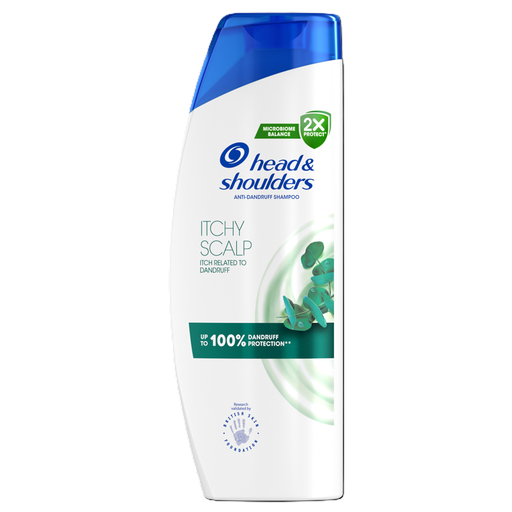
Why This Fits Their Persona: Ideal for individuals seeking a reliable and fast-acting solution for acute itching and visible dandruff. The formula is specifically designed to relieve scalp irritation.
This shampoo clearly focuses on scalp health (avoids Trap 3) and relies on the proven active ingredient Piroctone Olamine instead of vague natural claims (avoids Trap 2).
Contains Piroctone Olamine to combat the cause of dandruff and Menthol for an immediate cooling and soothing effect on the scalp.
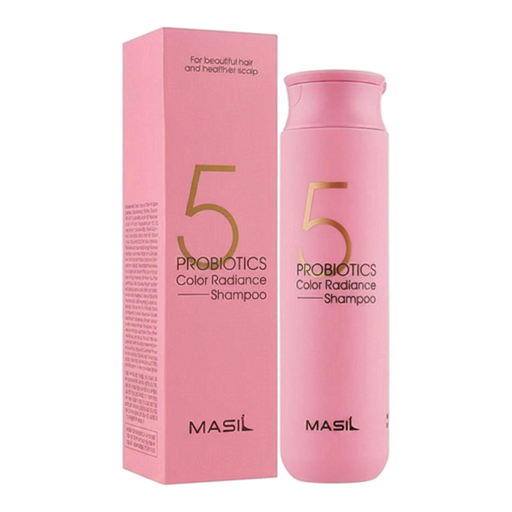
Why This Fits Their Persona: Perfect for users with coloured or bleached hair who want to minimise colour fading while also caring for a scalp stressed by chemical treatments.
This is a highly specialised product, not an 'all-in-one' shampoo (avoids Trap 1). Its effectiveness is based on its pH level and sulfate-free formula, not empty promises (avoids Trap 2).
The sulfate-free formula with a pH of 5.0-6.0 seals the cuticle and protects colour pigments. Lactobacillus Ferment helps balance the scalp's microbiome.
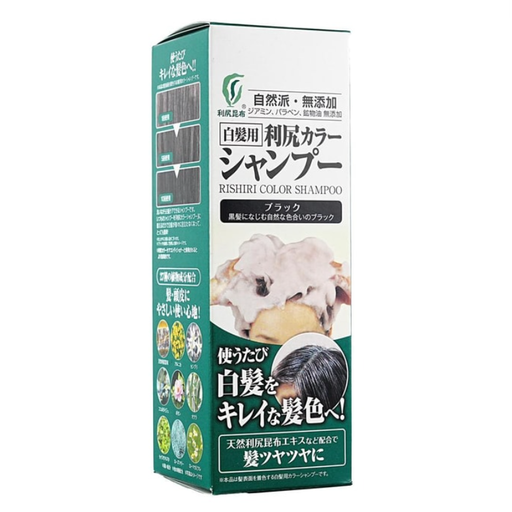
Why This Fits Their Persona: For those looking for a gentle alternative to permanent hair colour. This toning shampoo gradually covers grey hair with each wash, without harsh chemicals.
It's a niche product with a clear function (avoids Trap 1) and is free from ingredients like diamine dyes, parabens, and silicones, which increases transparency (avoids Trap 2).
Allows for gradual, natural-looking colour blending without the harsh root line of permanent dye. The formula with Rishiri Kelp extract also provides moisture.
We've compiled a full, up-to-date list of products that fully meet these strict selection criteria and comply with German regulations.
1. How often should I use a specialty shampoo? The frequency of use depends on the type of shampoo and your individual needs. An anti-dandruff shampoo can be used daily at first, and later 2-3 times a week for prevention. A shampoo for coloured hair is designed for daily use. Toning or purple shampoos are typically used 1-2 times a week to maintain the desired shade. Always follow the instructions on the product.
2. Can I alternate between different specialty shampoos? Yes, this can be very beneficial. This method, also known as "hair cycling," allows you to address different needs. For example, you could alternate a repair shampoo for your lengths with a clarifying shampoo for your scalp, or use a moisturising shampoo in rotation with a volumising one.
3. What does "sulfate-free" mean, and is it always the better choice? Sulfates are salts of sulfuric acid and act as powerful, foaming cleansing agents (surfactants). They effectively remove dirt and sebum. For people with very oily scalps or no particular sensitivity, they are often unproblematic. However, for those with a sensitive scalp, dry, or coloured hair, they can be too drying and irritating. In these cases, a sulfate-free shampoo based on milder surfactants is a gentler and therefore often better choice.