
Lieferung heute & morgen

Qualitätsgarantie

Willkommens-Angebote freischalten: KOSTENLOSE Lieferung | Bis zu 80 % RABATT | Kostenlose 30-Tage-JoyPlus-Testphase
App herunterladen
Anyone looking to buy a speed cube is often faced with an overwhelming selection. The market is filled with models advertised with technical jargon and performance claims. But not every expensive model is right for everyone, and some budget-friendly options quickly become a source of frustration. As your Joybuy Product Recommendation Officer, I'll help you identify the important features and avoid common buying traps.
This guide focuses on the objective criteria that define a good cube, showing you what to look for to make an informed decision—whether you're a beginner, an ambitious speedcuber, or a collector.
Before we dive into the technical details, it's important to know the most common issues that can lead to a bad purchase.
To avoid these pitfalls, you should focus on three fundamental characteristics. These largely determine a cube's performance, durability, and overall solving experience.
A speed cube's internal design is crucial for its turning feel. The most important distinction here is between magnetic and non-magnetic models.
The design of the coloured faces directly impacts durability and visual recognition.
Choosing the right size and shape depends entirely on your experience level and goals.
Based on the criteria above, we have selected a few models from our range that are particularly well-suited for specific user groups.
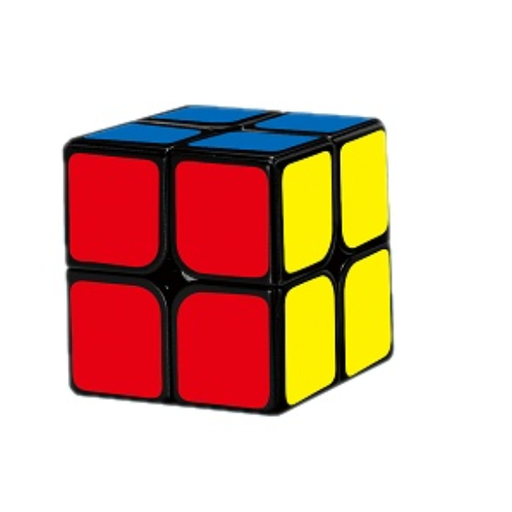
Why This Fits Their Persona: The simple 2x2x2 structure is ideal for learning the fundamentals of cube logic without being overwhelming. It's an excellent first step into the world of puzzle cubes.
This model skips expensive, complex pro features and focuses on a smooth mechanism optimised for beginners.
Its straightforward design helps build an understanding of how twisty puzzles work. The compact size makes it easy to handle and portable.

Why This Fits Their Persona: Anyone looking to actively improve their solve times will benefit from the magnetic feedback and high stability. This cube offers performance features valued in the speedcubing community.
The magnetic system provides a real, tangible performance advantage. The stickerless design permanently solves the problem of sticker wear.
The magnetic positioning system ensures precise and stable turns. Its lightweight build and optimised design reduce lockups.
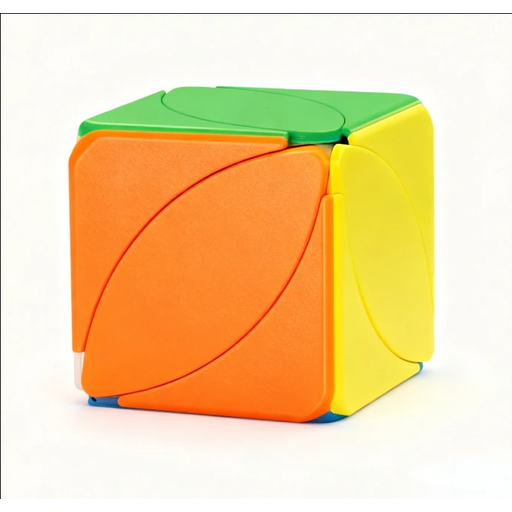
Why This Fits Their Persona: This shape-modding puzzle breaks from the traditional cube form, presenting an entirely new logical challenge. It's not just about sorting colours but also restoring the original shape.
This puzzle doesn't compete on speed but on its uniqueness. Its value lies in the novel challenge it offers for spatial reasoning, not in milliseconds.
Offers a unique shape-shifting challenge. The stickerless design ensures durability, making it an attractive collector's item.
We've compiled a complete, up-to-date list of products that fully meet these strict selection criteria and rigorous safety standards.
Proper care is simple but essential for a long lifespan and a good turning feel. Regularly wipe the surface with a soft, dry cloth to remove dust and grime. Avoid moisture and harsh cleaning agents. To keep the mechanism smooth, occasional application of specialised speed cube lubricant is recommended. Store the cube in a clean, dry place.
A magnetic speed cube contains small magnets in the edge and corner pieces. These ensure that the layers snap gently and precisely into place after a turn. This gives the cube more stability and control, prevents accidental over-turning, and makes the overall solving experience smoother. This is a noticeable advantage, especially at high speeds.
For starting out, a 2x2 cube for beginners is a very good choice, as it makes the basic principles easy to understand. Alternatively, a solid 3x3 speed cube with a smooth, forgiving mechanism is also an excellent option. Many tutorials and guides are based on the 3x3 cube, which simplifies the learning process. An expensive pro model with many adjustment options is not necessary to begin with.