
Lieferung heute & morgen

Qualitätsgarantie

Willkommens-Angebote freischalten: KOSTENLOSE Lieferung | Bis zu 80 % RABATT | Kostenlose 30-Tage-JoyPlus-Testphase
App herunterladen
As a Joybuy Product Recommendation Officer, I'm here to help you navigate the complex world of tech specs. This post focuses on selecting a suitable external SSD for the iPhone 15 Pro, especially for recording high-resolution video. The dreaded "Storage Almost Full" notification during a crucial shoot is a well-known problem for many content creators. An external SSD solves this by enabling direct video storage, freeing up your iPhone's internal memory.
Choosing the right storage medium depends on specific technical requirements. Here are the key criteria to consider when making your decision.
For direct recording of Apple ProRes video in 4K at 60 frames per second (fps), a sustained high write speed is essential. The iPhone 15 Pro features a USB-C port that supports the USB 3.2 Gen 2 standard, offering speeds up to 10 Gbps. A fast portable SSD should guarantee a sustained write speed of at least 220 MB/s to prevent stuttering or dropped frames. Models with the USB 3.2 Gen 2x2 specification offer even higher transfer rates of up to 20 Gbps, which significantly accelerates data transfer to a compatible computer, even though the iPhone itself is limited to 10 Gbps.
Anyone who frequently films outdoors or in various locations needs a robust and portable storage solution. A MagSafe SSD can be magnetically attached to the back of the iPhone 15 Pro, creating a compact, unobtrusive unit during recording. Additionally, an IP rating is relevant. A rugged external drive with IP65 protection is dust-tight and protected against water jets from any angle, making it a reliable companion in adverse weather conditions.
ProRes files are very large. A single minute of 4K ProRes video can take up several gigabytes of space. A storage expansion for the iPhone should therefore offer ample capacity. 1 TB is a great starting point for most ambitious projects. For professional users working on longer sessions or multiple projects simultaneously, a capacity of 2 TB or more is a worthwhile investment.
Based on the criteria above, we have compiled a selection of models suitable as an external SSD for video recording with the iPhone 15 Pro.
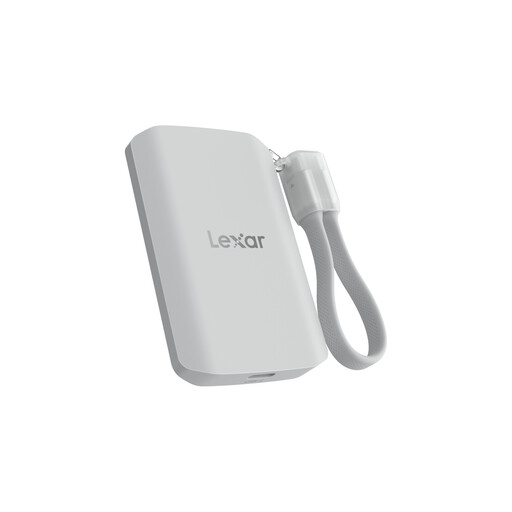
Why It Stands Out: The Lexar ES5 combines very high transfer speeds with a rugged build and MagSafe compatibility. It is specifically designed for demanding mobile workflows where both speed and durability are paramount.
Advantages:
Who Is It For? This model is aimed at professional videographers and content creators who need an extremely fast and durable storage solution for outdoor use and who appreciate the benefits of magnetic attachment.
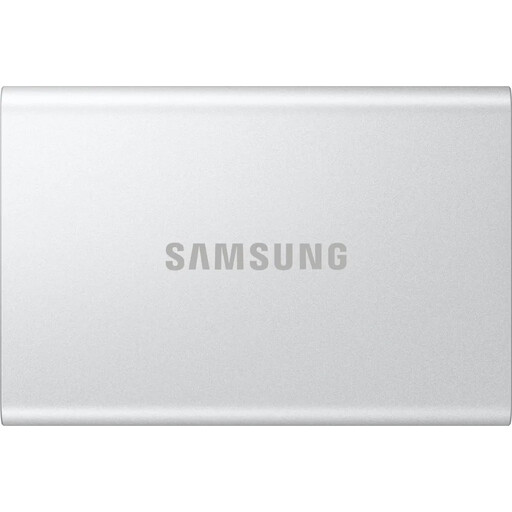
Why It Stands Out: Samsung's T7 series is known for its reliability and compact design. The "Resurrected" version features a housing made of 100% recycled aluminum and offers solid performance for everyday use.
Advantages:
Who Is It For? Ideal for users looking for a proven, secure, and ultra-compact SSD for transporting data between different devices. A separate magnetic mount or rig is required for attachment to the iPhone.
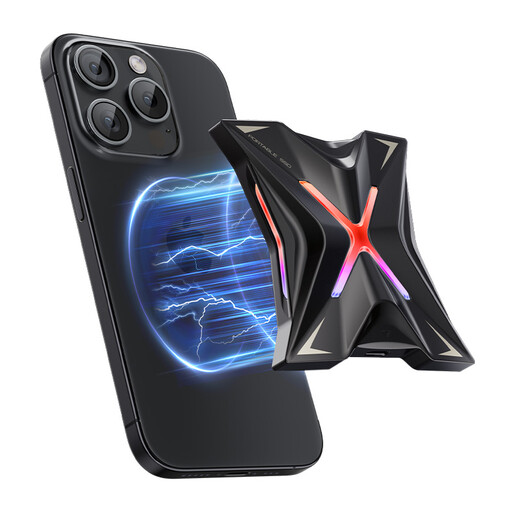
Why It Stands Out: This model from MOVESPEED is specifically designed for iPhone users, combining a very high read speed with an integrated magnetic design for seamless attachment.
Advantages:
Who Is It For? An excellent choice for iPhone videographers who want a straightforward and powerful all-in-one solution with magnetic attachment for direct video recording.
If the models presented here don't exactly meet your needs, you can find a wider selection of solutions for various use cases and budgets in our portable data storage category.
Yes, the iPhone 15 Pro and iPhone 15 Pro Max support direct video recording to an external storage device via the USB-C port. This feature is especially intended for the storage-intensive Apple ProRes format.
For stable recording of Apple ProRes in 4K resolution at 60 fps, a sustained write speed of at least 220 MB/s is recommended. All the SSDs presented here significantly exceed this requirement, thus offering plenty of performance headroom.
Functionality depends on the case. With a MagSafe-compatible case, the magnetic adhesion is usually strong enough. However, with thicker cases that do not have their own magnets, the adhesive force may be greatly reduced or non-existent.