
Lieferung heute & morgen

Qualitätsgarantie

Willkommens-Angebote freischalten: KOSTENLOSE Lieferung | Bis zu 80 % RABATT | Kostenlose 30-Tage-JoyPlus-Testphase
App herunterladen
As an alternative to classic durum wheat pasta, spelt pasta is steadily gaining popularity. It appeals to health-conscious consumers, families, and anyone looking for culinary variety. However, the growing range of spelt pasta in different shapes—from spelt spaghetti to spelt sp?tzle—can make choosing the right one feel overwhelming.
This guide is here to help. We'll outline objective criteria to inform your purchasing decision and present a selection of products with diverse features to simplify your search for the perfect pasta made from spelt.
To find the spelt pasta that best suits your needs, a few key product features can serve as a helpful guide.
The foundation of any spelt pasta is the flour used, which is available in various milling grades.
The choice depends on your personal preference: are you looking for a fiber-rich, flavourful pasta or a mild alternative to wheat?
The ingredient list reveals the pasta's composition and its suitability for different dietary needs.
For consumers who value organic farming, quality seals offer a reliable point of reference.
Here is a selection of products that cater to different needs and preferences.
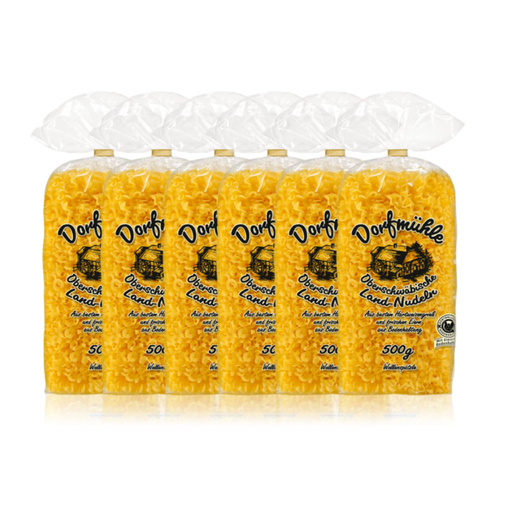
Why It Stands Out These 'Wellensp?tzle' from Dorfmühle combine the traditional Swabian pasta shape with the qualities of spelt. The addition of 18% fresh egg ensures an authentic flavour and good cooking stability, making them a solid accompaniment to classic dishes.
Pros
Best For Ideal for fans of traditional German cuisine who are looking for a spelt alternative to classic egg noodles and enjoy preparing hearty dishes.
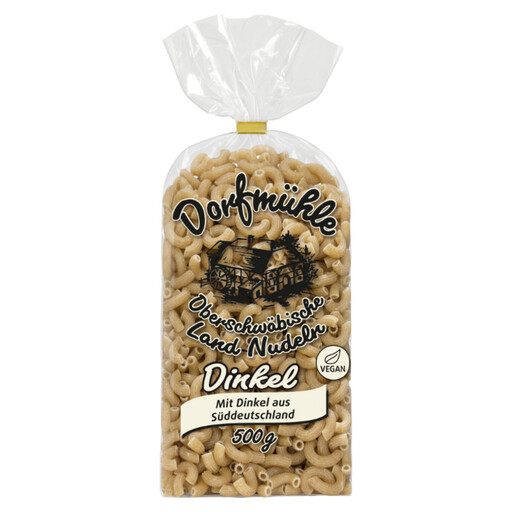
Why It Stands Out Dorfmühle's spelt macaroni is a prime example of vegan pasta made from pure spelt semolina. Produced without eggs, it offers great versatility for a wide range of dishes and dietary styles. According to the manufacturer, the fiber content is 5.7 g per 100 g.
Pros
Best For An excellent choice for vegans, families, and anyone looking for a simple, egg-free spelt pasta for everyday use, whether for quick meals or creative casseroles.
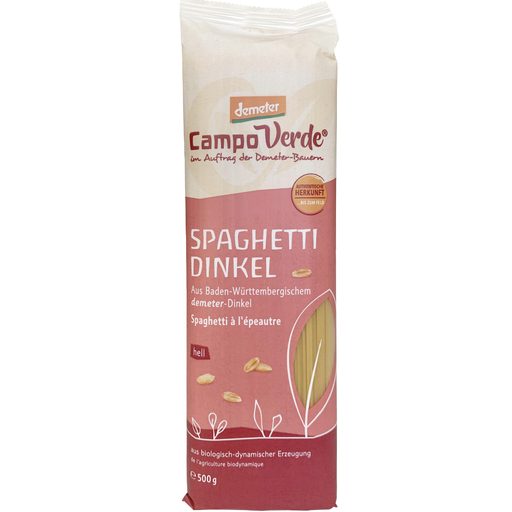
Why It Stands Out This spelt spaghetti from Campo Verde stands out due to its dual certification: it's not only organic spelt pasta but also carries the Demeter seal. Made from white spelt flour (Type 630), it offers a mild, nutty flavour in the popular spaghetti shape.
Pros
Best For Perfect for consumers who place the highest value on organic and biodynamic standards and are looking for a high-quality, certified base for their pasta dishes.
The world of spelt products is diverse and offers more than just pasta. If you're curious about other alternatives or looking for different pasta shapes, you'll find a wider selection in our broader category.
Explore our entire range of spelt food products here
Spelt pasta is made from spelt, an ancient type of wheat, while conventional pasta is usually made from durum wheat. In terms of taste, spelt pasta often has a slightly nutty, richer flavour. Its nutritional profile can also differ; spelt products frequently have a slightly higher protein and fiber content. Many people also find spelt easier to digest, although this is a subjective experience.
No, spelt pasta is not gluten-free. Spelt is an ancient form of wheat and contains gluten. Therefore, individuals with celiac disease or gluten intolerance must avoid spelt products and opt for gluten-free alternatives such as pasta made from corn, rice, or legumes.
Spelt pasta is cooked just like conventional pasta: in plenty of boiling, salted water. The cooking time can vary depending on the type and thickness of the pasta and is often slightly shorter than for durum wheat pasta. It's best to follow the cooking time indicated on the package and test the pasta occasionally to achieve the desired 'al dente' texture. Since it continues to cook slightly after being drained, it should not be overcooked.