
Lieferung heute & morgen

Qualitätsgarantie

Willkommens-Angebote freischalten: KOSTENLOSE Lieferung | Bis zu 80 % RABATT | Kostenlose 30-Tage-JoyPlus-Testphase
App herunterladen
As a Joybuy Product Recommendation Officer, I keep a close watch on the food market. Spelt products are enjoying a surge in popularity among consumers who value a varied diet or are looking for alternatives to conventional wheat. The selection is diverse, ranging from different types of flour and convenient baking mixes to ready-to-eat bread.
This guide is designed to help you understand the different spelt products available and make an informed decision that suits your needs—whether you're a seasoned home baker or simply seeking a quick and convenient option for your daily routine.
Choosing the right product largely depends on your intended use and personal preferences. Here are some objective criteria to guide you.
Your decision between flour, a baking mix, or ready-made bread will determine the effort involved and the final result.
For many consumers, the origin and processing of raw materials are crucial.
Based on the criteria above, we have curated a selection of products that cater to different needs and applications.
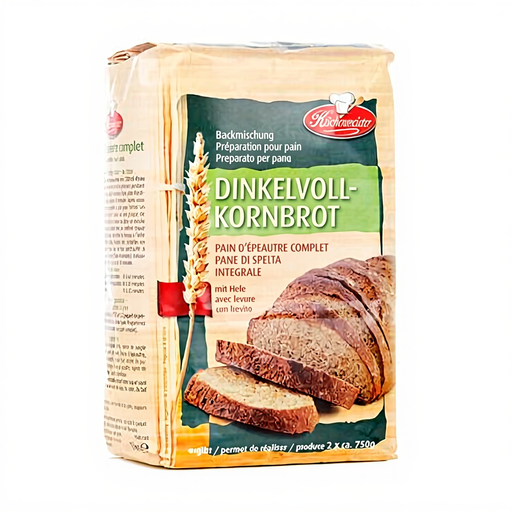
Why It Stands Out This baking mix combines a high proportion of whole-grain spelt flour (90%) with dried spelt sourdough. The formula is designed to produce a rustic loaf with a moist crumb and an aromatic crust. Preparation is straightforward and requires only the addition of water, making it suitable for both hand-baking and bread machines.
Key Features
Best For Home bakers who love the aroma of fresh bread but prefer a time-saving and foolproof solution for their busy lifestyle.
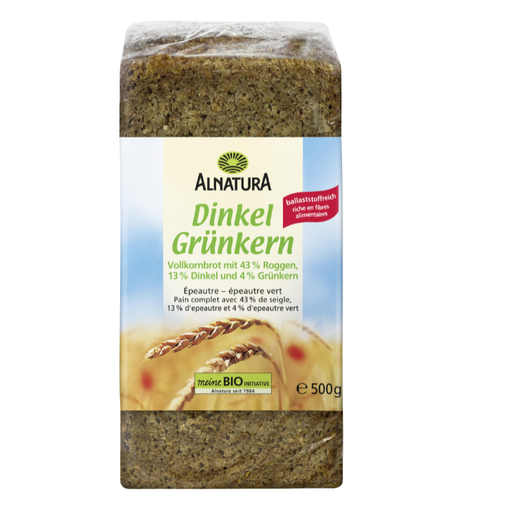
Why It Stands Out This ready-sliced bread from Alnatura is a practical option for daily needs. It is made with ingredients from organic farming and combines spelt with rye and green spelt, which ensures a moist consistency and a full-bodied flavour. As a vegan and lactose-free product, it also caters to specific dietary requirements.
Key Features
Best For Anyone looking for a quick, high-quality, and ready-to-eat bread option for a healthy diet incorporating spelt and who values organic quality.
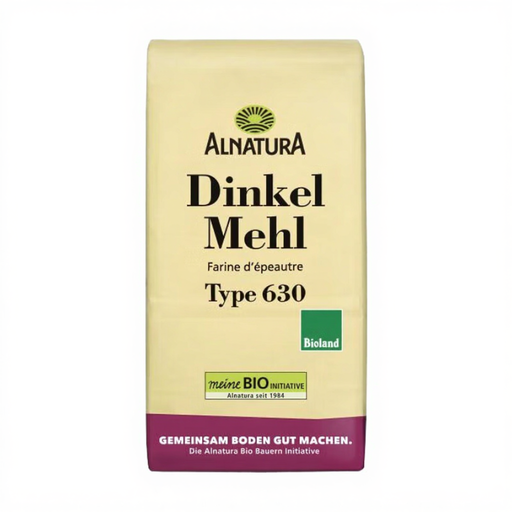
Why It Stands Out This fine spelt flour (Type 630) comes from German Bioland farms, which adhere to standards that exceed the EU's organic requirements. It is highly versatile and serves as an excellent alternative to light wheat flour for cakes, pastries, light breads, and shortcrust doughs. Its mild, slightly nutty flavour makes it a popular staple in the home bakery.
Key Features
Best For Passionate bakers who want full control over their recipes and are looking for a high-quality, organic base flour for a wide variety of baked goods.
The products featured here represent just a fraction of what's available. If you'd like to explore other flour types, specialty baking mixes, or different ready-made spelt breads, you can find more choices in our broader product category.
Explore Our Entire Spelt Assortment
Spelt and wheat are closely related. Spelt has a slightly different nutrient profile and is perceived as more digestible by some people. However, this is subjective and cannot be generalised. Both grains contain gluten. A varied diet that includes different types of grains can be beneficial.
The type designation (e.g., 630, 1050) indicates the mineral content of the flour in milligrams per 100 grams. A Type 630 flour is lighter and contains fewer bran particles than a Type 1050 flour. Whole-grain spelt flour does not have a type number because the entire kernel is milled, meaning it contains all of its natural minerals.
In many recipes, a 1:1 substitution is possible, especially when using Type 630 spelt flour in place of Type 405 or 550 wheat flour. However, keep in mind that spelt has a different gluten structure. Spelt doughs should generally be kneaded for a shorter time and more gently, as they can otherwise lose their structure and become sticky. You may also need to slightly adjust the amount of liquid in the recipe.