
Lieferung heute & morgen

Qualitätsgarantie

Willkommens-Angebote freischalten: KOSTENLOSE Lieferung | Bis zu 80 % RABATT | Kostenlose 30-Tage-JoyPlus-Testphase
App herunterladen
An SPF 30 face sunscreen should protect you day to day, feel comfortable on your skin and work well with the rest of your skincare or make-up. But bold marketing claims don’t always help you choose the right product. What matters is the information on the packaging and product page: SPF, UVA labelling, texture, filter type, skin compatibility and how you plan to use it.
SPF mainly describes protection against UVB rays. For broad-spectrum UVA and UVB protection, check that the product also carries a UVA label, such as the UVA symbol in a circle or a stated PA rating. No sunscreen blocks all radiation. Protective clothing, shade and avoiding the strongest midday sun are still sensible precautions.
A face sun fluid may spread in a thin layer, while a cream can feel more nourishing. If you have oily or blemish-prone skin, look for claims such as oil-free, non-comedogenic or non-greasy. If your skin is dry, you may prefer a richer texture with glycerin, plant oils or other conditioning ingredients. However, how well your skin tolerates a product depends on the formula as a whole.
“Water-resistant” doesn’t mean that protection stays the same after swimming, heavy sweating or towel-drying. You’ll still need to reapply water-resistant sunscreen. The features you need in a face sunscreen for your daily commute may be different from those you’d want for sport, a day at the beach or a longer hike.
SPF 30 is a popular choice for many everyday situations. If you have very fair, sun-sensitive skin, are in strong sunshine or will be outdoors for longer, SPF 50 for face may be a better option. A higher SPF doesn’t mean you can apply less or reapply less often.
Check for:
A mineral sunscreen uses UV filters such as zinc oxide or titanium dioxide. These products may appeal if you prefer mineral formulas. Depending on the formulation, however, they may leave a white cast, feel thicker or have a different finish.
Organic, or chemical, filters are often used in lightweight fluids. They can feel light on the skin and layer well, but it’s worth checking for any personal sensitivities and reviewing the full INCI list. If you have sensitive skin, try the product on a small area first. Fragrance, essential oils or certain preservatives may be relevant for some people.
Fast-absorbing fluids and light creams often work well as sun protection under make-up. A matte finish may feel more comfortable if your skin gets shiny, while a radiant finish can give you the cosmetic effect you’re after. Make sure the product is suitable not just for your face, but also for your neck and décolletage.
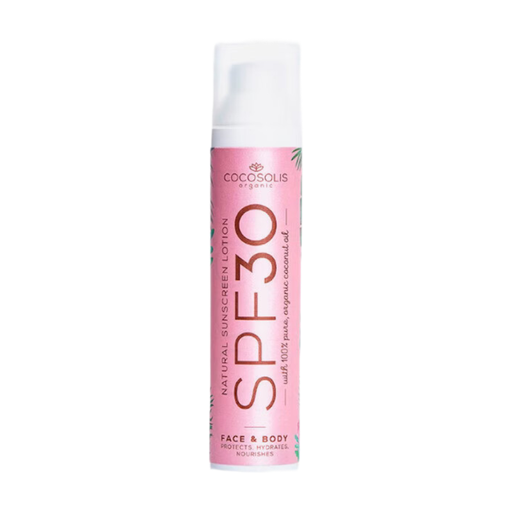
Why it suits this profile: According to the product description, this SPF 30 lotion is suitable for the face and body. Its 100 ml size makes it a versatile option.
The product information explicitly states that it provides UVA and UVB protection and can be used on the face and body. This makes it easier to understand where you can use it before you buy.
SPF 30, 100 ml and, according to the product description, certified organic ingredients. Non-nano zinc oxide is listed as the UV filter.
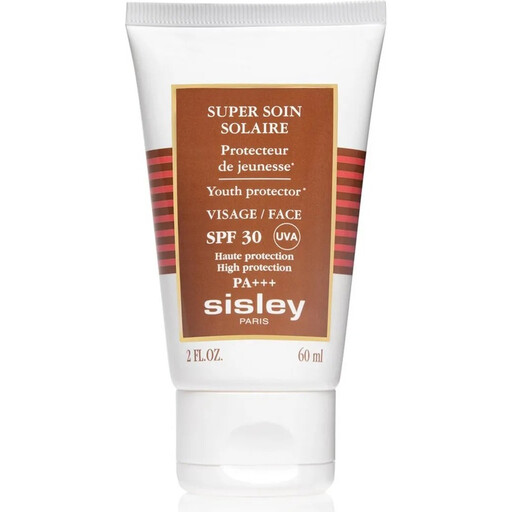
Why it suits this profile: According to the product description, this face sunscreen combines SPF 30 and PA+++ with a non-greasy texture and a velvety finish.
As well as SPF, the product information lists PA+++ and specific skincare ingredients such as glycerin, shea butter and camellia oil. That makes it easier to compare the product on more than marketing claims alone.
60 ml, SPF 30 and PA+++; the product description also states that it absorbs quickly without leaving visible white residue.
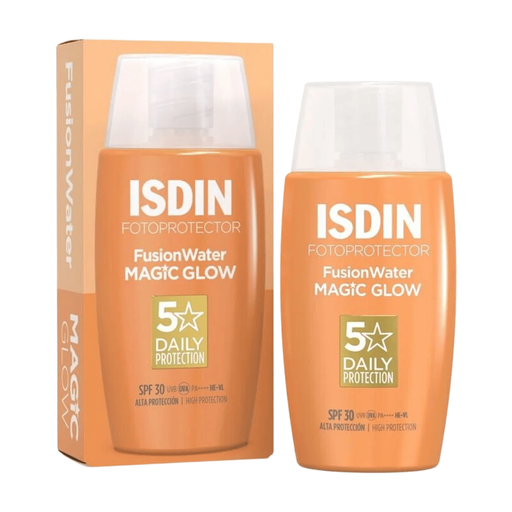
Why it suits this profile: According to the product description, this water-based face sunscreen is designed for everyday use, sport and leisure, and leaves a radiant finish.
The product description says it is water- and sweat-resistant, with an oil-free, non-comedogenic formula. You’ll still need to reapply after towel-drying.
SPF 30, a water-based texture and an oil-free formula, plus panthenol and vitamin E according to the product description.
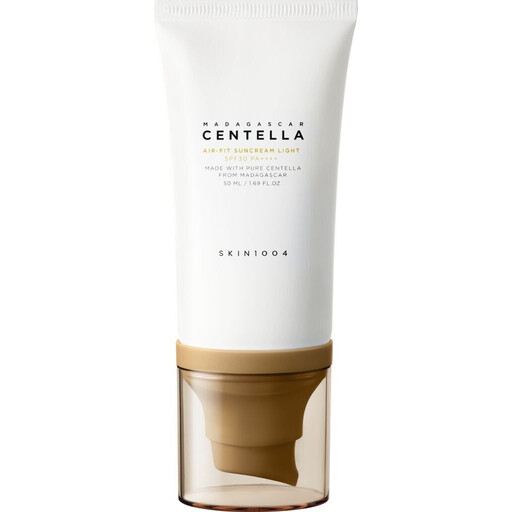
Why it suits this profile: If you’re looking for a higher SPF than 30, this product offers SPF 50+ PA++++ and a mineral filter with zinc oxide, according to the product description.
The product information specifies both the filter type and PA rating. That tells you more than a general claim such as “strong protection”.
SPF 50+ PA++++, a mineral filter with zinc oxide and 50 ml; Centella asiatica extract is listed in the INCI ingredients.
We’ve put together a complete, regularly updated list of products that meet these strict selection criteria and fully comply with the safety regulations in force in the EU.
SPF 30 may be suitable for everyday journeys, time in the office and shorter periods outdoors. SPF 50 may be a better choice if you have very fair skin, are in strong sunshine or will be doing outdoor activities for longer. UVA labelling, applying enough product and reapplying regularly are also important.
Check the PAO symbol on the packaging, the best-before date and the manufacturer’s instructions. Heat, direct sunlight and opening the product frequently can affect its quality. If the colour changes, it develops an unusual smell or the texture separates, stop using it.
A face sun fluid or lightweight sunscreen is often easier to layer under make-up than a rich lotion. Let your skincare absorb first, then apply make-up without rubbing the sun protection too much. If the products pill, the order of application, the amount used or the combination of formulas may be the cause.