
Lieferung heute & morgen

Qualitätsgarantie

Willkommens-Angebote freischalten: KOSTENLOSE Lieferung | Bis zu 80 % RABATT | Kostenlose 30-Tage-JoyPlus-Testphase
App herunterladen
SPF 30 sun cream can be a good choice for many everyday situations, provided you apply enough and reapply regularly. But the number on the packaging isn’t the only thing to consider when choosing a product. Its texture, UVA protection, skin compatibility and intended use all play a part in whether you’ll actually use it day to day.
The sun protection factor mainly indicates protection against UVB rays, which are associated with sunburn, among other things. For everyday use, you should also look for clearly stated UVA protection. A UVA symbol in a circle or a claim of broad-spectrum protection can help you identify this.
No sun protection product blocks all UV radiation. It’s still sensible to avoid prolonged exposure to the midday sun, wear protective clothing and a hat, and seek shade.
Water-resistant sun cream may maintain its protective performance for longer when exposed to water or sweat than a formula without this claim. Even so, you should reapply after swimming, towelling off or sweating heavily. A towel removes some of the protective film from your skin.
A lightweight sun cream may spread easily, but it could contain alcohol, fragrance or certain UV filters that not all skin types tolerate equally well. If your skin is sensitive or prone to redness, check the full INCI list. Pay particular attention to fragrance allergens such as Limonene, Linalool and Citral.
SPF 30 offers a medium level of protection for many everyday situations. If you have very fair skin, are exposed to intense UV radiation, spend long periods outdoors or have increased sensitivity to light, SPF 50 sun protection may be a better choice. A higher factor still doesn’t replace regular reapplication.
Check for:
SPF 30 face sun cream is usually formulated to feel lighter and may offer features such as a non-comedogenic texture, a matte finish or a good base for make-up. Larger packs, sprays or sun lotions are often more practical for the body.
If you’re looking for one product for both, check the directions for use. A spray is quick to apply over the body, while a small, controlled amount is recommended for the face.
For dry skin, glycerin, hyaluronic acid, panthenol or nourishing oils may help give a product the texture you’re looking for. This describes the formulation and is not a claim of medical effectiveness. If you’re looking for sun cream for sensitive skin, fragrance, alcohol and known allergens are also worth considering.
Mineral filters such as zinc oxide can leave a visible film with some products. If you’re looking for sun cream that leaves no white cast, try the texture on a small area first. The result can also depend on your skin type, the amount you apply and how thoroughly you rub it in.
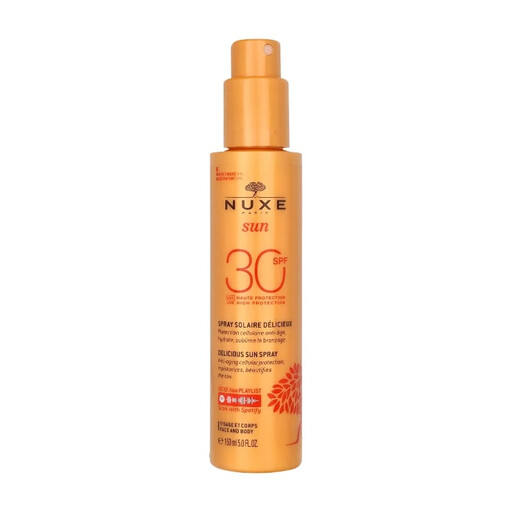
Why this product suits you: The 150 ml spray is practical for covering larger areas, including your arms, legs and torso. According to the product information, it is water-resistant and suitable for the face and body.
The directions for use specifically advise reapplying after swimming, sweating or towelling off. This helps make clear that “water-resistant” doesn’t mean lasting protection.
Spray format, 150 ml, UVA and UVB filters, and glycerin in the formula. Fragrance and alcohol are listed in the INCI.
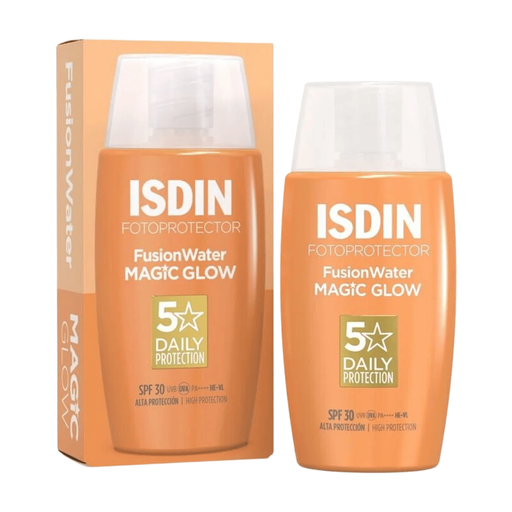
Why this product suits you: According to the product description, this water-based, oil-free formula is designed for daily use on the face and absorbs without leaving a greasy residue.
The product description states that it is water- and sweat-resistant, while also advising regular reapplication. This helps set realistic expectations for how to use it.
SPF 30, with UVA, UVB and blue light protection according to the supplier, plus panthenol and vitamin E. Described as hypoallergenic and non-comedogenic.
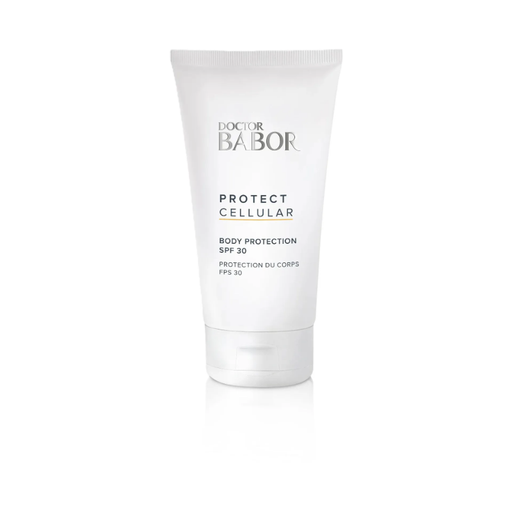
Why this product suits you: This lotion is designed for the whole body and is described in the product information as lightweight, fast-absorbing and suitable for sensitive skin.
Its clear designation as a body product helps you avoid relying on a small tube of face cream for larger areas of skin. This also makes it easier to work out how much you’ll need.
150 ml, lotion texture, glycerin, panthenol and several stated UV filters. The supplier says it has been dermatologically tested.
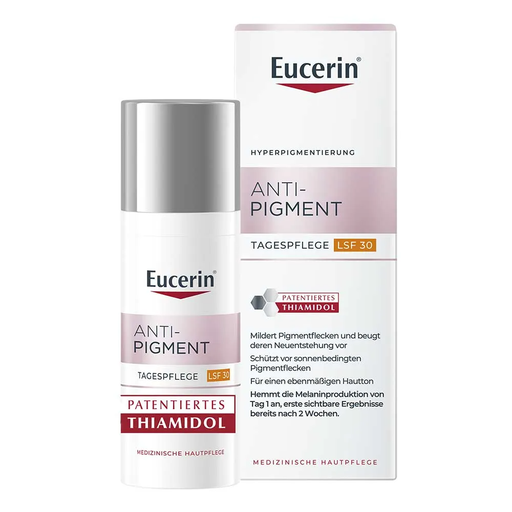
Why this product suits you: This day cream is designed for the face, neck and décolletage. It combines SPF 30 with a skincare approach focused on promoting a more even-looking complexion.
The product information clearly distinguishes between daily facial skincare and additional reapplication during prolonged sun exposure.
SPF 30, with UVA, UVB and blue light protection according to the supplier. Thiamidol is listed as a specialist ingredient; discontinue use if you experience an adverse reaction.
We’ve put together a complete, regularly updated list of products that meet these strict selection criteria and fully comply with the safety regulations in force in the EU.
SPF 30 can be suitable for many everyday situations. The right level of protection depends on factors including your skin type, how long you’re outside, UV intensity and your location. SPF 50 may be a better choice in intense sunshine or if you have very fair skin.
Reapplication is particularly important after exposure to water or sweat, and after towelling off. You should also reapply regularly if you’re spending a long time outdoors. Follow the specific advice on the packaging.
Check the best-before date and the symbol showing how long the product lasts after opening, such as “12M”. Changes in colour, smell or consistency may indicate that the product is no longer suitable for use. For reliable guidance, follow the information on the product packaging.