
Lieferung heute & morgen

Qualitätsgarantie

Willkommens-Angebote freischalten: KOSTENLOSE Lieferung | Bis zu 80 % RABATT | Kostenlose 30-Tage-JoyPlus-Testphase
App herunterladen
Reliable SPF 30 sun protection is a cornerstone of daily skincare, not just for summer holidays. However, the selection is vast, and many product claims are difficult to decipher. This often leads to purchases that don't suit your skin type or whose protective effects are disappointing in practice. Before you make a decision, it's crucial to understand the most common pitfalls that lead to unused products cluttering your bathroom cabinet.
The 3 Most Common Traps When Buying Sunscreen:
To avoid a purchase you'll regret, you should focus on objective criteria. These three parameters are decisive for the effectiveness and everyday usability of your sunscreen.
The Sun Protection Factor (SPF) indicates how much longer you can expose yourself to the sun with the product without getting a sunburn (caused by UVB rays) compared to without protection. An SPF 30 sunscreen filters out about 97% of UVB rays.
Protection against UVA rays is at least as important. These penetrate deeper into the skin and are primarily responsible for premature skin ageing (wrinkles, pigmentation spots) and can increase the risk of skin cancer. Therefore, always look for the UVA seal (a circle with "UVA" inside) on the packaging. It guarantees that the UVA protection is at least one-third of the stated SPF, ensuring balanced broad-spectrum protection. A good SPF 30 anti-ageing sun cream is always characterised by this broad-spectrum coverage.
The texture determines whether you will enjoy using a product and, consequently, apply it regularly.
Modern sunscreen products offer more than just UV protection. Those prone to dryness should look for a moisturising sun cream with ingredients like hyaluronic acid or glycerin.
For individuals with sensitive skin, a sunscreen for sensitive skin is advisable. Such products often omit fragrances, certain chemical filters, and alcohol. Mineral filters like zinc oxide or titanium dioxide are often a well-tolerated alternative here, though they can sometimes leave a slight white cast.
Instead of making a one-size-fits-all recommendation, we have identified products tailored to specific user profiles and their requirements.
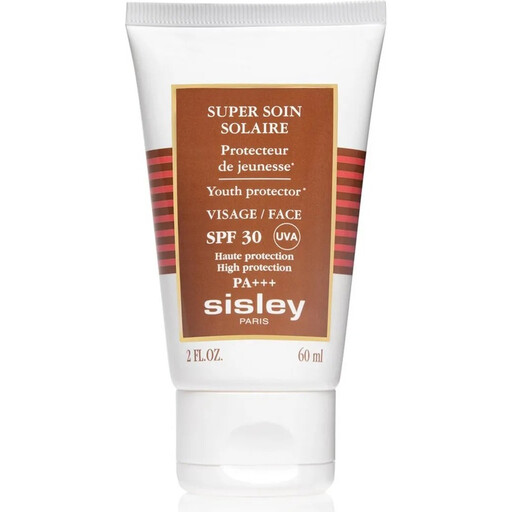
Why This Fits Their Persona: Ideal for users seeking a high-quality facial sunscreen that integrates seamlessly into their daily skincare routine. The lightweight texture also works well as a base under makeup.
Goes beyond a simple "anti-ageing" promise by combining reliable broad-spectrum protection with nourishing ingredients like Shea butter and Camellia oil that nourish and moisturise the skin.
Lightweight, non-greasy texture that absorbs quickly and leaves a velvety finish without a white cast. Provides UVA and UVB protection (PA+++).
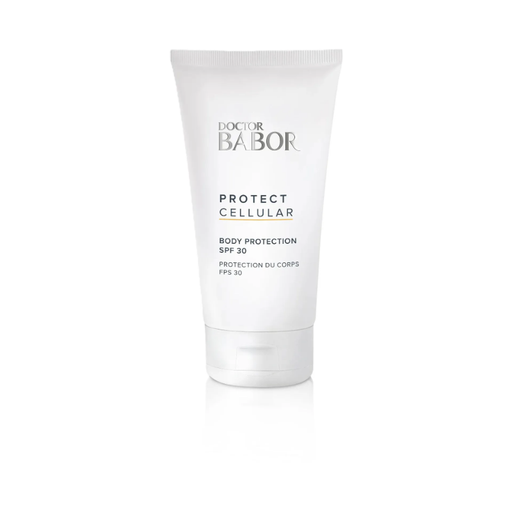
Why This Fits Their Persona: Suitable for individuals who need reliable sun protection for the entire body and value a formulation that is also suitable for sensitive skin.
Avoids the texture trap for sensitive skin by offering a lightweight, fast-absorbing lotion. This prevents the heavy or sticky feeling that can cause skin irritation with some body sunscreens.
Dermatologically confirmed suitability for sensitive skin. According to the manufacturer, it offers protection against UV rays, blue light, and environmental ageing.
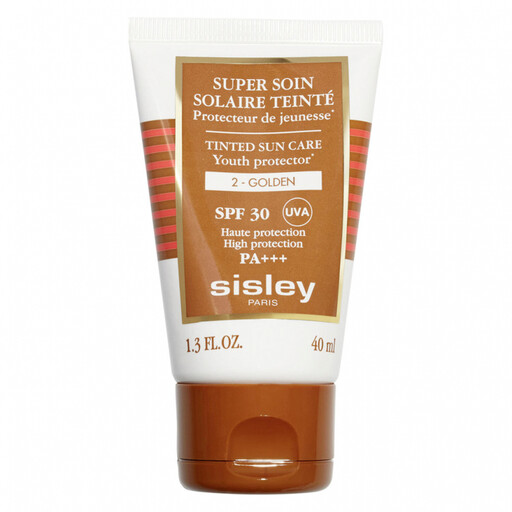
Why This Fits Their Persona: Perfect for anyone who wants to combine sun protection and a light foundation in one product. This tinted SPF 30 sun cream evens out the complexion for a fresh, natural look.
Many tinted products can feel heavy or mask-like. This formulation has a silky texture that absorbs quickly and gently evens out the complexion rather than covering it up.
Combines broad-spectrum protection with a light tint for an even complexion. The formula is enriched with moisturising ingredients.
We have compiled a complete, up-to-date list of products that fully meet these strict selection criteria and UK/EU regulations.
A common guideline for the face and neck is the two-finger rule: apply two strips of sunscreen to your index and middle fingers. This amount is generally sufficient. For the entire body of an average adult, an amount of about 30 to 40 millilitres is recommended, which is roughly the volume of a shot glass. Applying too little significantly reduces the level of protection.
Check the packaging for the open jar symbol (PAO - Period After Opening). The number inside (e.g., "12M") indicates how many months the product is good for after opening. Unopened, sunscreens usually have a shelf life of about 30 months. However, if the product has changed its colour, smell, or consistency, it should be discarded, as the effectiveness of the UV filters can no longer be guaranteed.
For most days and everyday activities in the UK, such as commuting or short periods outdoors, broad-spectrum SPF 30 provides adequate protection for most skin types. For prolonged and more intense sun exposure, such as on a summer holiday, during outdoor sports, or around midday, a higher sun protection factor (SPF 50+) and consistent reapplication every two hours are advisable.