
Lieferung heute & morgen

Qualitätsgarantie

Willkommens-Angebote freischalten: KOSTENLOSE Lieferung | Bis zu 80 % RABATT | Kostenlose 30-Tage-JoyPlus-Testphase
App herunterladen
SPF 30 sunscreen can be a suitable level of protection for many everyday situations in the UK – whether you’re commuting, gardening, going for a walk or travelling. But choosing the right one can be trickier than it seems. Terms such as ‘lightweight’, ‘anti-ageing sun protection’ or ‘water-resistant’ don’t automatically tell you whether a formula suits your skin type, where you plan to use it or your usual routine.
The sun protection factor mainly describes protection against UVB rays under specific test conditions. It doesn’t tell you on its own how comprehensive the UVA protection is. So look for clearly stated UVA protection, a UVA symbol or wording such as ‘UVA/UVB’.
SPF 30 won’t protect you from every level of UV exposure, either. Direct midday sun, spending a long time outdoors and not reapplying enough sunscreen are still important factors.
Water-resistant sunscreen may be more resistant to swimming or sweating, but its protection can still be reduced by water, friction, towelling and movement. The claim doesn’t mean you can apply less or skip reapplying.
A day cream with SPF 30, a BB cream or an SPF 30 face sunscreen may offer extra skincare or make-up benefits. In everyday use, though, people often apply less than they would of a dedicated sunscreen. So if you’ll be out in the sun for longer, apply a separate sunscreen generously.
Look for clear information about UVA and UVB protection. The SPF value alone isn’t enough to compare products. If your skin is sensitive or prone to pigmentation, stated UVA protection may be particularly important when choosing a product. Cosmetics can affect the appearance of your skin, but they’re no substitute for dermatological advice or treatment.
Lightweight fluids, emulsions or gel-creams are often more comfortable under make-up on the face. An SPF 30 sun lotion for face and body should spread easily over larger areas and feel comfortable on your skin.
Also consider:
How much protection you get depends greatly on how much you apply. A thin layer reduces the actual level of protection. Apply sunscreen evenly before going outside and reapply after swimming, sweating or towelling off. Check the best-before date, the period-after-opening symbol and the instructions on the packaging. If stored incorrectly, the product’s smell, colour or consistency may change.
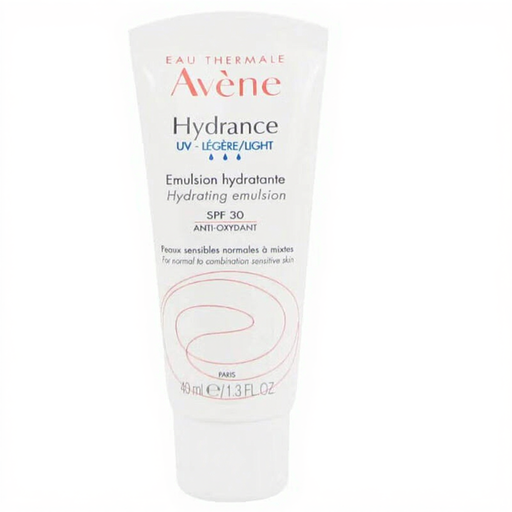
Why this product suits this profile: This 40 ml emulsion is designed for the face, neck and décolletage. It combines SPF 30 with a lightweight texture for your morning routine.
The product information specifies UVA/UVB protection, SPF 30 and a non-sticky texture. This makes it easier to choose based on specific features rather than general skincare claims.
A lightweight emulsion with a stated matte finish, described as suitable for normal, combination and sensitive skin.
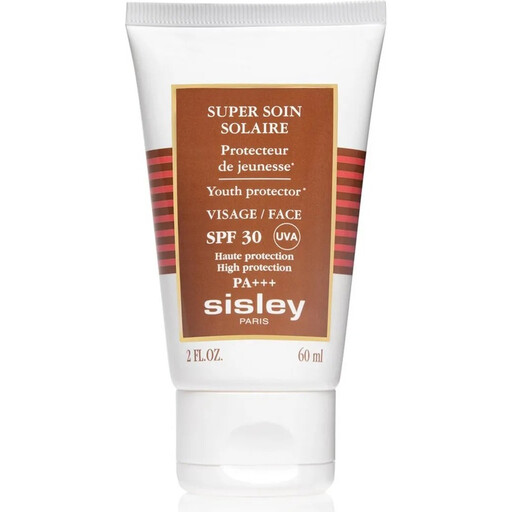
Why this product suits this profile: This SPF 30 face sunscreen comes in a 60 ml pack and, according to the product information, offers UVA/UVB protection with PA+++ and a velvety finish.
The stated INCI list and specific UVA/UVB information offer more useful guidance than a general anti-ageing claim. The ingredients include fragrance, which is worth bearing in mind if you have sensitive skin.
A 60 ml facial sunscreen with a texture described as non-greasy, plus nourishing ingredients such as glycerin, shea butter and camellia oil, according to the product details.
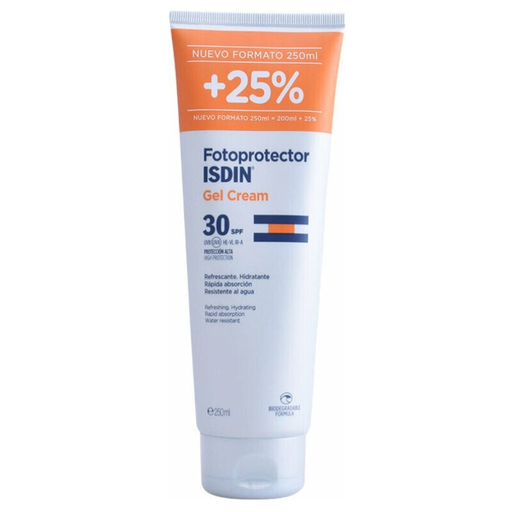
Why this product suits this profile: The 250 ml pack is designed for the face and body, making it a good option for regular use, travel or outdoor activities.
The product description specifically mentions quick absorption, a non-sticky gel-cream and use on several areas of the body. However, the INCI list includes fragrance and declared fragrance allergens.
A generous size, an oil-free formula according to the product information, and a gel-cream texture with instructions to reapply after contact with water or sweat.
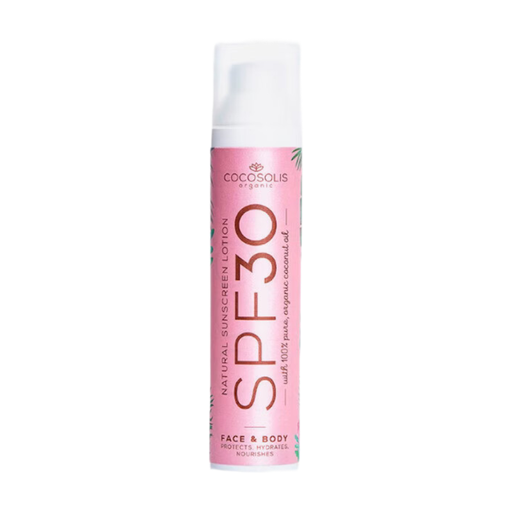
Why this product suits this profile: According to the product information, this lotion is designed for the face and body and contains a 20% non-nano zinc oxide filter.
The type of filter and the full ingredients list are provided. If you’re sensitive to fragrance, bear in mind that it contains the fragrance allergens Citral, Limonene and Linalool.
A 100 ml pack for use on the face and body, with protection against UVA and UVB rays according to the product description.
We’ve put together a complete, regularly updated list of products that meet these strict selection criteria and the safety regulations in force in the EU.
SPF 30 can be suitable for everyday use, as long as you apply enough product and reapply regularly. Stated UVA protection, your individual sensitivity to the sun and how long you’ll be exposed are also important. A higher protection factor may be a better choice in strong sunshine.
Check the PAO symbol on the packaging, for example ‘12M’, as well as the best-before date. Store the product somewhere cool and out of direct sunlight where possible. If its colour, smell or consistency changes, it’s best not to use the sunscreen.
Apply an even, generous amount to your face; you’ll need considerably more for your body. As a handy guide, many people use the two-finger rule for the face and neck. Always follow the manufacturer’s specific instructions. Applying a thin, sparing layer will give you less protection than the amount stated on the packaging.