
Lieferung heute & morgen

Qualitätsgarantie

Willkommens-Angebote freischalten: KOSTENLOSE Lieferung | Bis zu 80 % RABATT | Kostenlose 30-Tage-JoyPlus-Testphase
App herunterladen
SPF 30 sunscreen is suitable for many everyday situations in the UK, from your commute and walks to gardening or spending time outdoors. There’s a wide choice, from lightweight SPF 30 facial sunscreens to SPF 30 sun lotions for face and body. But the number on the packaging isn’t the only thing that matters. Texture, UVA protection, skin compatibility and correct application all affect whether you’ll actually use a product every day.
SPF 30 primarily describes protection against UVB radiation, based on the prescribed testing method. For balanced sun protection, the product should also offer UVA protection. Look for a UVA symbol in a circle or a clear statement that it protects against both UVA and UVB.
SPF 30 won’t protect you from every level of UV exposure. Direct midday sun, long periods outdoors and reflective surfaces such as water or snow can all increase your exposure. Clothing, a sun hat and shade are still important additions.
Water-resistant sun protection may stay on your skin for longer than products without this claim when you swim or sweat. However, this doesn’t mean the protection stays the same after swimming, drying yourself or sweating heavily. You’ll need to reapply after these activities.
A thin layer of SPF 30 sunscreen may offer considerably less protection than the amount used to test the product. Apply it generously and evenly. Use enough for your face, neck and décolletage; when applying body sunscreen, make sure all exposed skin is covered.
SPF 30 is the key measure of UVB protection. Also check whether the product states that it offers UVA protection. If you’re looking to fit sun protection into your daily skincare routine, claims about visible light or blue light may also be of interest when choosing an SPF 30 facial sunscreen. However, these additional claims shouldn’t be taken to mean the product offers complete protection against all environmental factors.
A sunscreen for face and body is handy for travelling, but depending on its formula, it may feel heavy on your face. Lightweight fluids, gel creams and emulsions are often easier to wear under make-up. Dry skin may benefit from a moisturiser with SPF 30, while an oil-free or mattifying texture may feel more comfortable on oily skin.
If you have sensitive skin, check the full INCI list. Fragrance, essential oils or certain preservatives may not suit everyone. A formula labelled “hypoallergenic” or “for sensitive skin” doesn’t guarantee that it will suit you personally. Try new products on a small area of skin first and follow the manufacturer’s instructions.
Claims about water and sweat resistance are important for sports, the beach and outdoor activities. A spray can make it easier to apply sunscreen to your body, but you still need to spread it evenly. Don’t spray products for the face directly into your eyes.
Follow these steps when applying sunscreen:
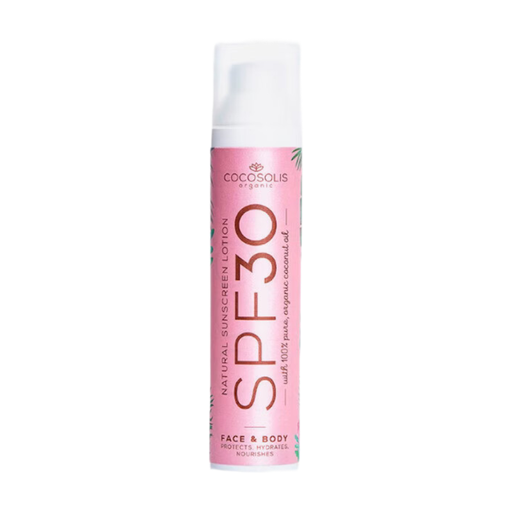
Why this product suits this profile: According to the product details, this lotion is suitable for face and body and contains certified organic ingredients. The 100 ml size is handy for everyday use and short trips.
The SPF 30 label and stated UVA and UVB protection make key selection criteria clear. Its suitability for face and body means you don’t need several different products.
100 ml, suitable for face and body, and Raspberry-Seed-Oil, according to the product description.
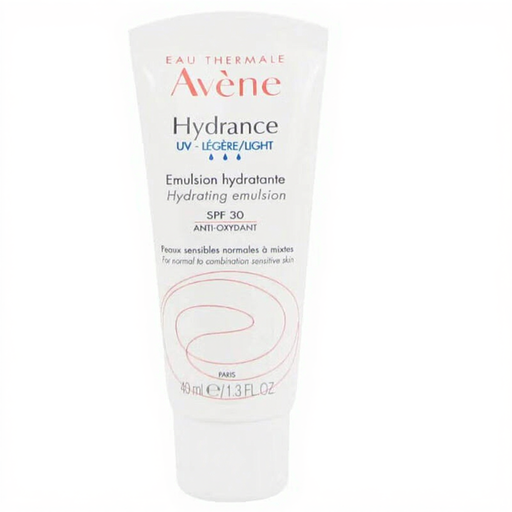
Why this product suits this profile: According to the product description, this emulsion is suitable for normal, combination and sensitive skin. Its lightweight SPF 30 formula is designed to work as a daily moisturiser and make-up base.
The product details state SPF 30, UVA/UVB protection, a non-comedogenic formula and a matte finish. This makes it easier to judge the texture and what the product is designed for.
40 ml, a lightweight emulsion, glycerin and Avène Thermal Spring Water, according to the manufacturer.
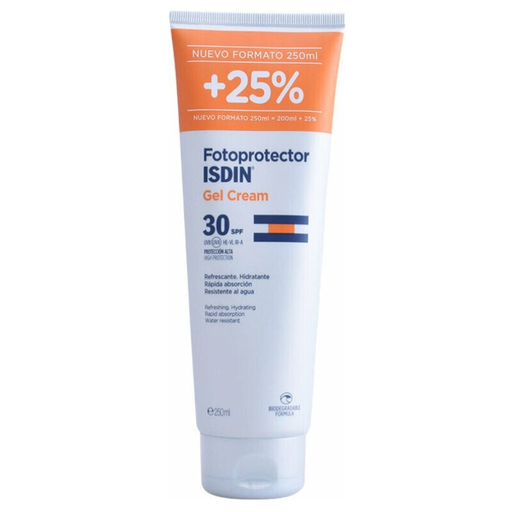
Why this product suits this profile: According to the product description, the 250 ml size and gel-cream texture are designed for use on the body, travelling and outdoor activities.
The product details specify SPF 30, an oil-free formula and a fast-absorbing, non-sticky gel cream. This makes it easier to choose based on texture rather than marketing claims.
250 ml, a gel-cream texture and suitable for face and body, according to the product description.
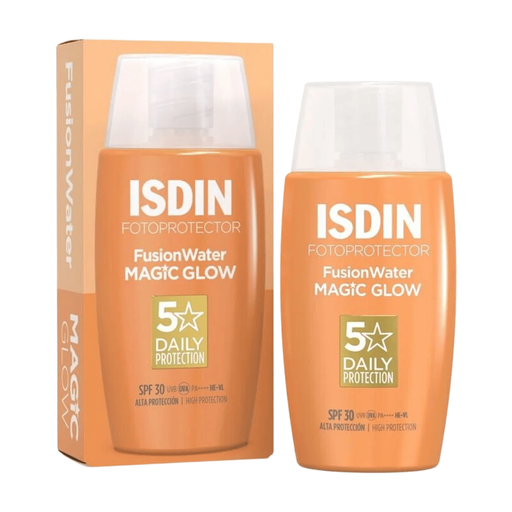
Why this product suits this profile: According to the product description, this water-based facial sunscreen is lightweight, oil-free and non-comedogenic. Its stated glow effect may appeal if you want to combine sun protection with a cosmetic finish.
The combination of SPF 30, UVA/UVB protection, a lightweight texture, and water and sweat resistance addresses common concerns such as a heavy feel on the skin or inconvenient application.
A water-based texture, panthenol and vitamin E, according to the product details; designed for the face.
We’ve put together a complete, regularly updated list of products that meet these strict selection criteria and fully comply with the safety regulations in force in the EU.
SPF 30 can be a suitable choice for many everyday situations, provided you apply enough and reapply regularly. If you have very fair skin, are exposed to intense UV radiation, spend long periods outdoors or have specific individual needs, a higher sun protection factor may be advisable. Always follow the instructions on the packaging.
Reapply after swimming, sweating or drying yourself. If you’re spending a long time in direct sunlight, you’ll need to reapply regularly. Reapplying doesn’t extend the safe time you can spend in the sun indefinitely. It helps maintain the intended level of protection after the product has rubbed off or been removed.
Lightweight fluids, emulsions and gel creams are often easier to apply under make-up than richer sun lotions. The best choice depends on the specific texture, how long it takes to absorb and the instructions on the packaging. Apply the required amount of sunscreen first and let it absorb briefly before applying any other skincare or make-up.