
Lieferung heute & morgen

Qualitätsgarantie

Willkommens-Angebote freischalten: KOSTENLOSE Lieferung | Bis zu 80 % RABATT | Kostenlose 30-Tage-JoyPlus-Testphase
App herunterladen
SPF 30 sunscreen should provide reliable protection from UV rays in everyday life, while also suiting your skin and how you plan to use it. Yet product claims can often lead to the wrong purchase: a lightweight texture isn’t automatically suitable for the body, “water-resistant” doesn’t mean lasting protection after swimming, and an SPF 30 face cream doesn’t remove the need to reapply when you’re outdoors.
This buying guide explains which details really matter and which products from Joybuy’s range suit different needs.
The SPF value mainly indicates protection against UVB rays, which are one of the causes of sunburn. For everyday protection against UVA and UVB rays, also check whether the product explicitly states that it offers UVA protection or displays a UVA symbol on the packaging. UVA rays can pass through light cloud and window glass, and contribute to sun-related skin changes.
SPF 30 is classed as a high level of protection under the European system, but it doesn’t provide complete protection. Shade, clothing, a sun hat and avoiding the strongest midday sun are still important.
Water-resistant sunscreen can maintain its protective performance for longer when exposed to water or sweat than a product without this claim. However, drying yourself with a towel can partly remove the protective layer. You’ll also need to reapply after sweating or spending a long time in the water.
A lightweight sun lotion or fluid may feel comfortable on the skin, but could still contain fragrance or alcohol. If you have sensitive or reactive skin, check the full INCI ingredient list and test new products on a small patch of skin first. A “hypoallergenic” claim doesn’t guarantee that a product will suit you personally.
Look for an explicit claim of UVA and UVB protection. Approved UV filters in European products are listed in the INCI ingredients. A higher SPF doesn’t replace a UVA claim. For your face, neck and décolletage, a product with a suitable cosmetic texture may be easier to apply regularly.
Face products usually come in smaller packs and are designed to sit discreetly under make-up. Body products often come in larger quantities and can be applied more quickly to your arms, legs and torso. A sunscreen for both face and body can be convenient if the texture feels comfortable on each area.
Applying too little product significantly reduces the level of protection claimed. Apply enough to your face and neck, and plan to reapply regularly if you’ll be outdoors for a long time. Always follow the manufacturer’s instructions on the packaging and product page.
If you want to wear sunscreen under make-up, look for a formula that spreads easily, feels minimally sticky and leaves an even finish. Glycerin, nourishing oils or butters may be worth considering if you have dry skin. Oil-free or mattifying textures are often preferred by people with combination or oily skin.
If you’re sensitive to fragrance, look out for ingredients such as “Parfum”, “Limonene”, “Linalool” or “Citronellol”. Formulas can change, so check the ingredients on the current packaging against the product description.
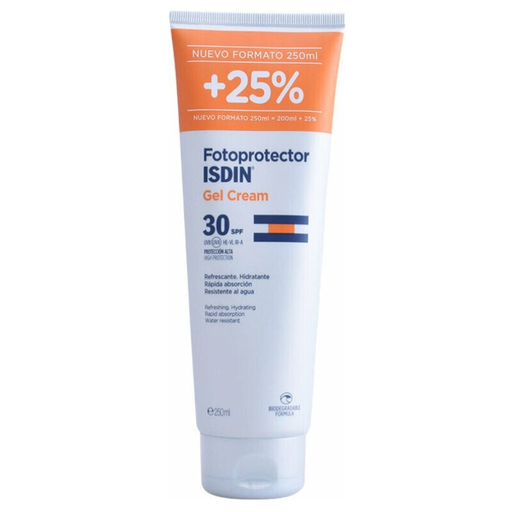
Why it suits this profile: The 250 ml tube is suitable for regular use on both face and body. According to the product description, the gel-cream texture is oil-free, absorbs quickly and is suitable for different skin types.
The larger size makes it less likely that you’ll use a small face cream sparingly on your body. The product information also describes it as non-greasy and non-sticky.
SPF 30, 250 ml, gel-cream texture and stated broad-spectrum UVA/UVB protection.
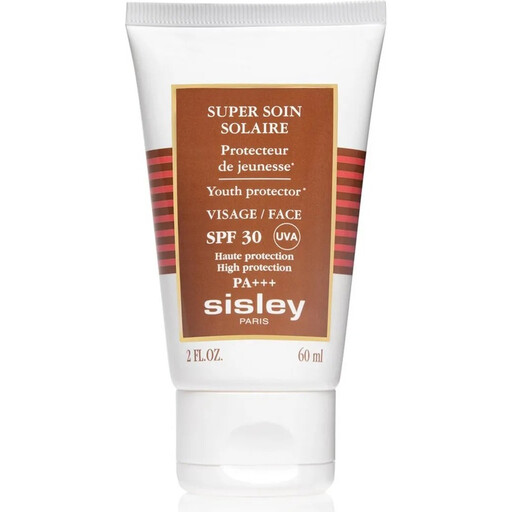
Why it suits this profile: The 60 ml face formula is designed for daily use. According to the product description, it offers SPF 30 and UVA/UVB protection, with a velvety finish and no visible residue.
It’s specifically designed for the face, so you won’t need to use a body lotion that may have a heavier texture under make-up.
Face sunscreen with SPF 30, PA+++ according to the product information, nourishing ingredients such as glycerin and shea butter, and a non-greasy texture.
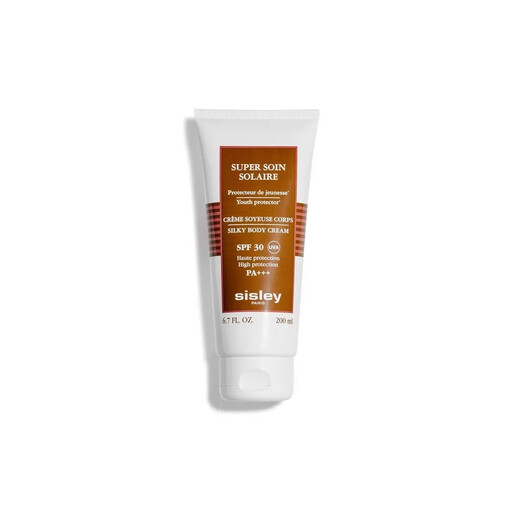
Why it suits this profile: The 200 ml body cream is designed for normal skin and application over larger areas. According to the product description, it is water-resistant and offers UVA and UVB protection.
The body-specific label and larger size make it easier to plan how much you’ll need for your arms, legs and torso.
SPF 30, 200 ml, stated water resistance, and a creamy texture with glycerin and nourishing oils.
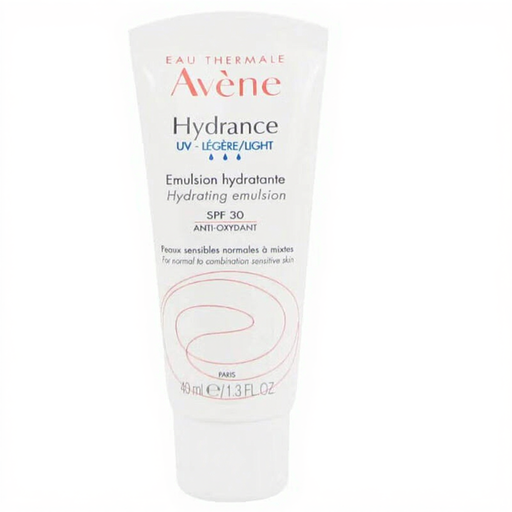
Why it suits this profile: According to the product information, this emulsion is suitable for normal, combination and sensitive skin. It can be used as a day cream and as a base under make-up.
The product description specifically mentions a lightweight, non-sticky texture and a matte finish. However, as it contains fragrance, you should check how well your skin tolerates it.
SPF 30, UVA/UVB protection, 40 ml, stated non-comedogenic properties and a matte finish according to the manufacturer.
We’ve put together a complete, regularly updated list of products that meet these strict selection criteria and fully comply with the safety regulations in force in the EU.
SPF 30 sunscreen isn’t an everyday product with an unlimited shelf life. If its smell, colour or consistency changes, don’t use it. Always follow the information provided with the product.
SPF 30 can provide a suitable high level of protection for many everyday situations. The key is to apply enough, choose a product with UVA and UVB protection, and reapply regularly. A different level of protection may be more appropriate in very strong sunlight or if you’re particularly sensitive to light.
Yes, as long as the texture absorbs quickly and works well with your skincare and make-up products. Waiting a little between applying sunscreen and make-up may help reduce rubbing or pilling. If you’ll be outdoors for a long time, you’ll still need to reapply protection over your make-up.
Check the open-jar symbol, the expiry date and the manufacturer’s instructions. Heat, direct sunlight and frequent opening can affect product quality, so the shelf life isn’t the same for every sunscreen.