
Lieferung heute & morgen

Qualitätsgarantie

Willkommens-Angebote freischalten: KOSTENLOSE Lieferung | Bis zu 80 % RABATT | Kostenlose 30-Tage-JoyPlus-Testphase
App herunterladen
Finding the right SPF 50 face sunscreen can be a complex task. Many products promise high protection but leave behind a sticky film, a visible white cast, or don't layer well with makeup. These drawbacks often cause daily sun protection to be seen as a chore and, consequently, skipped.
This guide is designed to help you navigate the common pitfalls of sunscreen shopping. Instead of relying on marketing claims, we will focus on the objective criteria that define a high-performance face sunscreen for daily use.
To make an informed decision, you should pay attention to the following technical specifications and standards. These define a product's protective performance and how it feels on the skin.
A high protection factor is the foundation of effective sun care. These labels provide information about protection against different types of radiation:
The texture is crucial for application comfort and suitability for your skin type. Modern sunscreens go far beyond the classic cream.
Based on the criteria above, we have identified several products suited for different needs and lifestyles.
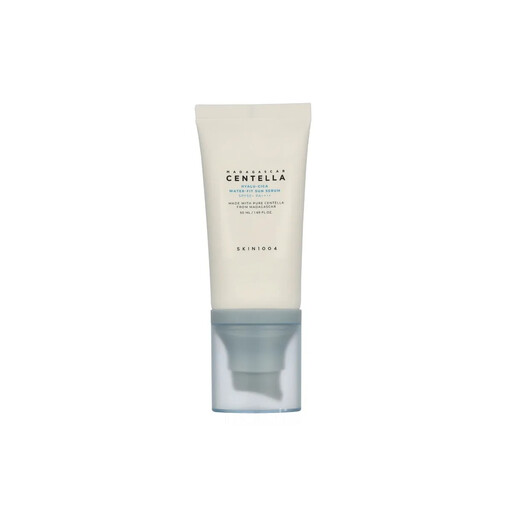
Why it's a match: Ideal for those seeking an invisible, weightless protective layer for daily use. The serum texture absorbs instantly and works perfectly as a makeup base without feeling greasy or pilling.
The water-light serum formulation prevents the typical heavy, greasy feeling and leaves no white cast, thanks to modern chemical filters.
Combines high UV protection (SPF 50+ PA++++) with skin-soothing Centella Asiatica extract and hydrating hyaluronic acid.
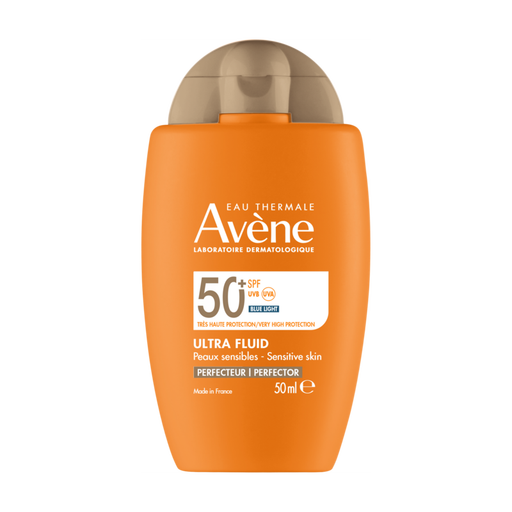
Why it's a match: For users with sensitive skin who prefer reliable, pharmacy-grade protection and also want to conceal minor redness or an uneven skin tone.
The ultra-light fluid texture is specifically designed for sensitive skin and is fragrance-free. Its universal tint evens out the complexion without the mask-like effect of a foundation.
According to the manufacturer, its TriAsorB filter system offers protection against UVB, UVA, and high-energy visible blue light (HEV Blue Light).
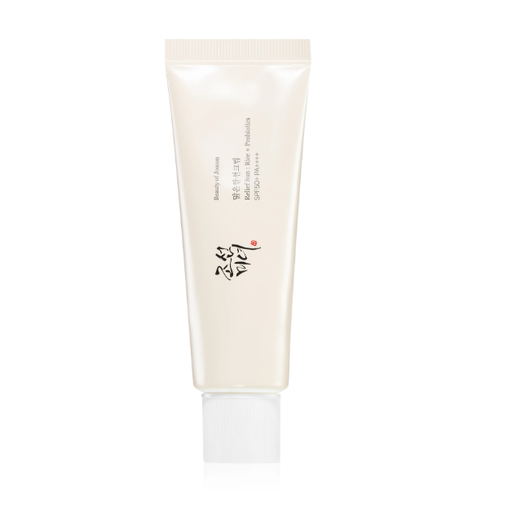
Why it's a match: Perfect for those with dry or normal skin who want a nourishing sunscreen that feels like a rich moisturizer and leaves a radiant, non-greasy finish.
The creamy texture provides intense moisture, replacing a separate day cream. It absorbs completely without leaving a white film and serves as an excellent base for makeup.
The formula contains 30% rice extract and grain ferment extracts, which nourish and hydrate the skin, according to the manufacturer.
We have compiled a complete, up-to-date list of products that fully meet these strict selection criteria and rigorous safety standards.
For effective protection on the face and neck, the "two-finger rule" is often recommended. Dispense two strips of sunscreen onto your index and middle fingers. This amount corresponds to the recommended application density of 2 mg per square centimeter of skin needed to achieve the SPF level stated on the packaging. Using too little significantly reduces protection.
Yes, many modern formulations, especially moisturizing sunscreens, are designed to both protect and nourish the skin. For normal to oily skin types, products with ingredients like hyaluronic acid, glycerin, or ceramides can be sufficient to serve as a day cream with SPF 50. For very dry skin, however, it may still be beneficial to apply a separate moisturizer beforehand.
The PA (Protection Grade of UVA) system measures protection against UVA rays. The number of plus signs indicates the level of protection. PA++++ is the highest level, signaling extremely high protection against the UVA radiation responsible for skin aging. This system is especially common with Korean sunscreens and other Asian brands and is a reliable indicator of comprehensive protection.