
Lieferung heute & morgen

Qualitätsgarantie

Willkommens-Angebote freischalten: KOSTENLOSE Lieferung | Bis zu 80 % RABATT | Kostenlose 30-Tage-JoyPlus-Testphase
App herunterladen
An SPF 50 face sun cream should provide reliable protection from UV rays, feel comfortable to apply and work well with your skincare routine. There’s a wide choice, from Korean sun creams and Japanese UV essences to classic sun protection products from the high street. However, differences in texture, filter labelling, finish and ingredients aren’t always obvious at first glance.
The SPF rating mainly indicates protection against UVB rays, which are associated with sunburn. For everyday facial sun protection, it’s also important to look for stated UVA protection. Many Korean and Japanese products use the PA++++ rating for this. It complements the SPF rating, but doesn’t replace checking the full product labelling.
A lightweight sun cream may feel comfortable, but depending on its formula, it could contain alcohol, fragrance or certain filters that not everyone’s skin tolerates equally well. If you have sensitive skin, check the current INCI list and test the product on a small area of skin first. Claims such as ‘hypoallergenic’ or ‘for sensitive skin’ don’t guarantee that a product will suit you personally.
A sun cream that leaves no white cast can still look shiny, pill or react with foundation. When using it under make-up, how quickly it absorbs, how it forms a film and how well it layers matter just as much as its colour. Applying enough product is still essential, even if this makes the finish more noticeable.
For longer periods outdoors, SPF 50 or SPF 50+ is a sensible choice. Also look for stated UVA protection. According to manufacturers, products labelled SPF 50+ PA++++ combine high UVB protection with a high UVA rating under the PA system, which is particularly common on Asian products.
You need to apply enough product to your face and neck. A common rule of thumb is around two finger lengths for the face and neck, but follow the specific directions on the packaging. Apply before going outdoors and reapply regularly, especially after sweating, swimming or drying yourself. No sun protection allows you to stay in the sun indefinitely.
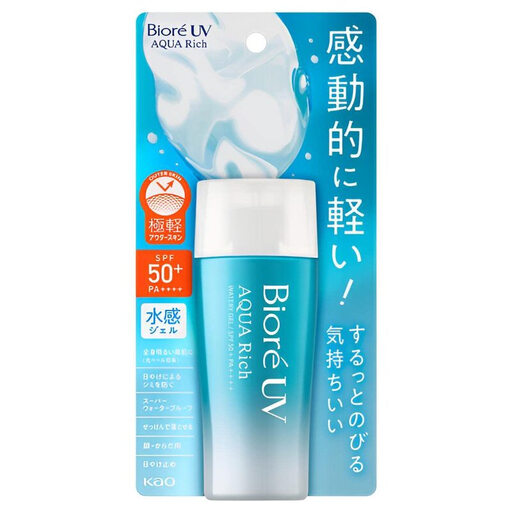
Why this product suits this profile: According to the product information, its watery gel texture is suitable for the face and body, making it an easy introduction to daily face sun cream.
SPF 50+ and PA++++ are clearly stated. The product description also mentions a lightweight, non-greasy texture that leaves no white residue.
70 ml size, gel texture and, according to the product information, a fragrance-free formula.
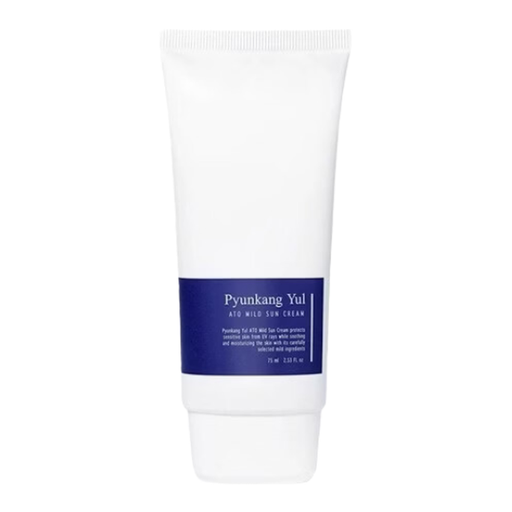
Why this product suits this profile: According to the product description, the ATO range is designed for sensitive, dry and atopy-prone skin. Its creamy texture works well with a pared-back morning routine.
The product information describes a lightweight, non-greasy texture that leaves little white residue, alongside SPF 50 and PA++++.
75 ml size and a product range designed for sensitive, dry skin, according to the manufacturer.
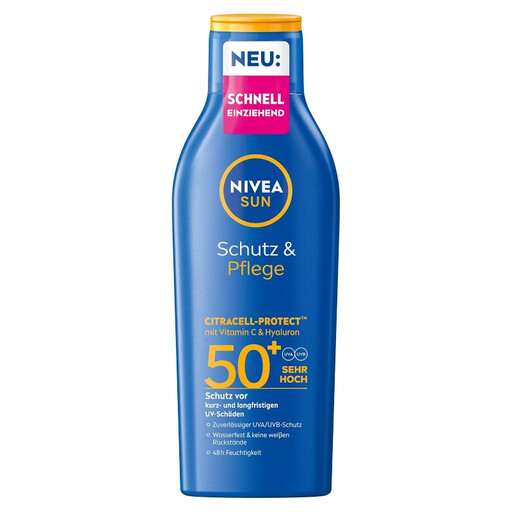
Why this product suits this profile: The 200 ml size is a good choice if you use sun protection regularly on larger areas of skin or spend longer periods outdoors.
The product description states that it offers UVA and UVB protection, absorbs quickly and leaves no white residue. Check the packaging to confirm whether it is suitable for the face.
A generous 200 ml size and a lotion designed for use on the body.
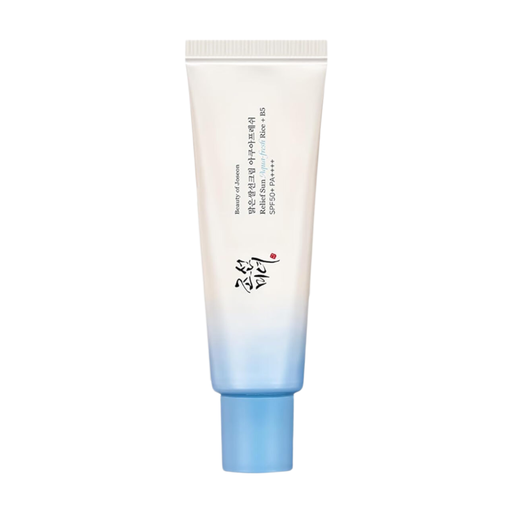
Why this product suits this profile: According to the product description, its watery, lotion-like texture is designed to absorb quickly and be reapplied throughout the day.
SPF 50+, PA++++ and the claim that it leaves no white cast make it a useful everyday option to consider. How well it works with your make-up depends on your foundation and skincare.
Rice Seed Water and panthenol are listed as ingredients; the texture is described as suitable for daily use on the face.
We’ve put together a complete, regularly updated list of products that meet these strict selection criteria and fully comply with the safety regulations in force in the EU.
Apply sun cream as the last step in your morning skincare routine. If you’re trying a new product, it’s a good idea to test it on a small area of skin first. If you also use serum, day cream or make-up, give each layer a little time to absorb. Reapply after heavy sweating, swimming or drying yourself.
If your skin is sensitive, inflamed or damaged, stop using the product and seek medical advice if symptoms persist. Also check the best-before date or the PAO symbol on the packaging. The current INCI list may change, so check it before you buy.
Around two finger lengths is often given as a guide for the face and neck. The important thing is to apply an even, generous layer. Using less will reduce the level of protection you actually get.
Yes, as long as the texture and finish work well with your skincare and foundation. A lightweight sun cream or fluid usually absorbs more quickly. Wait a little after applying it before putting on make-up, and reapply your sun protection if you’re spending a long time outdoors.
Check the PAO symbol on the packaging, the best-before date and the manufacturer’s storage instructions. Heat, direct sunlight and leaving the product open frequently can affect its quality. If its smell, appearance or feel on your skin changes, stop using it.