
Lieferung heute & morgen

Qualitätsgarantie

Willkommens-Angebote freischalten: KOSTENLOSE Lieferung | Bis zu 80 % RABATT | Kostenlose 30-Tage-JoyPlus-Testphase
App herunterladen
An SPF 50 face sun cream should offer reliable everyday protection, feel comfortable to apply and work well with the rest of your skincare routine. Many products look similar at first glance, but can differ considerably in their UV filters, texture, finish and suitability for different skin types.
Three common marketing traps can often lead to the wrong purchase:
SPF 50 or SPF 50+ is a sensible choice for many everyday situations, particularly if you have fair or sensitive skin, or skin prone to pigmentation. SPF mainly relates to UVB radiation, which is associated with sunburn. UVA rays penetrate deeper into the skin and play a role in sun-related skin changes, among other things.
So, look for:
No single sun cream makes unrestricted sun exposure safe. Seeking shade, wearing clothing and avoiding the strongest midday sun remain important parts of sun protection.
A non-greasy sun cream or fluid is often a good fit for combination and oily skin. Dry skin may benefit from a moisturising sun cream containing glycerin, hyaluronic acid, panthenol or similar humectants.
If you have sensitive skin, check for:
A mineral face sun cream containing zinc oxide may also be suitable, although it can leave visible residue depending on your skin tone and the formula. If you’re looking for a sun cream that doesn’t leave a white cast, don’t judge product images and texture claims in isolation; check the full product description.
Apply face sun cream as the last step in your skincare routine. Fast-absorbing fluids, lotions and light emulsions are usually more practical under make-up than very rich creams. Allow enough time for your skincare, sun protection and make-up to settle between steps.
For sport, sweating or swimming, check whether the product is water-resistant. This doesn’t remove the need to reapply after drying off. You may find it useful to have separate products for your face and body: a compact 40- or 50-ml tube is more practical on the go, while body products usually come in larger sizes.
The products below are matched to different needs based on their stated SPF and UVA ratings, texture and usage guidance. It isn’t possible to predict exactly how every individual’s skin will react. If you have sensitive skin, try the product on a small area first.
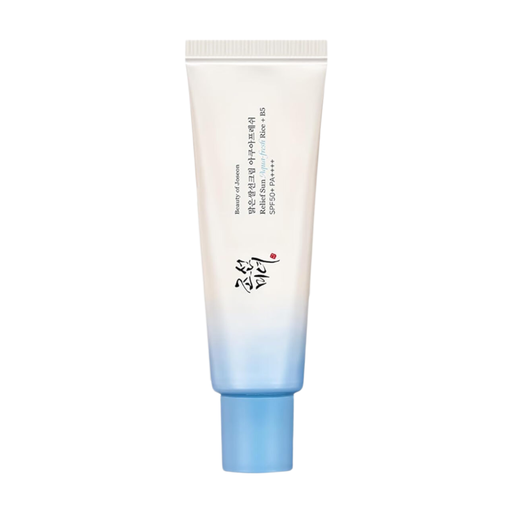
Why it suits this profile: According to the product details, this lotion-like formula combines SPF50+ and PA++++ with rice germ water and panthenol. It’s aimed at anyone looking to combine sun protection with lightweight hydration.
The selection is based on more than just SPF: the stated texture and PA++++ rating are also taken into account. This makes it easier to assess for everyday use.
The product details list SPF50+, PA++++, panthenol and Ceramide NP.
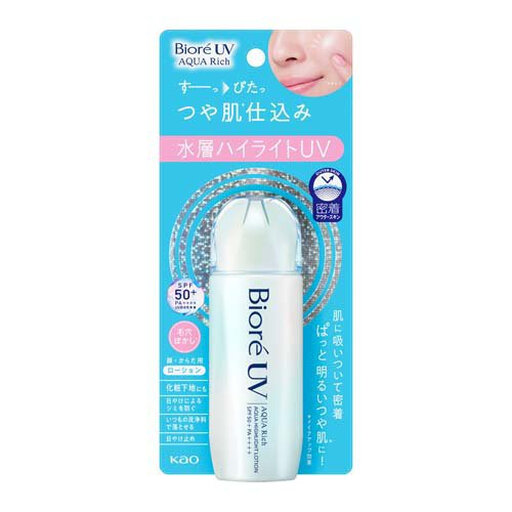
Why it suits this profile: According to the product details, it’s suitable for the face and body and offers 80 minutes of water resistance. This could make it a good option for longer periods outdoors.
The water-resistance claim includes a specific time. You’ll still need to reapply after sweating, swimming or drying off.
SPF50+, PA++++, 70 ml and, according to the product details, 80 minutes of water resistance.
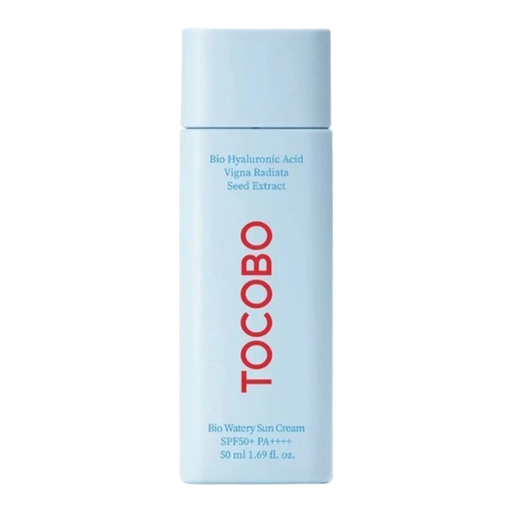
Why it suits this profile: This watery moisturiser is described as SPF50+ and PA++++. The ingredients list includes hyaluronic acid and glycerin, and the texture is designed for quick, easy application to the face.
The description mentions UVA1, UVA2 and UVB, as well as a non-greasy texture. If you’re sensitive to fragrance, take note of the listed parfum.
SPF50+, PA++++, sodium hyaluronate and glycerin, according to the product details.
We’ve put together a complete, regularly updated list of products that meet these strict selection criteria and comply fully with the safety regulations in force in the EU.
SPF 50 can be a good choice for daily use if your face is regularly exposed to daylight or your skin is particularly sensitive to sunlight. Applying enough and reapplying during longer periods outdoors are key.
Lightweight fluids, lotions and fast-absorbing essences are often easier to wear under make-up. Let your face sun cream absorb fully first, and test how it works with your foundation on a small area.
Check the best-before date printed on the packaging and the open-jar symbol showing how long the product can be used after opening. If the smell, colour or consistency changes, stop using it. Please refer to the packaging for the specific shelf life.