
Lieferung heute & morgen

Qualitätsgarantie

Willkommens-Angebote freischalten: KOSTENLOSE Lieferung | Bis zu 80 % RABATT | Kostenlose 30-Tage-JoyPlus-Testphase
App herunterladen
Daily application of an SPF 50 face sunscreen is a fundamental step in maintaining skin health. However, the market is crowded and filled with marketing promises that often fail to deliver. Many products leave a sticky residue, an unsightly white cast, or are unsuitable for your specific skin type. This leads to frustration and, in the worst-case scenario, to forgoing sun protection altogether.
This guide will help you understand the crucial criteria and avoid typical purchasing errors. We focus on the objective features that define a high-quality sunscreen, enabling you to make an informed decision.
Before we dive into the selection criteria, it's important to recognise common marketing traps that can lead to the wrong product choice.
To find the right SPF 50 face sunscreen, you should focus on three objective core parameters instead of advertising slogans.
A high Sun Protection Factor (SPF) alone is not enough. It primarily indicates protection against UVB rays, which are responsible for sunburn. Equally important is protection against UVA rays, which penetrate deeper into the skin and are a major contributor to premature skin ageing and the formation of dark spots.
The texture determines whether you will enjoy using a product daily. The formulation should be tailored to your skin's needs.
Modern sunscreens are often multifunctional and can simplify your daily skincare routine.
Here are some product recommendations tailored to specific needs and skin types, which successfully navigate the pitfalls mentioned above.
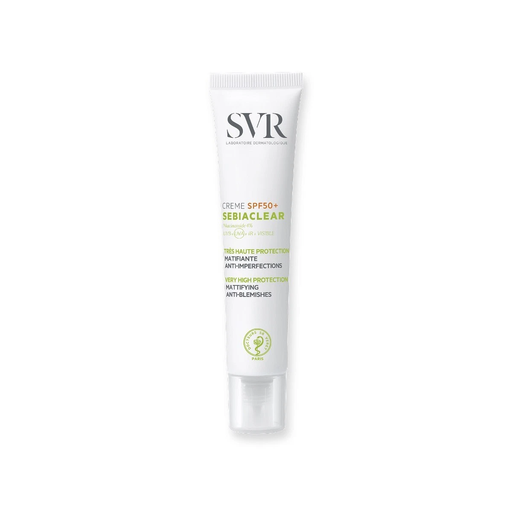
Why This Fits Their Persona: Ideal for those who need high sun protection while also controlling blemishes and excess shine. The formulation is specifically tailored to the needs of oily skin.
Avoids the 'one-size-fits-all' trap with a targeted, non-comedogenic formula containing niacinamide and azelaic acid, which regulates sebum production and leaves a matte finish.
Combines high UVA/UVB protection with active ingredients to combat blemishes and shine. Lightweight, fast-absorbing texture.
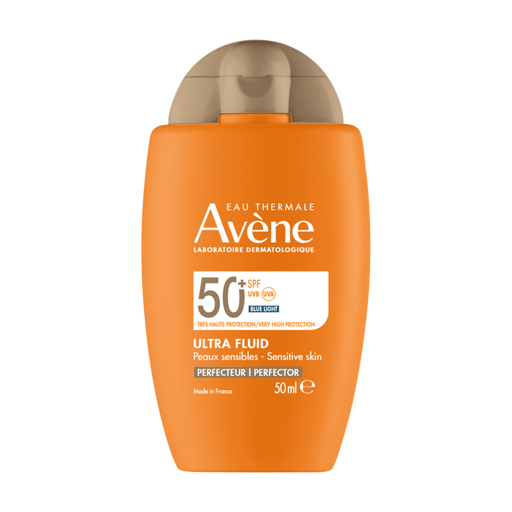
Why This Fits Their Persona: For anyone who wants an even complexion and high protection without using a heavy foundation. Ideal for daily use to subtly perfect the skin's appearance.
Instead of an opaque, mask-like tint, this fluid offers a universal, sheer tint that adapts to many skin tones and evens out the complexion. The ultra-light texture avoids any heavy feeling.
Provides very high protection (UVA, UVB, HEV Blue Light) and is specially formulated for sensitive skin. The water-light texture serves as an excellent makeup base.
We have compiled a complete, up-to-date list of products that fully meet these strict selection criteria and rigorous safety standards.
To achieve the SPF 50 listed on the packaging, the amount you apply is crucial. A common rule of thumb is the two-finger method: dispense two strips of sunscreen onto your index and middle fingers. This amount is sufficient for your face and neck. Applying too little significantly reduces the protection factor.
This depends on the sunscreen's formulation and your skin type. A hydrating sunscreen may be sufficient as a one-step day cream for those with normal to oily skin. For dry or very dry skin, it is often beneficial to apply a separate moisturizer before your sunscreen. Allow it to absorb fully before applying the sunscreen.
The PA (Protection Grade of UVA) rating is a system used primarily in Asian countries like South Korea and Japan to indicate the level of protection against UVA rays. The rating ranges from PA+ (low protection) to PA++++ (extremely high protection). A high PA rating is a good indicator of effective protection against skin ageing caused by UVA radiation.