
Lieferung heute & morgen

Qualitätsgarantie

Willkommens-Angebote freischalten: KOSTENLOSE Lieferung | Bis zu 80 % RABATT | Kostenlose 30-Tage-JoyPlus-Testphase
App herunterladen
By the Joybuy Product Recommendation Officer, August 28, 2026
Finding the right SPF 50 face sunscreen can be more complicated than you might think. The market is flooded with products advertising a wide range of features, but not every formula is suitable for daily use. Many users report sticky residue, an unflattering white cast, or skin irritation. This guide will help you identify the crucial product features and steer clear of typical purchasing traps.
Before we dive into the selection criteria, it's helpful to understand the most common issues that can lead to buyer's remorse.
To make the right decision, you should focus on three objective criteria that go beyond pure sun protection.
The type of UV filter significantly determines the texture, feel, and skin compatibility of a sunscreen.
The days of heavy, pasty sunscreens are over. Modern products, especially from the world of K-Beauty sun care, offer innovative textures that integrate seamlessly into any skincare routine.
High SPF 50+ sun protection is the foundation. However, many products offer more. Ingredients like hyaluronic acid, niacinamide, Centella Asiatica, or Vitamin C can provide additional moisture, soothe the skin, or refine its appearance. A Korean sunscreen is often a prime example of a multifunctional product that combines protection and care. For users looking to even out their complexion, a tinted sunscreen can be a practical option.
Based on the criteria above, we have identified several products that are well-suited for different needs.

Why This Fits Their Persona: Ideal for users seeking a reliable sunscreen that feels like a lightweight moisturiser. Perfect for daily use, even under makeup, without feeling heavy or sticky.
Its creamy yet lightweight texture absorbs completely, bypassing the pitfall of heavy, greasy formulas. It leaves no white cast and doesn't feel like a mask.
Combines SPF 50+ with nourishing rice and grain ferment extracts. It hydrates the skin and leaves a comfortable, natural finish.
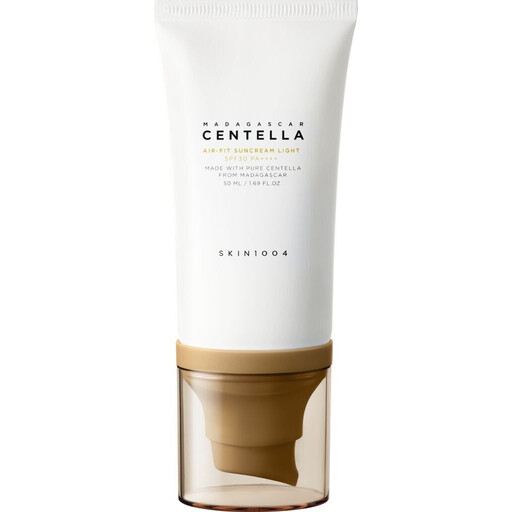
Why This Fits Their Persona: Suitable for individuals with sensitive skin who prefer a mineral sunscreen but don't want a heavy texture. The formula is designed for soothing and high tolerability.
As a modern mineral sunscreen with an "Air-Fit" texture, it minimises the white cast effect. The lightweight formula prevents the heavy, occlusive feeling often associated with older mineral filters.
Offers purely physical protection with zinc oxide and is enriched with Centella Asiatica extract, known for its skin-soothing properties.
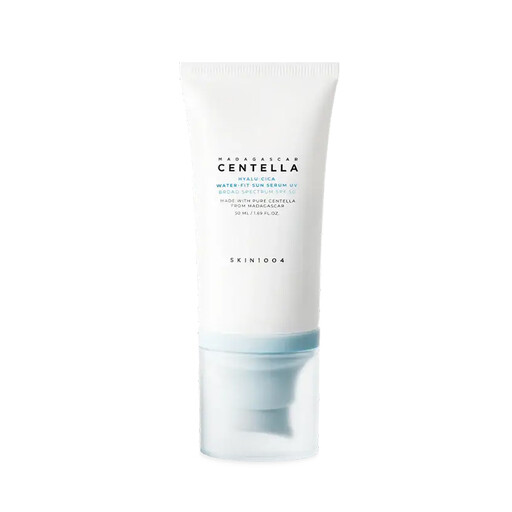
Why This Fits Their Persona: For skincare enthusiasts looking for a product that combines sun protection with intensive care. The serum texture and radiant finish make it a true hybrid product.
This product sidesteps the trap of vague skincare claims by delivering a potent combination of hyaluronic acid and Centella Asiatica in a true serum texture. It's more than just a sunscreen with humectants.
The "Hyalu-Cica" formula provides intense hydration and soothes the skin. The watery serum texture ensures a fresh, radiant finish without any stickiness.
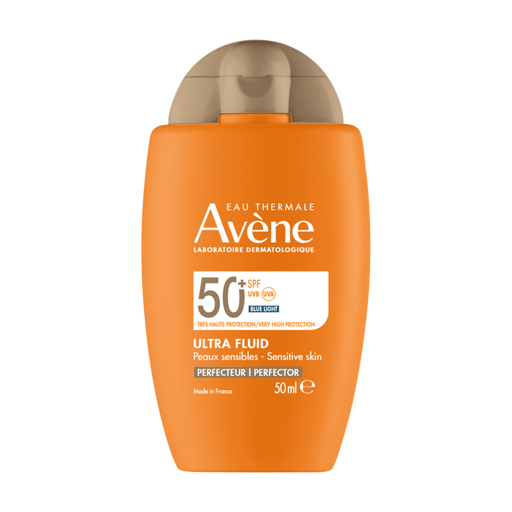
Why This Fits Their Persona: For users who want to combine very high protection with a light tint to subtly even out their skin tone. Especially suitable for sensitive skin that trusts pharmacy-grade products.
The ultra-fluid texture prevents a heavy, greasy feeling. The universal tint not only conceals imperfections but also effectively prevents the white cast that can occur with high-concentration filters.
Offers broad-spectrum protection against UVB, UVA, and HEV blue light. The water-resistant formula with a subtle tint works well as a makeup base or for a natural look.
We've compiled a complete, up-to-date list of products that fully meet these strict selection criteria and all applicable regulations.
A common and practical method for measuring is the two-finger rule. Squeeze two strips of sunscreen onto your index and middle fingers. This amount is generally sufficient to adequately protect your face and neck. Using too little significantly reduces the stated sun protection factor.
That depends on the sunscreen's formulation and your skin type. Many modern, moisturising sunscreens, especially sun serums or fluids, contain nourishing ingredients like hyaluronic acid or glycerin. For those with normal to oily skin, these products may be sufficient in the summer. If you have very dry skin, it may be beneficial to continue using a separate moisturiser underneath your sunscreen.
The Sun Protection Factor (SPF) indicates how much longer you can stay in the sun with sunscreen without getting a sunburn, compared to your skin's natural protection time. SPF 50 filters about 98% of UVB rays. The SPF 50+ label is used for products whose protection factor measures 60 or higher. They therefore offer even greater protection, even if the percentage difference is small.