
Lieferung heute & morgen

Qualitätsgarantie

Willkommens-Angebote freischalten: KOSTENLOSE Lieferung | Bis zu 80 % RABATT | Kostenlose 30-Tage-JoyPlus-Testphase
App herunterladen
Finding the right SPF 50 face sunscreen can quickly become overwhelming. The market is saturated with products making a wide range of promises—from mattifying effects to anti-ageing benefits. However, not every formula delivers, and vague marketing terms often lead to regrettable purchases. Daily sun protection is a fundamental cornerstone of any skincare routine, essential for shielding the skin from premature ageing and cellular damage.
This guide will help you identify the crucial features and avoid common pitfalls, enabling you to make an informed decision for your skin type.
Before we dive into the selection criteria, it's important to understand the most prevalent marketing traps that often lead to unsuitable purchases.
To make the right choice, you should focus on objective and verifiable product characteristics. The following three parameters are non-negotiable for effective and comfortable daily sun protection.
The Sun Protection Factor (SPF) primarily indicates protection against UVB radiation, which is responsible for sunburn. However, protection against UVA radiation is at least as important, as it penetrates deeper into the skin and is a major contributor to premature skin ageing (wrinkles, dark spots).
Look for products that offer explicit UVA and UVB protection (broad-spectrum protection). The UVA symbol (UVA in a circle) on European products guarantees that the UVA protection is at least one-third of the stated SPF. Products from the Asian market often use the PA system (Protection Grade of UVA), where PA++++ represents the highest level of protection currently available.
The texture determines whether you will enjoy using your sunscreen daily. Modern formulations go far beyond the classic, often heavy, sunscreen.
Modern sunscreen can do more than just protect. Look for active ingredients tailored to your skin's needs:
Based on the criteria above, we have compiled a selection of products suitable for different requirement profiles.
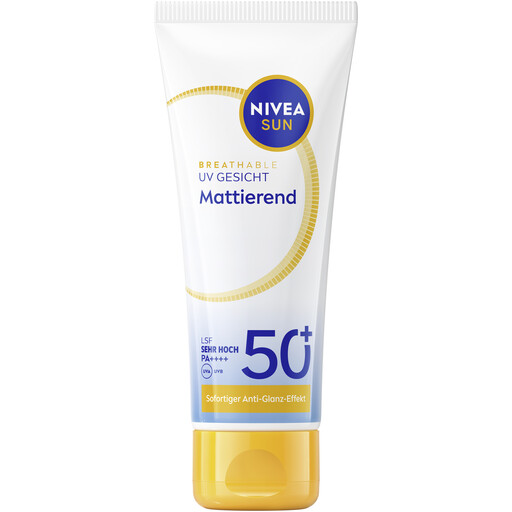
Why This Fits Their Persona: Ideal for those seeking a reliable, daily sunscreen that controls shine without clogging pores. Perfect for everyday city life, even under makeup.
The formulation is specifically designed to avoid a greasy feeling. According to the manufacturer, it provides an instant and long-lasting anti-shine effect and leaves a 0% greasy skin feel.
The formula is non-comedogenic, meaning it won't clog pores. Its lightweight texture absorbs quickly and works well as a makeup base.
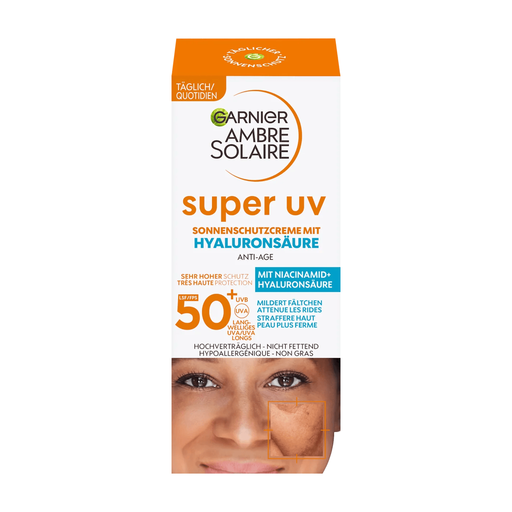
Why This Fits Their Persona: For users who want not only high UV protection but also a skincare benefit against the signs of ageing. The formula combines protection with moisturising and plumping properties.
This product is more than just a sunscreen. It delivers targeted active ingredients like hyaluronic acid and Vitamin B3 that go beyond mere protection to meet the specific needs of mature skin.
According to the manufacturer, the formula counteracts the appearance of wrinkles and fine lines. The ultra-light texture provides moisture without feeling heavy.
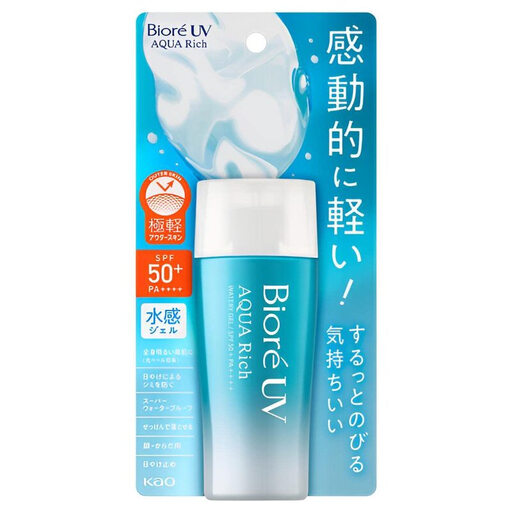
Why This Fits Their Persona: For anyone who dislikes the feeling of sunscreen on their skin. The watery gel texture is barely perceptible, making it an excellent choice for daily use, even for those who have previously avoided sunscreen.
This product bypasses the "white cast" trap with its extremely lightweight, water-based formulation. It absorbs without a trace, making it suitable for all skin tones without leaving a visible film.
Offers very high broad-spectrum protection with SPF50+ and PA++++. The non-greasy texture is suitable for all skin types and provides moisture at the same time.
We have compiled a complete, up-to-date list of products that fully meet these strict selection criteria and German safety regulations.
A common recommendation is the so-called two-finger rule: apply two strips of sunscreen to your index and middle fingers. This amount is generally sufficient for the face and neck to achieve the sun protection factor stated on the packaging. Using too little significantly reduces protection.
Yes. Up to 80% of UV radiation can penetrate clouds. UVA rays, which are responsible for skin ageing, are present all year round, including in winter and behind window glass. Daily sun protection is therefore advisable 365 days a year.
Yes, sunscreen products have an expiry date. Once opened, they are typically good for 6 to 12 months (look for the open jar symbol). Store your sunscreen in a cool, dry place and avoid direct sunlight or heat (e.g., in a car), as this can compromise the effectiveness of the UV filters.