
Lieferung heute & morgen

Qualitätsgarantie

Willkommens-Angebote freischalten: KOSTENLOSE Lieferung | Bis zu 80 % RABATT | Kostenlose 30-Tage-JoyPlus-Testphase
App herunterladen
Finding the right SPF 50 face sunscreen can quickly feel overwhelming. The market offers a vast array of products, all promising instant protection and a perfect skin-feel. In practice, however, not all formulas live up to their claims. As your Joybuy Product Recommendation Officer, I'll help you navigate the common pitfalls and make an informed decision.
Many users know the problems all too well: a cream advertised as "lightweight" leaves behind a greasy film that clogs pores, or a product marketed as "invisible" creates a noticeable white cast. Another common annoyance is products that, while boasting nourishing additives, have a texture unsuitable for daily use under makeup. These experiences often lead to frustration and cause people to neglect the crucial step of daily sun protection.
To find a sunscreen you'll genuinely enjoy using every day, you should focus on a few key parameters. These objective criteria are far more important than marketing promises.
A high Sun Protection Factor (SPF) alone is not enough. The SPF (Sun Protection Factor) primarily indicates protection against UVB rays, which are responsible for sunburn. Equally important is protection from UVA rays, which penetrate deeper into the skin and are a major contributor to premature skin ageing and the formation of dark spots.
Therefore, look for products that explicitly state UVA and UVB protection (broad-spectrum). The UVA symbol (the letters "UVA" in a circle) on European products signals that the UVA protection is at least one-third of the stated SPF. Products from the Asian market, such as Korean sunscreen, often use the PA system (Protection Grade of UVA). A rating like PA++++ signifies very high UVA protection.
The product description—whether it's a cream, fluid, or gel—gives an initial clue about its texture. Choosing the right formulation is crucial for comfort and compatibility with your skin.
A key quality indicator is a formulation that works without a white cast. Modern filter technologies enable high protection without leaving a visible white film.
Many modern facial sunscreens are hybrids of protection and skincare. They contain active ingredients that address specific skin needs.
Instead of making a one-size-fits-all recommendation, we have identified products that address specific user profiles and their needs.
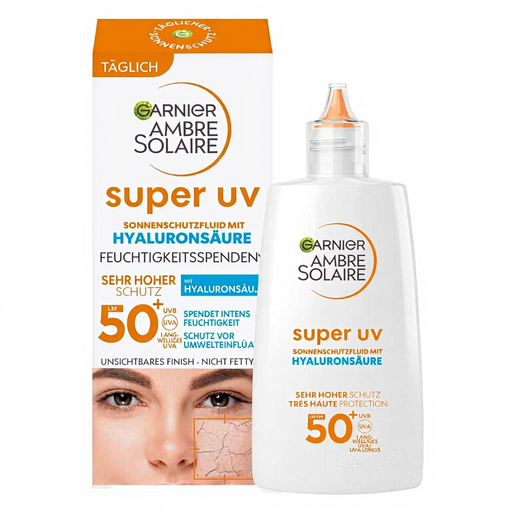
Why This Fits Their Persona: Ideal for those seeking a straightforward, lightweight sunscreen for daily use that isn't greasy and wears well under makeup. The fluid texture is specifically designed for normal to oily skin types.
The formula is designed to leave a matte, invisible finish without greasy residue, thus avoiding the problem of unwanted shine.
Very lightweight fluid texture that absorbs quickly. Contains hyaluronic acid for added moisture.

Why This Fits Their Persona: Perfect for skincare enthusiasts who want a hydrating and soothing formula without compromising on protection. This Korean sunscreen is renowned for its elegant textures and nourishing properties.
Its lightweight, creamy texture absorbs like a moisturiser and uses modern filters that prevent the typical white cast of traditional sunscreens.
Very high UVA protection (PA++++). Enriched with 30% rice extract and grain-fermented extracts for hydration and nourishment.
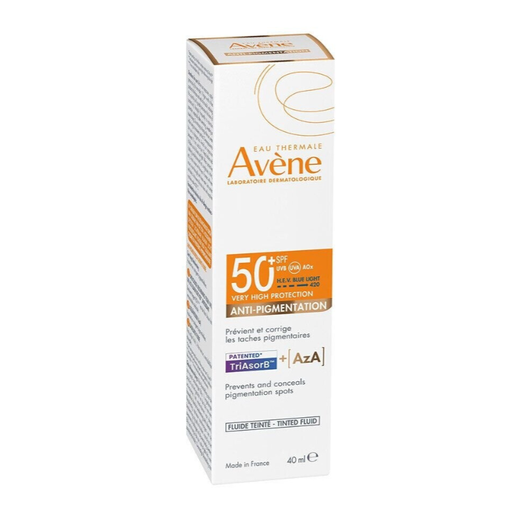
Why This Fits Their Persona: For users who want reliable sun protection that also evens out the complexion and conceals minor imperfections, without requiring a heavy layer of makeup. Especially suitable for sensitive skin.
As a tinted sunscreen, it combines protection with complexion-perfecting. This avoids the issue of having to apply multiple layers (sunscreen, foundation) that can feel heavy or cause pilling.
Tinted formula for an even complexion. Offers protection against UVB, UVA, and short-wave blue light (HEV). Formulated for sensitive skin.
We've compiled a complete, up-to-date list of products that fully meet these strict selection criteria and UK/EU safety regulations.
A common guideline is the "two-finger rule": apply a line of sunscreen to your index and middle fingers. This amount is generally sufficient for the face and neck to achieve the sun protection factor stated on the packaging. Applying too little significantly reduces the level of protection.
Yes, daily application is recommended. Up to 80% of UV radiation can penetrate clouds. UVA rays in particular, which are responsible for skin ageing, are present all year round, even in winter and behind window panes. Daily sun protection is one of the most fundamental measures for preventing premature skin ageing.
Technically, yes. However, face sunscreens are often formulated with lighter textures and additional skincare ingredients, and are typically non-comedogenic (won't clog pores). They are also usually more expensive per millilitre. For larger areas of the body, using a dedicated body sunscreen may be more cost-effective.