
Lieferung heute & morgen

Qualitätsgarantie

Willkommens-Angebote freischalten: KOSTENLOSE Lieferung | Bis zu 80 % RABATT | Kostenlose 30-Tage-JoyPlus-Testphase
App herunterladen
Finding the right SPF 50 face sunscreen can quickly become complicated. The market is filled with products that promise a wide range of additional benefits. However, not all of them deliver on their claims. As your Joybuy Product Recommendation Officer, I'll help you distinguish the important features from empty marketing promises and make an informed decision.
Before we dive into the selection criteria, let's look at the typical pitfalls that often lead to a purchase you'll regret.
To make the right choice, focus on these objective criteria instead of advertising slogans.
The type of UV filter determines how the sunscreen works and how it feels on the skin.
For daily use on the face, texture is key. A product that feels heavy or sticky will rarely be used consistently. Look for lightweight fluids or gels that absorb quickly.
At the same time, a modern moisturizing sunscreen can complement your daily skincare routine. Look for ingredients that suit your skin type:
Here are some product recommendations tailored to specific needs and user profiles.
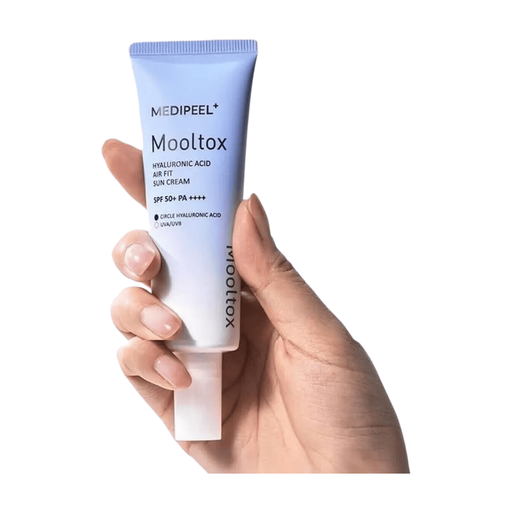
Why This Fits Their Persona: Ideal for users looking for a daily sunscreen that not only protects but also intensely hydrates dry or dehydrated skin without feeling heavy.
This product avoids the heavy texture trap (Pitfall 3). Despite its moisturizing properties, it offers a lightweight, water-fit texture that absorbs quickly and isn't sticky.
Enriched with hyaluronic acid for intense hydration; contains niacinamide to support the skin barrier.
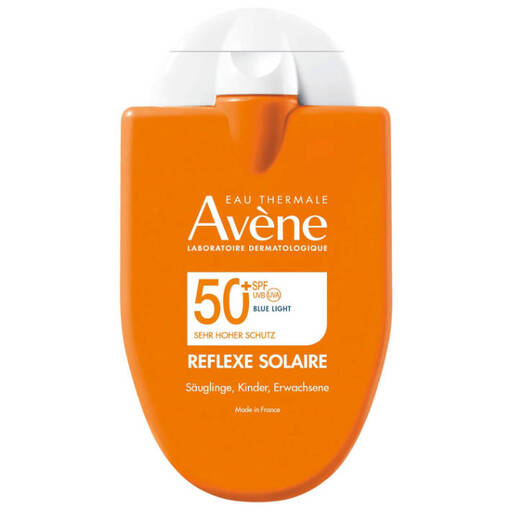
Why This Fits Their Persona: Suitable for individuals with very sensitive or irritation-prone skin who need a minimalist and highly tolerable fragrance-free formula.
The fragrance-free formulation minimizes the risk of skin irritation, which can often be triggered by fragrances in sunscreen products.
Contains skin-soothing Avène Thermal Spring Water; the formula is fragrance-free and suitable for both face and body.
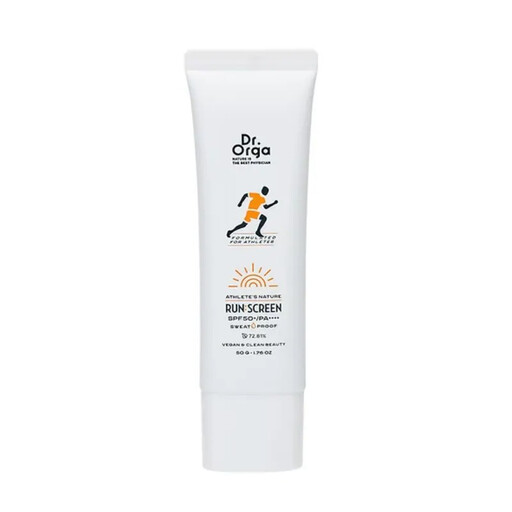
Why This Fits Their Persona: Designed for athletes and active people who need reliable, sweat-resistant protection that stays in place even during intense physical activity.
Addresses the "water-resistant" trap (Pitfall 1) by offering an explicitly sweat-resistant formula that provides better adhesion during sports and won't run into your eyes.
Provides a cooling effect to refresh heated skin; contains a high concentration of Centella Asiatica extract for soothing benefits.
Comprehensive sun protection doesn't end with your face. For outdoor activities, reliable protection for your entire body is essential. Discover our selection of body sunscreens based on the same objective criteria.
A common guideline is the "two-finger rule." Dispense a line of sunscreen on both your index and middle fingers. This amount is generally sufficient for the face and neck to achieve the stated SPF. Applying too little significantly reduces the level of protection.
Yes. UVA rays in particular, which are responsible for premature skin aging, penetrate clouds and window glass. A daily broad-spectrum facial sunscreen is therefore recommended year-round to consistently protect the skin from long-term damage.
"White cast" refers to the visible white or chalky film that some sunscreens, especially a mineral sunscreen with zinc oxide or titanium dioxide, can leave on the skin. Modern formulations use micronized particles to reduce or eliminate this effect, ensuring a transparent finish.