
Lieferung heute & morgen

Qualitätsgarantie

Willkommens-Angebote freischalten: KOSTENLOSE Lieferung | Bis zu 80 % RABATT | Kostenlose 30-Tage-JoyPlus-Testphase
App herunterladen
The search for the right SPF 50 face sunscreen can be a complex task. Many products promise high protection, but daily use often reveals drawbacks: a greasy film, a visible white cast, or a texture that pills under makeup. These issues often lead to people skipping sunscreen in their daily routine, despite knowing its importance.
This guide will help you navigate the common pitfalls of buying sunscreen. We focus on the objective criteria that define a high-quality face sunscreen, enabling you to make an informed decision that suits your skin type and lifestyle.
Before choosing a product, it's helpful to understand the most common reasons a sunscreen ends up unused in the bathroom cabinet.
To find the perfect SPF 50 face sunscreen, you should focus on a few crucial features. These will help you distinguish marketing promises from actual performance.
The type of UV filter significantly determines the texture, feel, and skin compatibility.
The product name often gives a clue about the texture. A "fluid" or "serum" is typically lighter than a "cream." Consider which finish you prefer:
Modern SPF 50+ sun protection is often more than just a UV shield. It can take on additional skincare roles. Ingredients like hyaluronic acid for moisture, niacinamide to strengthen the skin barrier and regulate sebum production, or Centella Asiatica to soothe the skin offer real added value and can simplify your morning routine.
Instead of making a one-size-fits-all recommendation, we've matched products based on specific needs and lifestyles.
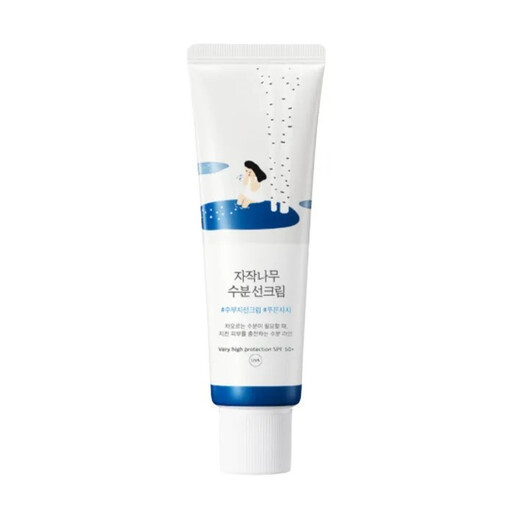
Why This Fits Their Persona: Ideal for anyone who prefers a streamlined routine. This Korean sunscreen feels like a lightweight moisturising serum and can replace a daily moisturiser on many days. It absorbs without a trace and serves as a perfect base for makeup.
The serum-like texture avoids the heavy, sticky feeling of traditional sunscreens and its rapid absorption prevents pilling under makeup.
Provides intense moisture with birch sap and hyaluronic acid. Leaves no white cast and creates a fresh skin feel.
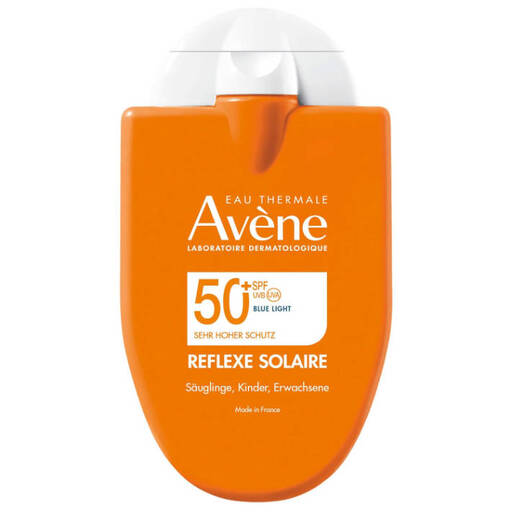
Why This Fits Their Persona: For users with reactive or sensitive skin who need a reliable, low-irritant solution. The fragrance-free formula and the addition of soothing thermal spring water make this product a safe choice for daily use.
The formula was specifically developed for sensitive skin and is fragrance-free to minimise the risk of irritation—a common pitfall with scented sunscreens.
Offers high broad-spectrum protection in a lightweight, water-resistant texture. The slim, pocket-friendly format is also practical for on-the-go application.
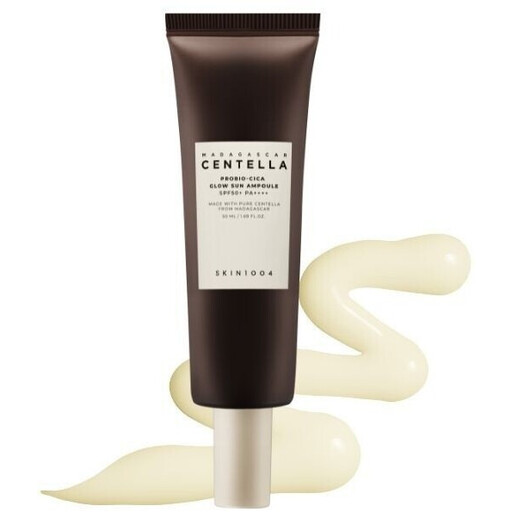
Why This Fits Their Persona: Perfect for users who want a healthy, radiant complexion without looking greasy. This sun ampoule combines high protection with nourishing ingredients, leaving a silky finish that gives skin a glow-from-within look.
Unlike many "glow" products that can feel oily, this ampoule achieves its effect through a nourishing formula and a lightweight texture that absorbs to leave a natural, non-greasy radiance.
Combines SPF 50+ protection with fermented Centella Asiatica and probiotics to strengthen the skin barrier. The formula is alcohol-free and also suitable for sensitive skin.
We have compiled a complete, up-to-date list of products that fully meet these strict selection criteria and current regulations.
A common and practical guideline is the two-finger rule. Dispense two strips of sunscreen onto your index and middle fingers. This amount is generally sufficient to adequately protect the face and neck and to achieve the sun protection factor stated on the packaging. Applying too little significantly reduces protection.
The main difference lies in how they work. Chemical filters absorb into the top layer of the skin and convert UV radiation into heat. They often allow for very lightweight, transparent textures. Mineral filters (zinc oxide, titanium dioxide) form a physical barrier on the skin and reflect UV rays. They are considered particularly gentle but can sometimes leave a whitish finish. The choice depends on personal preference and skin sensitivity.
It is generally not recommended. On most products, you will find an open jar symbol with a number (e.g., "12M"). This indicates how many months the product is good for after opening. After this period, the effectiveness of the UV filters can diminish, meaning reliable protection is no longer guaranteed. Unopened, sunscreens are usually stable for two to three years; check the expiration date on the packaging for this.