
Lieferung heute & morgen

Qualitätsgarantie

Willkommens-Angebote freischalten: KOSTENLOSE Lieferung | Bis zu 80 % RABATT | Kostenlose 30-Tage-JoyPlus-Testphase
App herunterladen
By Joybuy Product Recommendation OfficerPublished August 29, 2026
Finding the right SPF 50 face sunscreen can quickly become overwhelming. The market is flooded with products making a wide range of promises. However, not every formula delivers, and several common marketing claims often lead to disappointment and purchase regret. Before you make a decision, it's helpful to know the most common pitfalls.
moisturising sunscreen is a must-have for many, but rich formulas are often too heavy, leaving behind an oily sheen and potentially clogging pores. The result is an uncomfortable feeling on the skin, which is especially problematic under makeup.tinted face sunscreen promises to even out the complexion while providing protection. However, a single "universal" shade cannot possibly match all skin tones. The result is often an unnatural, patchy, or mismatched shade that is either too dark or too light.To make an informed choice that suits your skin type and lifestyle, you should focus on objective, verifiable product features.
The type of UV filter significantly determines the texture, application, and suitability for different skin types.
sunscreen for sensitive skin. The downside can be a thicker texture and the potential for a white cast.The Sun Protection Factor (SPF) only indicates protection against UVB rays, which are responsible for sunburn. Equally important is protection against UVA rays, which penetrate deeper into the skin and are a major contributor to premature skin ageing (photoaging) and the development of dark spots. Look for the following labels:
Korean sunscreen) rates the level of UVA protection. PA++++ represents the highest level of protection currently available.A modern spf 50 face sunscreen is more than just a protective shield. The right additional ingredients offer targeted skincare benefits.
mattifying sunscreen with ingredients like niacinamide or salicylic acid can regulate sebum production and reduce shine. Look for the "non-comedogenic" label.anti-ageing sunscreen often contains antioxidants like Vitamin C, Vitamin E, or peptides. These ingredients help protect the skin from free radicals and support collagen production.Based on these criteria, we have identified several products that are well-suited for specific user profiles.
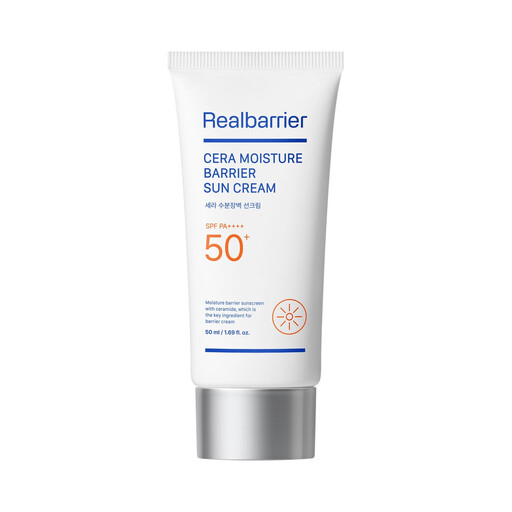
Why This Fits Their Persona: Ideal for those whose skin easily feels tight or reacts sensitively to new products. The formula focuses on strengthening the skin barrier and providing intense moisture without feeling heavy.
The lightweight, non-comedogenic formula provides moisture without leaving a greasy film. It absorbs quickly and avoids a white cast thanks to modern chemical filters.
Contains a complex of 10 types of hyaluronic acid, ceramides, and panthenol to soothe and regenerate. The patented MLE Technology supports the skin barrier.
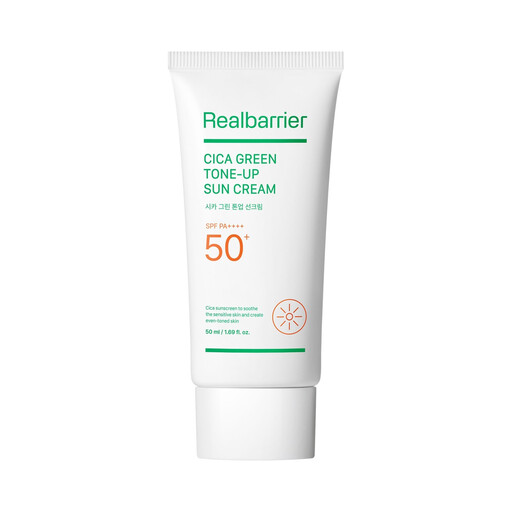
Why This Fits Their Persona: Perfect for users who struggle with redness or an uneven skin tone and are looking for a lightweight, corrective base for the day without using heavy makeup.
Instead of a mismatched "universal" tint, this product uses a subtle green hue that specifically neutralises redness, creating a more even complexion.
Contains Centella Asiatica (Cica) to soothe irritation. The lightweight formula with mineral filters (zinc oxide) is also suitable for sensitive skin.
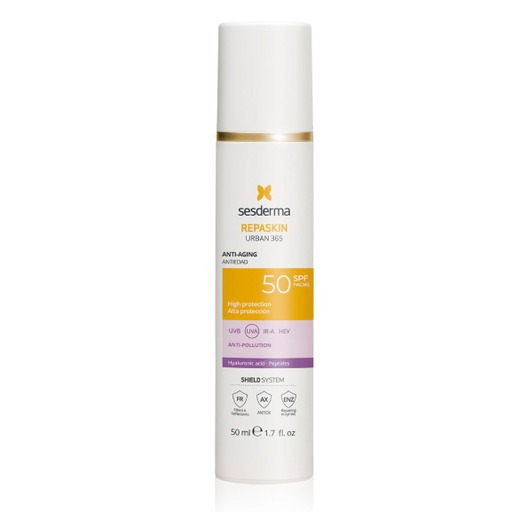
Why This Fits Their Persona: For users who consider high-quality sun protection a core part of their anti-ageing routine and value a science-backed formula that protects against environmental skin ageing.
This product goes beyond a simple promise of moisture, offering targeted anti-ageing benefits aimed at protecting against loss of elasticity and collagen degradation.
Provides broad-spectrum protection against UVA and UVB rays. According to the manufacturer, the formula is dermatologically tested and contains nourishing and moisturising components.
We've compiled a complete, up-to-date list of products that fully meet these strict selection criteria and safety regulations.
A common and practical guideline is the two-finger rule: Apply a line of sunscreen to your index and middle fingers. This amount is generally sufficient for the face and neck to achieve the sun protection factor stated on the packaging. Applying too little significantly reduces protection.
It's not the SPF level itself that matters, but the overall formulation of the product. Many modern sunscreens are labelled as "non-comedogenic," which means they are formulated in a way that won't clog pores. If you are prone to blemishes, look for this label and for lightweight, oil-free textures. Thorough cleansing in the evening is also essential to remove any product residue.
Yes, daily application is recommended. Up to 80% of UV radiation can penetrate clouds. In particular, UVA rays, which are responsible for skin ageing, are present all year round and can also penetrate window glass. A daily spf 50 face sunscreen is therefore a smart measure to prevent long-term damage.