
Lieferung heute & morgen

Qualitätsgarantie

Willkommens-Angebote freischalten: KOSTENLOSE Lieferung | Bis zu 80 % RABATT | Kostenlose 30-Tage-JoyPlus-Testphase
App herunterladen
A face sunscreen with SPF 50 should reliably protect against UV radiation, feel comfortable on the skin and work well alongside skincare and make-up in everyday life. With the wide choice of lightweight Korean formulas, sun sticks and tinted products, finding the right one can be difficult. Marketing terms such as “invisible”, “for all skin types” or “moisturiser and sun protection in one” alone say little about how suitable a product really is for daily use.
SPF 50 primarily describes protection against UVB radiation under specified test conditions. It does not mean that applying the product once will be enough for the whole day. Sweat, friction, water and towel-drying can affect the protective film. Regular reapplication is required when spending longer periods outdoors.
You should therefore also look for clearly stated UVA protection. On European products, you will often find the UVA symbol in a circle. The PA++++ marking comes from the Asian rating system and indicates a high level of UVA protection there.
A sunscreen without a white cast is particularly popular for darker skin tones and under make-up. Transparent organic UV filters usually leave less visible residue. Mineral products containing zinc oxide, on the other hand, may appear lighter depending on the formula and the amount applied.
A very dewy finish is not automatically a sign of intensive moisturising care either. Creamy, rich textures can feel uncomfortable on oily or blemish-prone skin. The key factors are the finish, how easily the product spreads and whether you can apply the sunscreen evenly.
A sun stick SPF 50 is practical for use on the go, when commuting or for topping up your protection. However, the solid format makes it harder to check whether enough product has been applied in an even layer. For the first application in the morning, a lotion, fluid or cream is usually easier to measure and spread. The stick is best used as a supplement afterwards.
For daily facial sun protection, SPF 50 or SPF 50+ is an obvious choice, particularly in intense sunlight, when spending longer periods outdoors or if you have very fair skin. For the beach, sport and heavy sweating, pay attention to information about water resistance. Even a product advertised as waterproof must be reapplied after swimming or towel-drying.
New products should initially be tested on a small area of skin. Stop using the product if burning, redness or a rash occurs. Sun protection is also not a substitute for shade, clothing or avoiding intense midday sun.
Individual terms such as rice, aloe, green tea or niacinamide describe only part of the formula. Actual skin compatibility depends on the formulation as a whole. Always read the packaging information and the current INCI list for the specific product. Manufacturers can change their formulas, so the information on the packaging is authoritative.
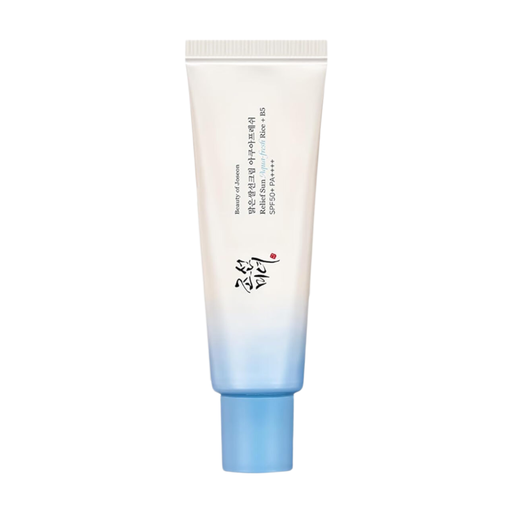
Why this product suits this profile: The lotion-like, watery texture is aimed at people who want to combine Korean skincare, hydration and a lightweight feel on the skin.
The product description states that it absorbs quickly and leaves no white or bluish residue. Even so, you should check its compatibility with your skin before using it daily.
SPF 50+, PA++++, rice water and panthenol; according to the product information, it is intended for application in several layers without a greasy or sticky feel.
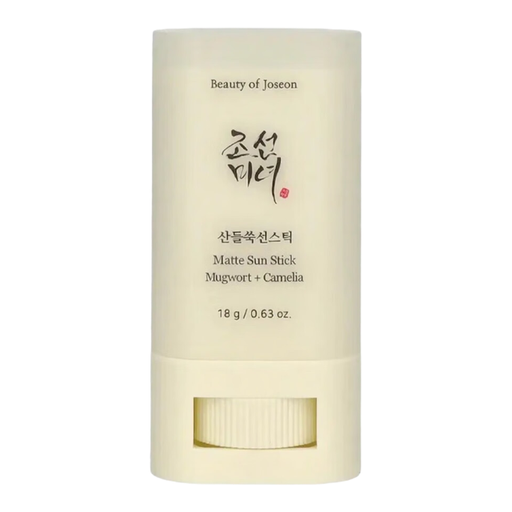
Why this product suits this profile: The compact stick format is ideal for reapplying on the go, for example during your commute or when spending longer periods outdoors.
The matte application reduces the risk of a very shiny finish. For an initial, even layer, a lotion or cream is still easier to measure and spread.
SPF 50+ with UVA and UVB protection, mattifying silica and hands-free application in compact packaging.
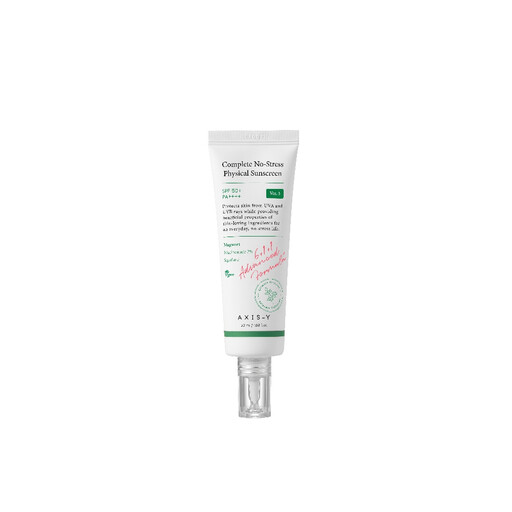
Why this product suits this profile: According to the product information, the mineral formula with zinc oxide contains no added fragrance and is aimed at people who prefer a physical sunscreen.
The formula uses zinc oxide and, according to the supplier, a non-chalky texture. A 24-hour skin test is recommended, although individual reactions are still possible.
SPF 50, PA++++, zinc oxide, centella and squalane; according to the product information, it is suitable for use under make-up.
We have put together a complete, regularly updated list of products that fully meet these strict selection criteria and the safety regulations applicable in the EU.
Check the printed expiry date and batch information. Store sunscreen away from direct sunlight and excessive heat. Do not use the product on irritated, damaged or inflamed skin.
When exposed to the sun for longer periods, reapplying approximately every two hours is often recommended. Reapply after swimming, heavy sweating or towel-drying, regardless of whether the product is labelled as water-resistant.
Yes, provided the texture absorbs quickly and is not excessively sticky. Apply the sunscreen first and allow it to absorb briefly. If the product rolls or forms flakes, this may be caused by using too many skincare products, friction or an incompatible formula.
The expiry date and the period-after-opening symbol on the packaging are the key references. If the smell, colour or consistency changes, stop using the product. Storing it in a cool, dry place does not automatically extend the stated shelf life.