
Lieferung heute & morgen

Qualitätsgarantie

Willkommens-Angebote freischalten: KOSTENLOSE Lieferung | Bis zu 80 % RABATT | Kostenlose 30-Tage-JoyPlus-Testphase
App herunterladen
Finding the right SPF 50 face sunscreen can quickly become overwhelming. The market offers a vast array of products, all promising high-level protection. However, not every formula delivers on its promise or suits your skin's individual needs. Many products leave a sticky film, a visible white cast, or don't sit well under makeup.
This guide will help you identify the key criteria and avoid marketing traps. This way, you can find a sunscreen that not only protects but also seamlessly integrates into your daily skincare routine.
Before we dive into the selection criteria, it's helpful to clarify two common misconceptions that often lead to unsatisfactory purchases.
To make an informed decision, you should consider three central aspects. These are the primary determinants of your sunscreen's protective efficacy, feel on the skin, and added benefits.
Sunscreen products use different filters to protect the skin from UV radiation. The choice of filter system influences texture and application.
Many modern products, especially Korean sunscreens, use a combination of both filter types to merge broad-spectrum protection with a pleasant texture.
For daily application, the feel on the skin is critical. A non-greasy sunscreen with a pleasant finish is more likely to be used consistently. Pay attention to the texture description:
A modern SPF 50+ sunscreen can do more than just protect. Many formulations are enriched with active ingredients that offer additional skincare benefits:
A tinted sunscreen can also even out minor imperfections and create a more uniform complexion.
Here are some product recommendations tailored to specific needs and skin types.
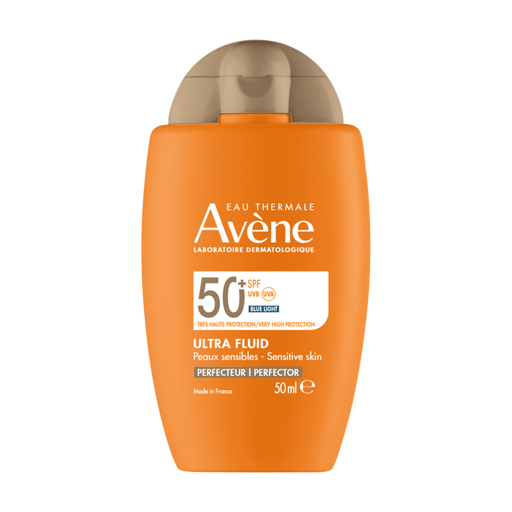
Why This Fits Their Persona: This sunscreen is specifically designed for the needs of sensitive skin. Its fragrance-free formula minimises the risk of irritation, while the ultra-light fluid texture feels comfortable on the skin.
This product avoids the "one-size-fits-all" trap by clearly focusing on a target audience: individuals with sensitive skin who require high tolerability.
Offers protection against UVB, UVA, and short-wave blue light (HEV) with its TriAsorB filter system. The universal tint subtly evens out skin tone.
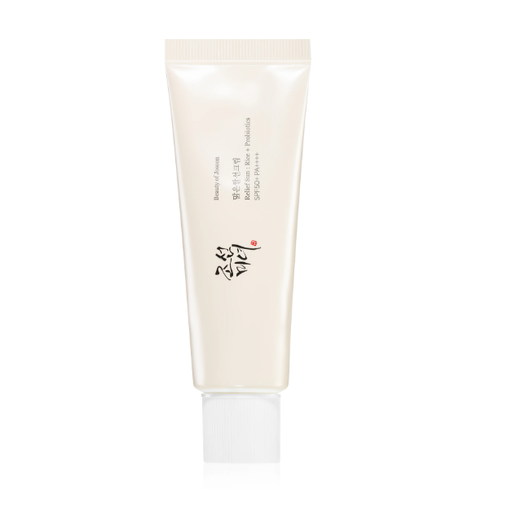
Why This Fits Their Persona: The creamy yet lightweight texture of this Korean sunscreen absorbs like a moisturiser, leaving no sticky residue. This makes it an ideal base for foundation and other makeup products without causing "pilling."
This product debunks the myth that high protection must be heavy and greasy. The formula is explicitly designed for a comfortable, invisible feel that integrates perfectly into a makeup routine.
Enriched with 30% rice extract and grain-fermented extracts that nourish and hydrate the skin. It provides high protection with SPF 50+ and PA++++.
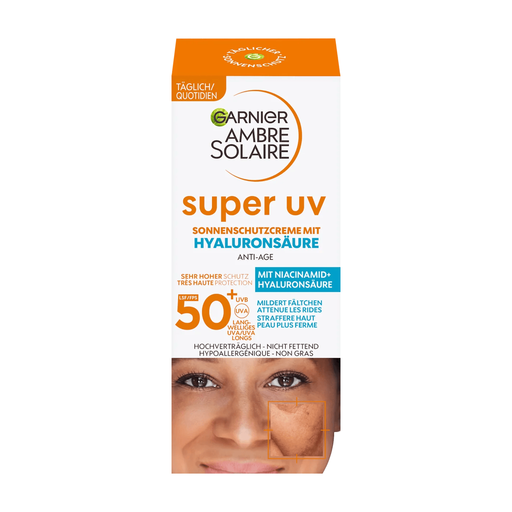
Why This Fits Their Persona: For those who expect more than just protection from their sunscreen. The formula is enriched with hyaluronic acid and Vitamin B3 (Niacinamide) to counteract signs of aging like fine lines and wrinkles.
Instead of just using "anti-aging" as a buzzword, this product specifically integrates well-known active ingredients with proven hydrating and skin-refining properties.
Combines high protection against UVA, UVB, and long-UVA rays with a hydrating, ultra-light formula that absorbs quickly.
We've compiled a complete, up-to-date list of products that fully meet these strict selection criteria and European safety regulations.
A common and practical method for dosing is the two-finger rule. Dispense two strips of sunscreen onto your index and middle fingers. This amount is generally sufficient to adequately protect your face and neck. Applying too little significantly reduces the stated sun protection factor.
Yes, year-round application is recommended. While UVB radiation (responsible for sunburn) is weaker in winter, UVA rays, which penetrate deep into the skin and contribute to premature skin aging, remain consistently present throughout the year. Daily broad-spectrum protection with SPF 50 is therefore a sensible preventative measure against skin aging.
This depends on your skin type. For those with oily or combination skin, a moisturizing sunscreen may be sufficient to provide care for the skin in the summer. For dry or very dry skin, it is often advisable to apply sunscreen as the final step after your usual moisturizer to ensure sufficient hydration.