
Lieferung heute & morgen

Qualitätsgarantie

Willkommens-Angebote freischalten: KOSTENLOSE Lieferung | Bis zu 80 % RABATT | Kostenlose 30-Tage-JoyPlus-Testphase
App herunterladen
An SPF 50 face sunscreen should feel comfortable to wear every day while offering very high UVB protection. But the number on the packaging isn’t the only thing to consider. Texture, UVA labelling, water resistance and how well it suits your skin all help determine whether you’ll use it regularly and apply enough.
The SPF rating primarily indicates protection against UVB rays, which are associated with sunburn. For everyday use, clearly stated UVA protection is also important. Look for labels such as ‘UVA’ in a circle or a balanced broad-spectrum claim. Korean products may use PA++++. A sunscreen with SPF 50 but no clear UVA labelling isn’t automatically the right choice for your face.
Water-resistant sunscreen may stay on for longer than a non-water-resistant formula when exposed to water or sweat. However, swimming, towel-drying, rubbing and heavy sweating can still make the protective layer uneven. You should reapply water-resistant sunscreen after these activities too.
A sunscreen fluid, sun gel or sun serum may feel lightweight, but depending on the formula it could contain ingredients such as alcohol, fragrance or certain filters that don’t suit everyone. If you have sensitive or irritated skin, check the full INCI list and test the product on a small area first. Stop using it if you experience stinging, redness or itching.
SPF 50 or SPF 50+ indicates very high UVB protection under standardised test conditions. In practice, people often apply too little. Apply a generous, even layer to your face and neck; the two-finger rule for the face and neck is a commonly used guide. Always follow the specific application instructions on the packaging.
Your sunscreen should also offer clearly stated UVA and UVB protection. This is particularly important if you use SPF 50 face cream every day and spend long periods outdoors.
A matte finish can feel comfortable on oily skin. On dry skin, however, a very mattifying formula may leave your skin feeling tight.
A sweat-resistant formula can be practical for commuting, hiking, cycling or sport. Check whether the manufacturer specifically states that the product is water- or sweat-resistant. ‘Long-lasting’ isn’t a standard technical claim and shouldn’t be taken as a substitute for specific application instructions.
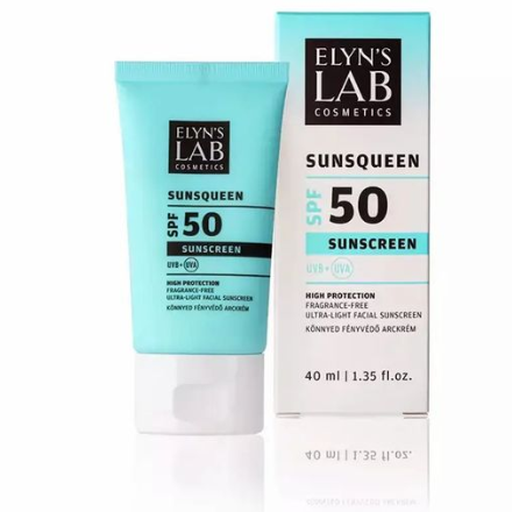
Why it suits this profile: The water-based Aqua texture is designed for fuss-free daily facial care and can be worn under make-up.
The product description specifies SPF 50 and UVA and UVB protection, and highlights a lightweight application that doesn’t leave a white cast.
The ingredient list includes hyaluronic acid and panthenol. The formula is described as fast-absorbing and leaving no white cast.
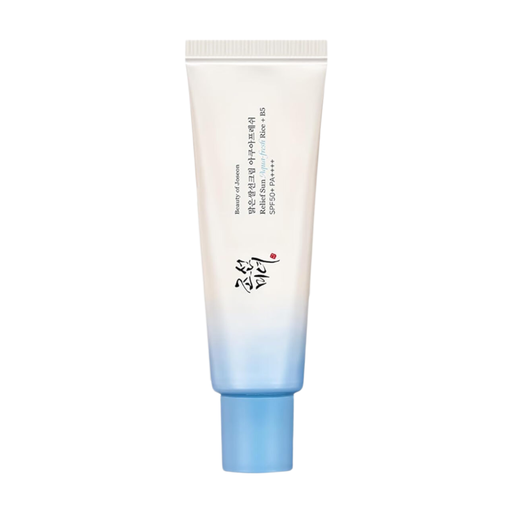
Why it suits this profile: This Korean sunscreen combines SPF50+ PA++++ with a light, lotion-like texture for everyday use.
The product information describes an application that leaves no white cast or sticky finish. Regular reapplication is still essential.
Contains Rice Seed Water and panthenol, and is labelled SPF50+ and PA++++.
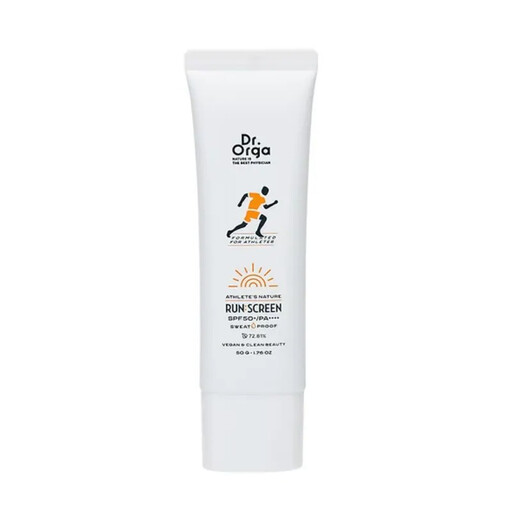
Why it suits this profile: The product description is aimed at runners and outdoor enthusiasts, and highlights sweat resistance and a non-sticky feel.
The product information distinguishes sweat-resistant use from everyday use, and recommends reapplying after swimming, sweating or towel-drying.
The product description mentions SPF50+ PA++++, Centella asiatica extract and aloe vera leaf extract.
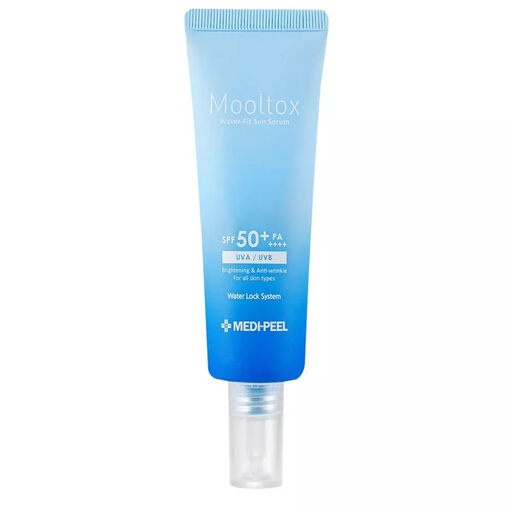
Why it suits this profile: The serum texture is designed to leave skin feeling moisturised and can be applied as the final step in your skincare routine.
The product information describes a non-sticky texture and gives specific guidance to reapply after two hours and after contact with water or sweat.
The ingredient list includes hyaluronic acid, ectoin, ceramides and panthenol. The product is labelled SPF50+ and PA++++.
We’ve put together a complete, regularly updated list of products that meet these strict selection criteria and fully comply with the safety regulations in force in the EU.
Apply SPF 50 face sunscreen as the final step in your morning skincare routine. Reapply regularly if you’ll be spending a long time in the sun. Don’t forget easy-to-miss areas such as your ears, hairline, neck and around your lips. Sunscreen should also be used alongside other protective measures, including seeking shade, wearing clothing and putting on a hat.
If you have sensitive skin, check for fragrance and alcohol, and consider how your skin reacts to the product. Testing a small area can help you spot unwanted reactions early. Once opened, use products in line with the packaging instructions and avoid leaving them exposed to high temperatures for long periods, such as in a car.
If you’re spending a long time in the sun, it’s a good idea to reapply regularly, often around every two hours. After swimming, heavy sweating, towel-drying or rubbing, reapply regardless of the original SPF rating.
SPF 50 refers to the level of protection and doesn’t tell you how well a product will suit your skin. For sensitive skin, the full ingredient list, fragrance, alcohol and your individual reaction all matter. If you have an existing skin condition, it may be worth seeking medical advice.
Many lightweight sunscreen fluids, sun gels and serum textures are designed to be worn under make-up. Let the sunscreen absorb briefly, then apply your make-up. The key is to apply enough sunscreen rather than using less to achieve a flawless make-up finish.