
Lieferung heute & morgen

Qualitätsgarantie

Willkommens-Angebote freischalten: KOSTENLOSE Lieferung | Bis zu 80 % RABATT | Kostenlose 30-Tage-JoyPlus-Testphase
App herunterladen
SPF 50 face sunscreen is part of many people’s morning skincare routine. Yet it’s easy to end up with the wrong product: it may start to look shiny after a short time, pill under make-up or leave dry skin feeling tight. A high sun protection factor alone doesn’t tell you whether a product suits your skin type or daily routine.
The SPF value mainly indicates protection against UVB rays, which contribute to sunburn. For everyday sun protection, you should also look for clearly stated UVA protection. European products often display the UVA symbol inside a circle, while Korean and Japanese sunscreens often also use the PA rating, such as PA++++.
No sunscreen lets you stay in the sun indefinitely. Wearing a hat and sunglasses, seeking shade and avoiding the strongest midday sun are still sensible precautions.
A non-greasy sunscreen can feel comfortable on oily or blemish-prone skin. On dry or mature skin, however, a highly mattifying texture may feel uncomfortable. As well as the finish, consider humectants such as glycerin or hyaluronic acid, and how well your skin tolerates the filters and other ingredients.
A tinted face sunscreen can help even out the appearance of redness or an uneven complexion. However, it won’t necessarily replace foundation. The colour can look different depending on your skin tone, undertone and how much you apply. With Avène and similar products, it’s worth testing the shade along your jawline and neck if possible.
For everyday sun protection on your face, SPF 50 or SPF 50+ is a good guide if you’re looking for very high UVB protection. Also check:
Applying too little will significantly reduce the protection you get. The two-finger rule is often used as a practical guide for the face and neck. Always follow the directions on the packaging.
Check the current INCI list on the packaging, as formulas can change. For example, fragrance is listed for TOCOBO, KOSÉ, Sesderma and some other products. This may be relevant if you have sensitive skin. A patch test on a small area of skin is particularly useful if your skin is sensitive or reactive.
Apply sunscreen as the last step in your morning skincare routine. Before spending a long time in the sun, apply it well in advance, and reapply after sweating, swimming, drying yourself or rubbing your skin.
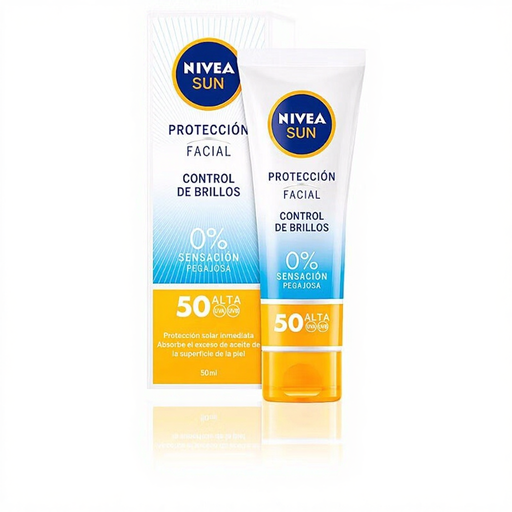
Why this product suits this profile: This 50ml face formula is aimed at people looking for SPF 50 and a less shiny finish for everyday use.
The product description highlights Shine Control and lists tapioca starch and silica in the INCI list. Still, check whether Alcohol Denat. and Parfum suit your skin.
SPF 50, 50ml and a formula designed for less shine on the face.
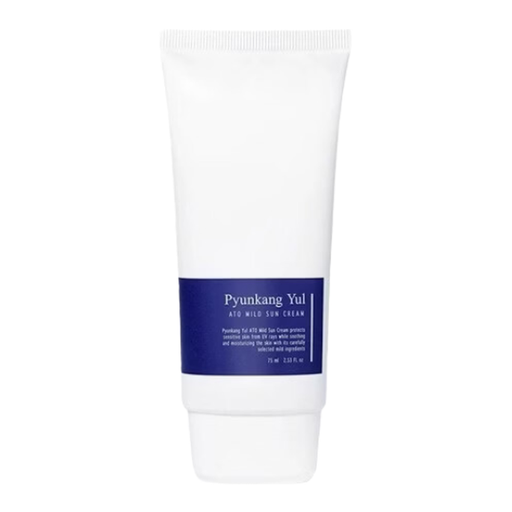
Why this product suits this profile: According to the product description, the ATO range is designed for sensitive, dry and atopy-prone skin.
The description states that it has a light, non-greasy texture and leaves little visible residue. Stop using it if irritation occurs.
SPF 50, PA++++, 75ml and a product positioned for sensitive skin.
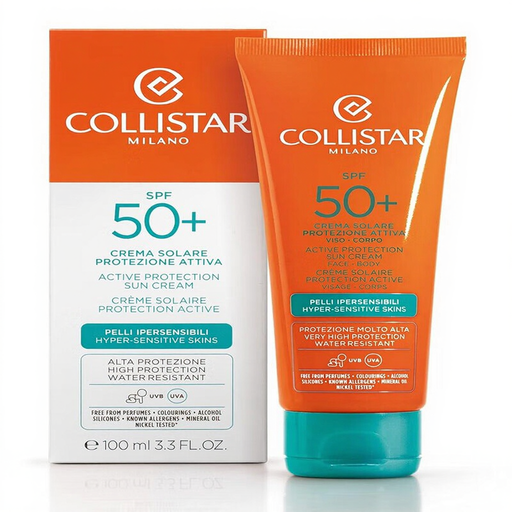
Why this product suits this profile: The 100ml size may appeal if you want to use the same sunscreen on your face and body.
Its face-and-body label means you may not need to buy a separate product. Check the packaging for details on water resistance and how to apply it.
SPF 50+, 100ml and suitable for use on the face and body.
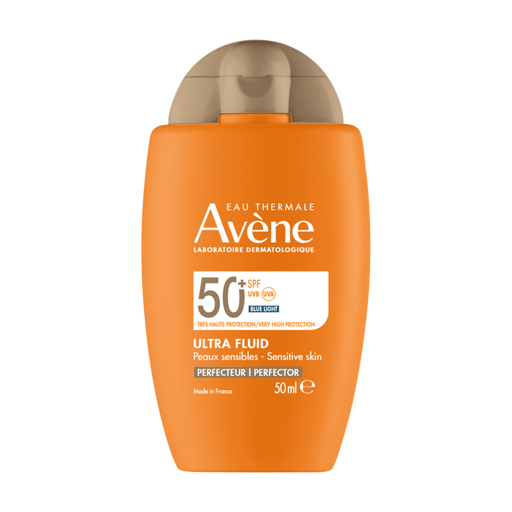
Why this product suits this profile: This tinted, ultra-fluid product is designed for people looking to combine everyday UVA and UVB protection with a light touch of coverage.
The product description notes that the universal tint may look different on different skin tones. It’s therefore worth testing it along your jawline and neck.
SPF 50+, UVA/UVB protection, an ultra-light texture, a universal tint and, according to the product information, a fragrance-free formula.
We’ve put together a complete, regularly updated list of products that meet these strict selection criteria and the safety regulations in force in the EU.
Using enough sunscreen is essential for your face and neck. The two-finger rule is often used as a practical guide: apply a strip of cream along your index and middle fingers for your face and neck. Always follow the instructions from the manufacturer of your product.
Check the PAO symbol on the packaging, for example ‘12M’. You should also check the printed best-before or expiry date. If the smell, colour or consistency changes, stop using the product. Heat and direct sunlight can affect the formula.
Reapply if you’ll be outdoors for a long time, or after sweating, swimming, drying yourself or rubbing your skin. If you’re in an office and out of direct sunlight, how often you need to reapply will depend on your circumstances. If you’re going hiking, cycling or spending the day at the beach, plan to reapply from the outset.