
Lieferung heute & morgen

Qualitätsgarantie

Willkommens-Angebote freischalten: KOSTENLOSE Lieferung | Bis zu 80 % RABATT | Kostenlose 30-Tage-JoyPlus-Testphase
App herunterladen
An SPF 50 face sunscreen should provide reliable everyday protection, spread comfortably and work well with the rest of your skincare routine and make-up. But many buying decisions come down not to the sun protection factor itself, but to the texture, how it applies and whether the level of UVA protection is clearly stated.
The SPF rating mainly indicates protection against UVB rays, which are associated with sunburn. For everyday sun protection on your face, clearly stated UVA protection matters too. Korean and Japanese products often carry the PA++++ rating, which supplements the SPF with an indication of UVA protection.
A high SPF also doesn’t make up for using too little product. If you don’t apply enough sunscreen, the protection you actually get will be lower than the value stated on the packaging.
A watery texture that absorbs quickly can feel comfortable for everyday use. However, it may contain alcohol, fragrance or other ingredients that not everyone’s skin tolerates equally well. If your skin is sensitive or prone to redness, it’s worth checking the full INCI list.
Terms such as ‘non-greasy sunscreen’, ‘non-comedogenic’ and ‘for sensitive skin’ are no guarantee that a product will suit you personally. When trying a new product, it’s a good idea to test it on a small area of skin first.
Mineral filters, colour pigments and certain texturisers can leave a visible film. If you’re looking for a sunscreen with no white cast, try transparent or lightly tinted formulas. A tone-up product can make your complexion look brighter, but may look different from what you expect on darker skin tones.
SPF 50 or SPF 50+ is a popular level of protection for everyday use on your face. Also look for a clear UVA rating. For products from Korea or Japan, PA++++ sunscreen is a common indication of high UVA protection.
These ratings don’t mean you can stay in the sun indefinitely. Seeking shade, wearing clothing and a sun hat, and avoiding the strongest midday sun are still important.
A water-resistant sunscreen is a good choice for swimming, sport and heavy sweating. But water-resistant doesn’t mean its protection stays the same after every contact with water. Reapply after drying off, swimming or sweating heavily.
You’ll need to apply a generous, even amount to your face and neck. As a practical guide, around two finger lengths is often suggested for the face and neck, but follow the dosage instructions on the product first. If you’re spending a long time outdoors, regular reapplication is essential.
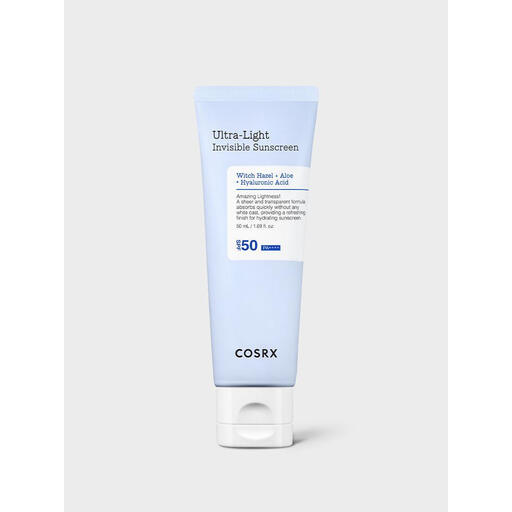
Why this product suits this profile: According to the brand’s product description, this formula offers SPF 50 and PA++++ in a lightweight, transparent texture. It’s a good fit if you’re looking for an uncomplicated SPF 50 face sunscreen to use every morning.
The product description says it applies transparently, without a sticky feel or visible white cast. Check the current packaging details before buying.
SPF 50, PA++++, plus aloe, niacinamide, panthenol and sodium hyaluronate, according to the product description.
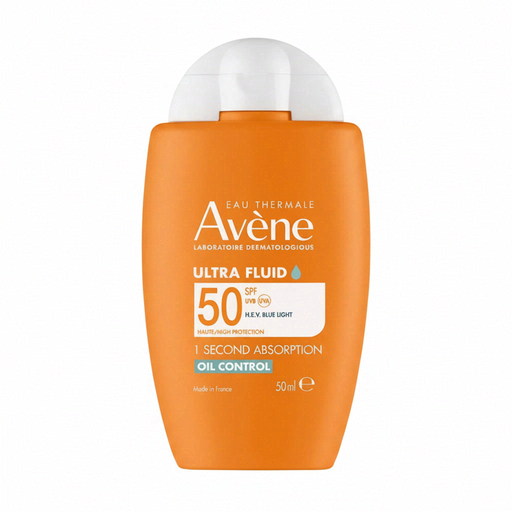
Why this product suits this profile: According to Avène’s product description, Ultra Fluid Oil Control SPF50 is designed for oily, sensitive skin and can be used as a make-up base.
The product description highlights an ultra-fluid, non-sticky texture and a fragrance-free, water-resistant formula.
SPF 50, an oil-control formula, easy spreading and water resistance, according to the product description.
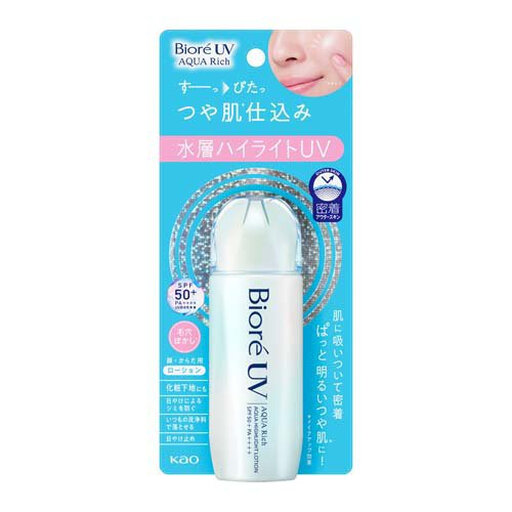
Why this product suits this profile: According to Kao’s product description, this sunscreen is suitable for the face and body, offers SPF50+ PA++++ and is specifically described as water-resistant.
The product description refers to an 80-minute water-resistance test. You’ll still need to reapply after swimming, sweating or drying off.
SPF50+ PA++++, suitable for the face and body, and water-resistant, according to the product description.

Why this product suits this profile: According to Beauty of Joseon’s product description, this cream combines SPF50+ PA++++ with a nourishing, lotion-like texture, plus rice and fermented grain extracts.
The product description says it applies without feeling sticky and should remain comfortable even when layered. Skin compatibility varies from person to person.
SPF50+ PA++++, rice extract, niacinamide and a creamy, lightweight texture, according to the product description.
We’ve put together a complete, regularly updated list of products that meet these strict selection criteria and fully comply with the safety regulations in force in the EU.
Apply your face sunscreen as the last step in your morning skincare routine. Spread it evenly over your face, ears and neck, then give it a moment to absorb before applying make-up. If you’ll be outdoors for a long time, reapply regularly. Apply another layer after heavy sweating, swimming or drying off.
If you experience burning, itching or redness, wash the product off and stop using it. Always follow the information on the packaging and the INCI list, as formulas can change.
If you’re spending a long time in the sun, it’s often recommended that you reapply about every two hours. Reapply after swimming, heavy sweating or drying off, regardless of how long it’s been.
SPF 50 or SPF 50+ is a high level of protection that many adults prefer for everyday sun protection. Applying enough, spreading it evenly and choosing a product with clearly stated UVA protection all remain important. SPF doesn’t let you stay in the sun indefinitely.
Check the open-jar symbol, the best-before date and the batch details on the packaging. Heat and direct sunlight can affect product quality. Store your sunscreen in a cool, dry place as directed by the manufacturer, and replace it if you notice a change in smell, colour or consistency.