
Lieferung heute & morgen

Qualitätsgarantie

Willkommens-Angebote freischalten: KOSTENLOSE Lieferung | Bis zu 80 % RABATT | Kostenlose 30-Tage-JoyPlus-Testphase
App herunterladen
For many people, SPF 50 face sunscreen is part of their daily skincare routine. But having plenty of products to choose from doesn’t automatically make it easy to find the right one. Product names such as “Invisible”, “Airy Light” or “Shine Control” often describe how a sunscreen feels on your skin, but tell you little on their own about how well it suits your skin, its UVA protection or how it wears under make-up.
Keep these three common buying pitfalls in mind before you choose:
SPF 50 offers a high level of UVB protection. Also look for information about UVA protection, such as the UVA symbol on the packaging or an additional PA rating. Labelling can vary between brands and products.
For daily sun protection for your face, apply enough to cover your face, ears and neck. Using too little can significantly reduce the level of protection you actually get. Apply the product before going outdoors and reapply regularly.
If you have oily or combination skin, a mattifying sunscreen with a dry-touch or shine-control finish may feel more comfortable. For dry skin, look for hydrating ingredients such as glycerin, panthenol or sodium hyaluronate. If your skin is sensitive, check for fragrance, alcohol and the full INCI list.
A lightweight sunscreen or fluid often spreads easily under make-up. If you’re looking for a sunscreen that doesn’t leave a white cast, choose a transparent or “invisible” texture. However, the result can vary depending on your skin type, how much you apply and which products you use together.
Most products are applied as the final step in your morning skincare routine. Give your skincare products a little time to absorb before applying face sunscreen. If you’re spending longer in the sun, you’ll need to reapply regularly, especially after contact with water or sweat.
Also check:
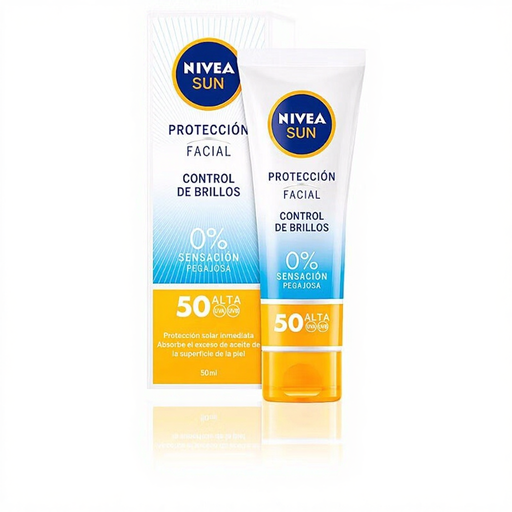
Why this product suits this profile: This 50 ml tube is aimed at people looking for an easy-to-use SPF 50 face cream with a mattifying finish for everyday use.
The product description highlights shine control, a lightweight texture and a non-comedogenic formula. If you have sensitive skin, check the ingredients list anyway, as it includes Alcohol Denat. and Parfum.
SPF 50, a mattifying formula and a face-friendly formulation designed for everyday use.
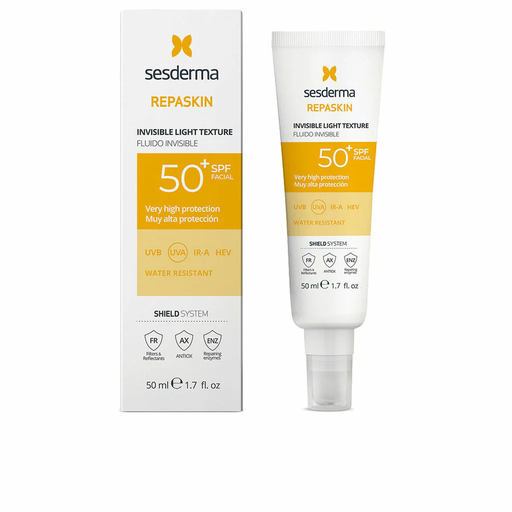
Why this product suits this profile: This fluid may appeal if you’re looking for a water-resistant sunscreen with a light, matte finish that can be worn under make-up.
The description highlights an invisible, non-greasy texture and water resistance. Even so, you’ll still need to reapply regularly if you’re spending a long time outdoors.
SPF 50, UVA/UVB protection, a matte invisible texture, 50 ml and water-resistant properties according to the product information.
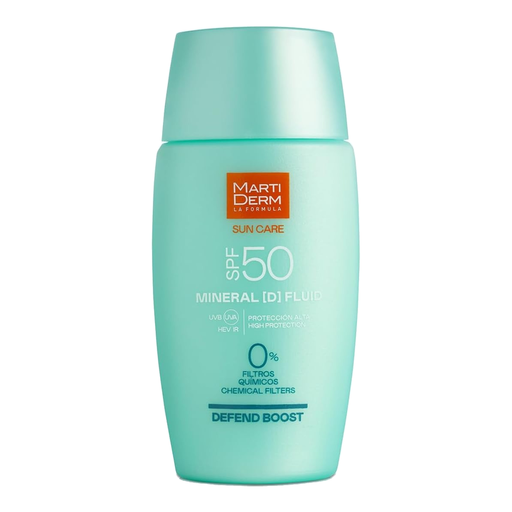
Why this product suits this profile: According to the product information, this fragrance-free fluid is designed for sensitive skin and may suit people who reapply sunscreen frequently.
The product information describes a fragrance-free, water-resistant formula. If you have sensitive skin, test how it suits you before applying it more widely.
SPF 50, a fluid texture, a fragrance-free product claim and water-resistant properties according to the description.
We’ve put together a complete, regularly updated list of products that meet these strict selection criteria and fully comply with the safety regulations in force in the EU.
It’s important to apply a generous, even amount to your face and neck. A commonly used guide is the two-finger rule: squeeze sunscreen in two long lines along your index and middle fingers. The amount you need may vary depending on the product and the size of your face. Always follow the instructions on the packaging.
Yes, many lightweight fluids and invisible formulas are designed to be worn under make-up. Apply your skincare first, then your sunscreen, and leave it to absorb for a short while. When topping up over make-up, a sun protection stick or carefully applying another layer may be more practical. Make sure the protection is still spread evenly over your skin.
Check the open-jar symbol, the best-before date and the information on the packaging. Heat and direct sunlight can affect product quality, so store your face sunscreen somewhere cool and dry. If its smell, appearance or feel on your skin has changed, don’t use it.