
Lieferung heute & morgen

Qualitätsgarantie

Willkommens-Angebote freischalten: KOSTENLOSE Lieferung | Bis zu 80 % RABATT | Kostenlose 30-Tage-JoyPlus-Testphase
App herunterladen
By: Joybuy Product Recommendation OfficerDate: August 29, 2026
The search for the right SPF 50 face sunscreen can quickly become overwhelming. The market offers a vast array of products, all promising superior efficacy. However, not every formula lives up to its claims or is suitable for daily use. Many users invest in products that feel heavy on the skin, leave an unsightly white cast, or exacerbate shine on oily skin.
This guide will help you identify the crucial features and sidestep common marketing traps. We focus on the objective criteria that define a high-quality facial sunscreen, enabling you to make an informed decision for your skin type and needs.
Before we dive into the selection criteria, it's important to understand the common issues that can lead to purchase regret:
To make the right choice, you should focus on three key technical features. These determine the product's efficacy, how it feels on your skin, and its suitability for your daily routine.
The type of UV filter is crucial for texture and skin compatibility.
While SPF (Sun Protection Factor) indicates UVB protection, UVA protection is just as vital for daily facial sun protection. UVA rays penetrate deeper into the skin and are responsible for wrinkles and pigmentation spots. The PA System (Protection Grade of UVA), developed in Asia, is a helpful indicator:
For effective anti-aging protection, a rating of PA++++ is recommended.
The base formula determines whether you will enjoy using your sunscreen.
Here are some product recommendations tailored to different user profiles, taking the above criteria into account.
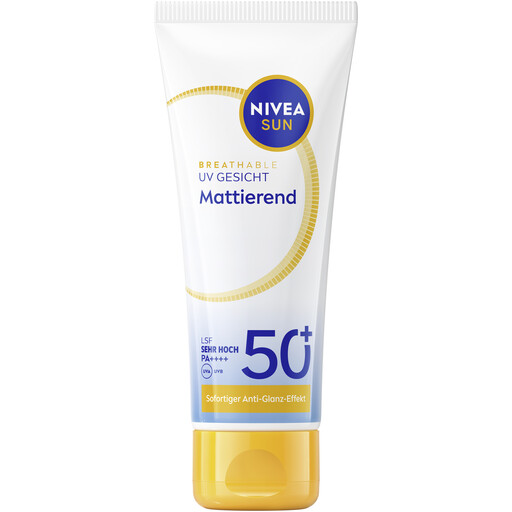
Why It's a Match: This sunscreen is specifically formulated for a long-lasting anti-shine effect. Its lightweight formula is ideal for daily use, even under makeup, without leaving a greasy feeling or clogging pores.
The formulation with tapioca starch directly addresses the "greasy feel" trap of many sunscreens, delivering a proven mattifying finish.
Provides an instant and long-lasting mattifying effect. The formula is designated as non-comedogenic, meaning it won't clog pores.
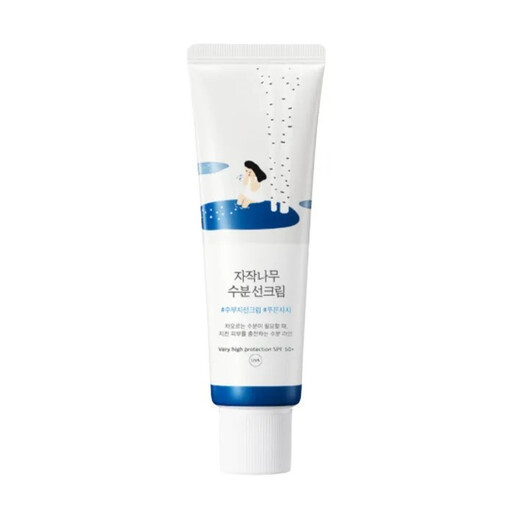
Why It's a Match: This Korean sunscreen feels more like a hydrating lotion. The formula, with birch sap and hyaluronic acid, intensely moisturises and soothes the skin, making it ideal for those prone to dryness and sensitivity.
Bypasses the "drying effect" of some high-protection products and solves the "white cast" problem thanks to its lightweight, fast-absorbing texture.
Intensely hydrates and soothes the skin. The SPF 50+ and PA++++ formula absorbs quickly without leaving a white film.
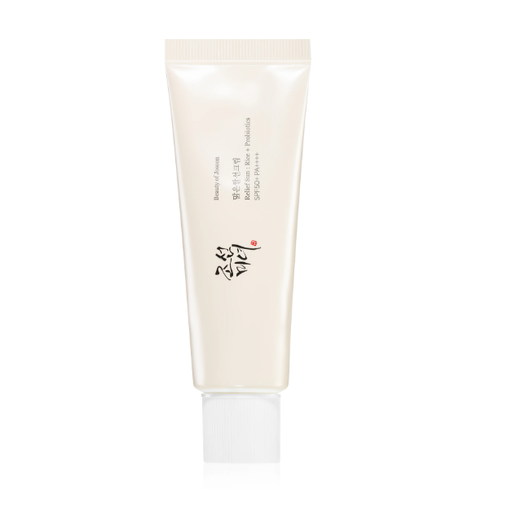
Why It's a Match: This product embodies the Korean skincare philosophy: high protection combined with nourishing ingredients like rice extract and probiotics. Its serum-like texture is a hallmark of modern K-Beauty sunscreens.
Solves the problems of white cast and a heavy skin feel by delivering high protection (SPF 50+ and PA++++) in a barely-there, nourishing formula.
Lightweight, hydrating texture that feels like a light moisturiser. Leaves a radiant finish without being sticky or leaving a white cast.
We have compiled a complete, real-time updated list of products that fully meet these strict selection criteria and UK/EU safety regulations.
A common guideline is the "two-finger rule." Dispense two strips of sunscreen onto your index and middle fingers. This amount is generally sufficient for the face and neck to achieve the SPF level stated on the packaging. Applying too little significantly reduces protection.
Yes, daily application is recommended. UVA rays, which are responsible for skin aging, penetrate clouds and window glass and are present all year round. Therefore, daily facial sun protection is one of the most fundamental measures for preventing premature skin aging and damage.
The term "non-comedogenic" means the formula is designed not to clog pores. This is particularly important for individuals with acne-prone, oily, or combination skin, as clogged pores can lead to blackheads and pimples. Products with this label are generally a safer choice for avoiding breakouts.