
Lieferung heute & morgen

Qualitätsgarantie

Willkommens-Angebote freischalten: KOSTENLOSE Lieferung | Bis zu 80 % RABATT | Kostenlose 30-Tage-JoyPlus-Testphase
App herunterladen
An SPF 50 face sunscreen needs to do more than offer a high sun protection factor. It should feel comfortable to apply, work well under make-up and suit your individual skin needs. And eye-catching claims such as “invisible”, “water-resistant” or “for all skin types” don’t automatically mean a product is right for you.
The SPF rating mainly describes protection against UVB rays, which are associated with sunburn. For everyday use, it’s also important to look for a stated level of UVA protection. Many Korean and Japanese products use the PA++++ rating for this. Products labelled SPF 50+ and PA++++ therefore indicate a high level of protection against both UVB and UVA rays.
However, no sunscreen allows you to stay in the sun indefinitely. Applying enough product and reapplying regularly are still essential.
A sunscreen that leaves no white cast may blend in seamlessly across different skin tones. However, the result also depends on how much you apply, the skincare underneath and the UV filters in the formula. Mineral filters such as zinc oxide or titanium dioxide can leave visible residue, while transparent or organic filters are often easier to blend in.
A dewy finish isn’t practical for everyone either: it can look more noticeable on oily skin. If you prefer a more subtle finish, look for terms such as “matt”, “invisible” or “lightweight”, and check the ingredients list.
“Water-resistant” doesn’t mean the protection stays the same after swimming or drying yourself. Even with a product labelled water-resistant, you should reapply after swimming, sweating or drying off. Water-resistant sunscreen may also need a more thorough cleanse than a lightweight daily formula.
SPF 50+ is a popular choice for intense sunshine, fair skin or spending longer periods outdoors. Also look for a clear UVA rating, such as PA++++ or the UVA symbol on the product.
You’ll need to apply a generous amount to your face and neck. The two-finger rule is often used as a handy guide. If you apply much too little, the formula won’t provide the level of protection stated on the packaging.
Fast-absorbing fluids, serums and lightweight emulsions work well as sun protection under make-up. Waiting a short while between applying sunscreen and foundation can help reduce pilling. If you’re considering a glow or tone-up product, check that its tint suits your skin tone.
How you remove sunscreen depends on its formula. Some products can be washed off with a facial cleanser, according to the product information, while others may also require a cleansing oil or make-up remover.

Why this product suits this profile: Its creamy yet lightweight texture is designed for those who want to combine skincare and UV protection in their daily routine.
The product description says it leaves a non-sticky finish, even when applied in multiple layers. This makes it suitable for reapplication and use under make-up.
SPF 50+ PA++++; the formula is stated to contain rice extract and fermented grain extracts.
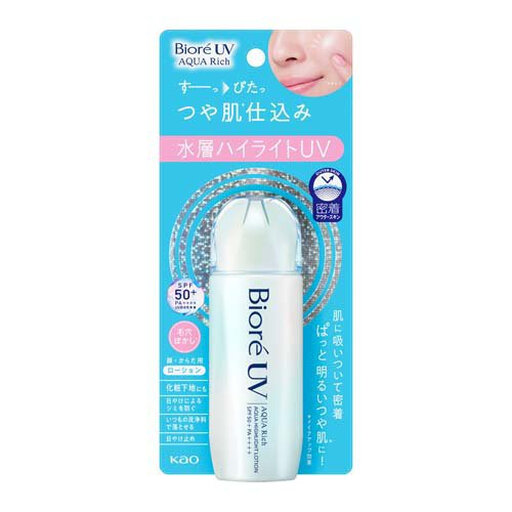
Why this product suits this profile: Its larger 70ml size and stated water resistance make it a good fit for frequent outdoor activities and use on the face and body.
The product information states that it is water-resistant for 80 minutes. You’ll still need to reapply after swimming, sweating or drying off.
SPF 50+ PA++++; 80-minute water resistance and a luminous finish with reflective particles, according to the product description.
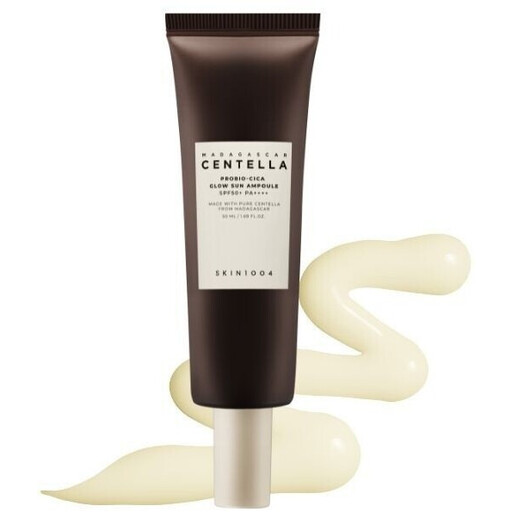
Why this product suits this profile: According to the product description, its ampoule texture is designed to leave a lightweight, satin-like finish without a visible white cast.
The product information describes an alcohol-free formula with a satin-like rather than highly glossy finish. How well individual ingredients suit your skin will still vary.
SPF 50+ PA++++; the listed INCI ingredients include Centella asiatica extract, niacinamide, panthenol and ceramide NP.
We’ve put together a comprehensive, regularly updated list of products that meet these strict selection criteria and fully comply with the safety regulations in force in the EU.
Apply sunscreen as the last step in your morning skincare routine. If you’re wearing make-up, let the product absorb fully before applying foundation or concealer. Reapply regularly when outdoors, especially after sweating, swimming or drying yourself with a towel.
If you have sensitive skin, check the full INCI list. Fragrance, alcohol or certain UV filters may cause irritation for some people. Stop using the product if you experience redness, stinging, itching or swelling. Sunscreen should not be applied to broken or inflamed skin.
Lightweight fluids, gel textures and easy-to-spread emulsions are often a better choice than very rich creams. Even application, a short wait for the product to absorb and minimal rubbing when applying make-up all make a difference. A glow finish can brighten your complexion, while a mattifying formula may be more practical for oily skin.
If you’re spending a long time in the sun, reapply regularly. Reapplication is particularly important after swimming, heavy sweating or drying off. Check the packaging for the product’s specific water resistance rating; it doesn’t mean the protection lasts indefinitely.
Check the best-before date and the PAO symbol on the packaging. Heat, direct sunlight and leaving the product open for long periods can affect its quality. Close the tube or bottle after use and store it somewhere dry and away from high temperatures.