
Lieferung heute & morgen

Qualitätsgarantie

Willkommens-Angebote freischalten: KOSTENLOSE Lieferung | Bis zu 80 % RABATT | Kostenlose 30-Tage-JoyPlus-Testphase
App herunterladen
An SPF 50 face sunscreen should be reliable for everyday use, work well under make-up and suit your skin. However, eye-catching marketing claims do not automatically lead to the right purchasing decision. The key factors are the stated level of protection, the texture, the ingredients and how likely you are to apply the product generously and regularly in real life.
The sun protection factor (SPF) mainly describes protection against UVB radiation, which plays a major role in causing sunburn. For daily sun protection, you should also look for clearly stated UVA protection. For products sold on the European market, the UVA symbol in a circle on the packaging can provide useful guidance. Korean sunscreens often use the PA++++ rating. This is a separate UVA protection system and should not be equated with the SPF value.
An SPF 50+ face sunscreen may contain nourishing ingredients such as glycerin, hyaluronic acid, panthenol or niacinamide, yet feel different depending on your skin type. Alcohol, fragrance or certain emollients may not suit everyone. If you have sensitive skin, check the complete INCI list and test the formula on a small area of skin first.
A thin layer reduces the actual level of protection. For the face and neck, the so-called two-finger method is often used as a practical guide: apply two strips of product along your index and middle fingers. The exact amount depends on the product’s texture and packaging. Reapplication is necessary after heavy sweating, swimming, drying yourself or spending a long time outdoors. A face cream with sun protection should also not be applied only to the nose and cheeks.
For adults who need a high level of daily sun protection, SPF 50 or SPF 50+ is an obvious choice. SPF 30 may appear sufficient for shorter everyday journeys, but it provides a different stated level of UVB protection. For pigmentation or photosensitive skin, a high level of UVA and UVB protection is particularly important. However, sunscreen is not a medical product and does not replace advice from a dermatologist.
Also check:
A face sun fluid or watery lotion is usually easier to incorporate into a morning skincare routine than a rich cream. For sun protection under make-up, quick absorption, low stickiness and an even finish are practical criteria. A “glow” effect may be desirable, while a matte finish is often better suited to oily or shine-prone skin.
Hyaluronic acid can be used as a humectant. Niacinamide, centella asiatica extract and panthenol are common ingredients in modern formulas. However, this should not be taken to imply a therapeutic effect. The overall formula, your individual tolerance and correct application are more important than any single highlighted ingredient.
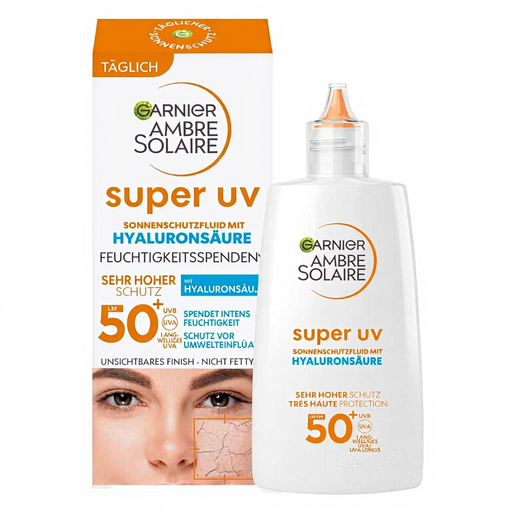
Why this product suits this profile: This fluid is intended for daily use on the face and, according to the product description, can be worn under make-up. Its stated texture is designed to leave a matte, non-greasy finish.
The fluid texture and invisible finish help you avoid using an overly heavy day cream as sun protection.
SPF 50+, 40 ml format, hyaluronic acid in the ingredients list and a matte finish described by the seller.
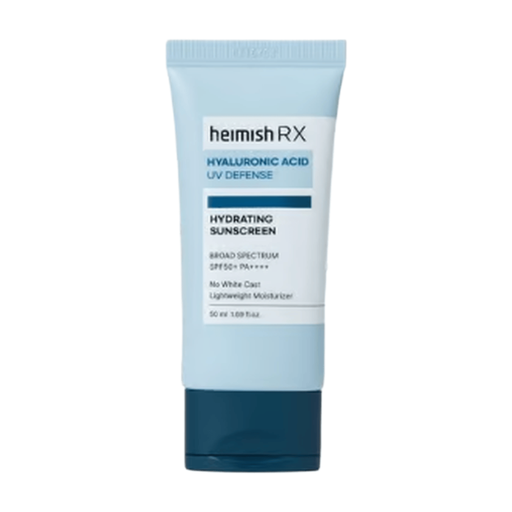
Why this product suits this profile: This Korean sunscreen combines SPF50+ with PA++++ and a watery lotion texture. It is a good match for those who want high protection with a lightweight texture that works well under make-up.
The product details explicitly state that it has a non-sticky texture without a visible white cast. This makes it easier to apply under make-up.
50 ml contents, SPF50+ PA++++, plus hyaluronic acid and niacinamide according to the product description.
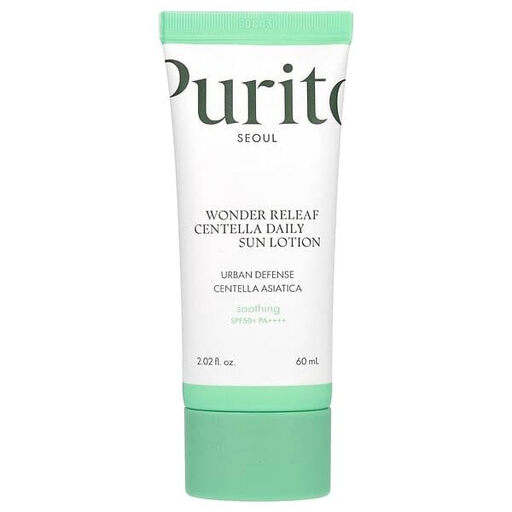
Why this product suits this profile: This lotion contains centella asiatica extract, several hyaluronic acid derivatives and panthenol. The product details describe it as a lightweight daily lotion suitable for all skin types.
The INCI list and product description make the nourishing ingredients clear, rather than relying on vague claims about “gentle care”.
SPF50, 60 ml contents, several forms of hyaluronic acid and, according to the seller, no common fragrance allergens.
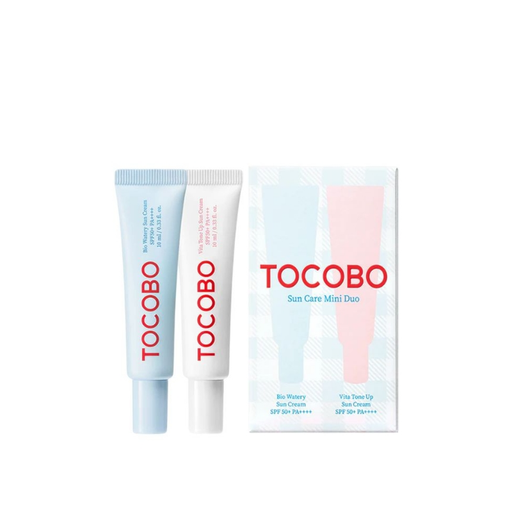
Why this product suits this profile: Two 10 ml products are ideal for travel, keeping in your handbag or trying out different textures. According to the product description, both variants are labelled SPF50+ PA++++.
The small sizes reduce the risk of buying a large pack with an unsuitable finish before testing the texture in everyday use.
Two formulas, travel-friendly format, SPF50+ PA++++, plus a moisturising and a lightly tone-correcting variant.
We have put together a complete, regularly updated list of products that fully meet these strict selection criteria and the safety regulations applicable in the EU.
Apply your face sunscreen as the final step in your morning skincare routine. Allowing a short absorption time between your skincare products, face sun fluid and make-up can help to prevent pilling. If you are spending longer periods outdoors, reapply regularly. A sun hat, sunglasses and shade complement sun protection, but do not replace it.
If you have sensitive skin, check the ingredients list for fragrance and alcohol. If you have a known allergy or experience persistent irritation, stop using the product and seek dermatological advice if necessary. Eyelids and lips may have separate usage instructions depending on the product.
The two-finger method is a practical guide for the face and neck. It is important to spread the product evenly and not miss sensitive areas such as the ears, hairline and neck.
The best-before date and the PAO symbol on the packaging are the key references. The symbol indicates, for example, how long the product can be used after opening. Heat, direct sunlight and frequent opening can affect product quality. Store the sunscreen in a dry place, do not leave it permanently in a hot car and follow the manufacturer’s instructions.
Yes, many lightweight fluids and lotions are suitable for this. Wait briefly after applying the sunscreen before using foundation or powder. The specific texture, the thickness of the layer and reapplication throughout the day are all important. Make-up alone does not provide reliably comparable UVA and UVB protection.