
Lieferung heute & morgen

Qualitätsgarantie

Willkommens-Angebote freischalten: KOSTENLOSE Lieferung | Bis zu 80 % RABATT | Kostenlose 30-Tage-JoyPlus-Testphase
App herunterladen
A SPF 50 face sunscreen should provide reliable everyday protection, feel comfortable on the skin and suit your individual skin type. Yet many purchasing decisions result in products that are barely used later on: the texture feels sticky under make-up, the fragrance irritates the skin or the tint does not match the wearer’s skin tone. A high sun protection factor is no substitute for careful application.
This buying guide explains which details really matter and which marketing claims you should examine more closely.
The SPF mainly describes protection against UVB radiation, which is associated with sunburn. For daily UV protection for the face, you should also look for clearly stated UVA coverage. The PA++++ rating comes primarily from Asian rating systems and indicates a high UVA protection category. In the EU, the UVA symbol in a circle is also an important guide.
Important: SPF 50+ does not protect against unlimited sun exposure. Shade, a sun hat and suitable clothing remain sensible precautions.
Descriptions such as lightweight sunscreen, “Aqua”, “Airy Fit” or non-greasy sunscreen usually describe how the product feels on the skin, but they are not standardised measurements. A gel texture may feel comfortable on oily skin, while dry skin may need more nourishing ingredients.
You should therefore check the product description and, where possible, the INCI list. Humectants such as glycerin, propanediol, panthenol or hyaluronic acid may indicate a hydrating formula. Alcohol or fragrance, on the other hand, may be less suitable for some people with sensitive skin. However, the individual risk of intolerance cannot be determined with certainty from an ingredients list alone.
A tinted sunscreen can visibly even out redness and may replace make-up in some cases. However, a universal tint will not automatically suit every skin tone and undertone. If possible, test the product along your jawline and on your neck.
With shimmering formulas, you should also distinguish between different effects. A natural radiance may be desirable, but on oily skin it can quickly look like additional shine. Terms such as “Tone-up”, “Highlight” or “Glow” describe a cosmetic effect, not the quality of the UV protection.
For longer periods outdoors, SPF 50+ is a sensible choice. Also look for a clearly recognisable UVA rating. For sport, trips to the beach or heavy sweating, information about water resistance is relevant. However, this does not mean the product will remain unchanged on the skin indefinitely after swimming. Reapply after contact with water, perspiration or drying your skin.
The stated level of protection is only achieved if enough product is used. For the face and neck, the so-called two-finger method is often used as a practical guide. Apply sunscreen as the final step in your morning skincare routine and allow it to absorb briefly before applying make-up.
When outdoors, regular reapplication is essential, particularly after sweating, swimming or drying your skin. A smaller product such as a sun cushion is convenient for use on the go, but it should not encourage you to apply only a very thin layer.
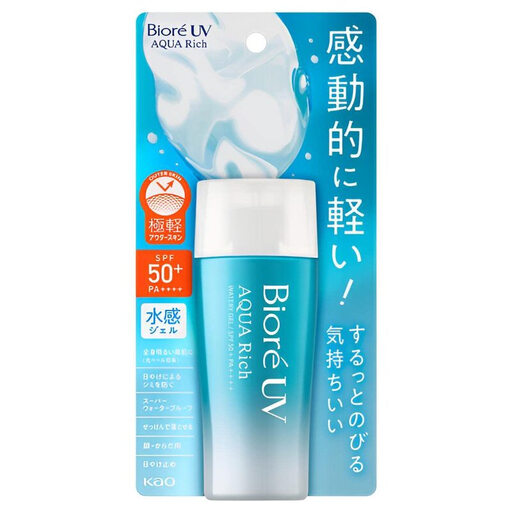
Why this product suits this profile: This Japanese sunscreen combines SPF 50+ and PA++++ with a texture described as watery and gel-like for the face and body.
The product information states that it absorbs quickly and leaves no visible white residue. Check the current packaging information before buying.
70 ml contents, SPF 50+ PA++++ and a fragrance-free formula according to the product description.
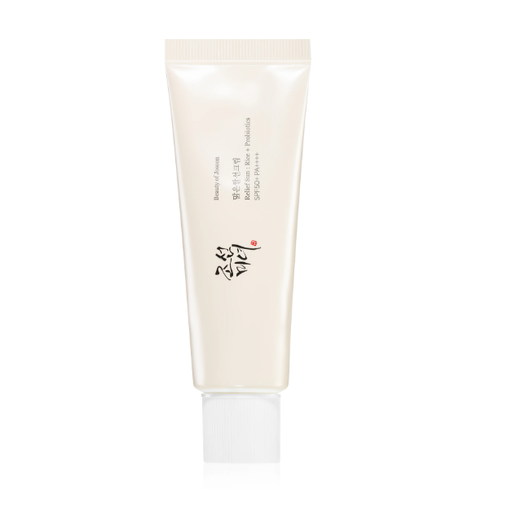
Why this product suits this profile: This Korean sunscreen is appealing to people looking for a creamy, lightweight application and additional hydration in their morning routine.
The description indicates a non-sticky finish, even when several layers are applied. Nevertheless, using enough product is essential.
SPF 50+ PA++++ plus rice and fermented grain extracts according to the manufacturer’s information.
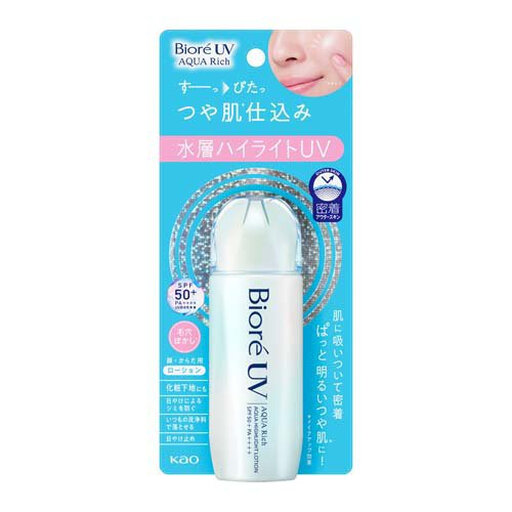
Why this product suits this profile: For the beach, sport or frequent outdoor activities, the stated water resistance of up to 80 minutes is relevant according to the product description.
The water resistance is limited to a specific period. Reapplication is still necessary after swimming or drying your skin.
SPF 50+ PA++++, 70 ml and water resistance tested for over 80 minutes according to the supplier.
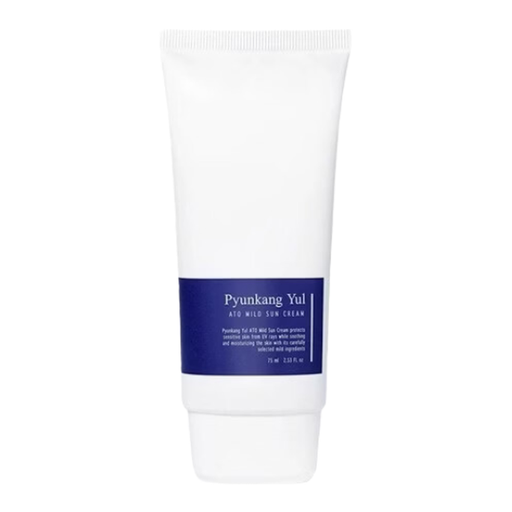
Why this product suits this profile: This product range is aimed at sensitive and dry skin and describes a lightweight, non-greasy texture for everyday use.
The choice is based not only on SPF, but also on how the product feels and who it is designed for. Stop using it if any reaction occurs.
SPF 50 PA++++, 75 ml and a formula described as gentle or hypoallergenic.
We have put together a complete, regularly updated list of products that fully meet these strict selection criteria and the safety regulations applicable in the EU.
Look for the packaging’s PAO symbol, which indicates, for example, how long the product can be used after opening. The exact expiry date, batch number and current INCI list should be checked directly on the packaging, as formulas may change.
Store sunscreen in a dry place, protected from direct sunlight and away from consistently high temperatures. Avoid contact with the eyes and applying the product to damaged or irritated skin. If redness, itching or burning persists, stop using the product.
As a practical guide, around two finger lengths are considered suitable for an adult’s face and neck. Applying an even, sufficient layer is what matters. If significantly less is applied, the level of protection stated on the packaging cannot be expected to be achieved to the same extent.
For a normal day-to-day routine, reapply as needed. When outdoors, after exercise, swimming, heavy sweating or drying your skin, reapplication is especially important. A water-resistant product does not automatically eliminate the need to reapply.
Yes, many fluids, gel creams and lightweight sunscreens are designed for this purpose. First allow the sun protection to absorb evenly, then apply foundation or powder. With tinted products, make sure the shade and coverage suit your own skin before buying them regularly.