
Lieferung heute & morgen

Qualitätsgarantie

Willkommens-Angebote freischalten: KOSTENLOSE Lieferung | Bis zu 80 % RABATT | Kostenlose 30-Tage-JoyPlus-Testphase
App herunterladen
SPF 50+ face sunscreen should protect you from UVA and UVB rays every day, feel comfortable on your skin and fit in with your skincare routine. In practice, however, unsuitable textures aren’t the only cause of disappointing purchases. Confusing protection claims, applying too little and choosing a formula that doesn’t suit your needs can all make sunscreen harder to use.
The SPF rating primarily indicates protection against UVB rays, which can cause sunburn. For everyday protection for your face, it’s also important to check that the product offers UVA protection. Korean and Japanese products often carry a PA++++ rating, which supplements the SPF rating with a UVA classification based on the relevant Asian rating system.
If you’re buying a product on the German market, also check the information on the packaging, such as the UVA symbol in a circle. No sunscreen allows you to stay in direct sunlight indefinitely.
A lightweight face sunscreen may feel comfortable on oily skin, while dry skin may prefer a richer, moisturising formula. Conversely, richer formulas can leave oily or blemish-prone skin looking shiny.
Claims such as “no white cast”, “non-sticky” or “non-comedogenic” are just a starting point. The full INCI list, your skin type and how you plan to use the product all matter. Even a product described as non-comedogenic may cause a reaction or blemishes for some people.
Water-resistant sunscreen can be a good choice for sports, the beach or heavy sweating. However, water-resistant doesn’t mean the protection remains unchanged after swimming, towelling off or sweating heavily. Reapply after these activities. If you have sensitive skin, it’s also a good idea to test a new product on a small area before applying it more widely.
For everyday protection, SPF 50 or SPF 50+ is a good guide, especially if you’ll be spending longer periods outdoors. Apply face sunscreen generously to your face, ears and neck. A common rule of thumb is to use about two finger lengths for your face and neck, but always follow the manufacturer’s instructions.
Reapplication is also important. In everyday situations, you may need to reapply after spending a long time outdoors; reapply sooner if you’ve been sweating, swimming or towelling off. Make-up-friendly textures can make it easier to top up your protection, but they don’t replace applying enough sunscreen in the first place.
If you’re looking for Korean or Japanese face sunscreen, check the PA rating, texture, fragrance and how easily it can be removed. Water-resistant products can be useful for sports, but may need a more thorough cleanse. If you’re sensitive to fragrance, check the INCI list for “Parfum” or essential oils.

Why it suits this profile: A good option if you prefer Korean sunscreen with SPF 50+ PA++++ and a nourishing, lotion-like texture.
The product information describes a lightweight, non-sticky texture that can be applied in several layers. This can make it easier to apply enough sunscreen as part of your everyday routine.
SPF 50+ PA++++, plus rice and fermented grain extracts according to the product description.
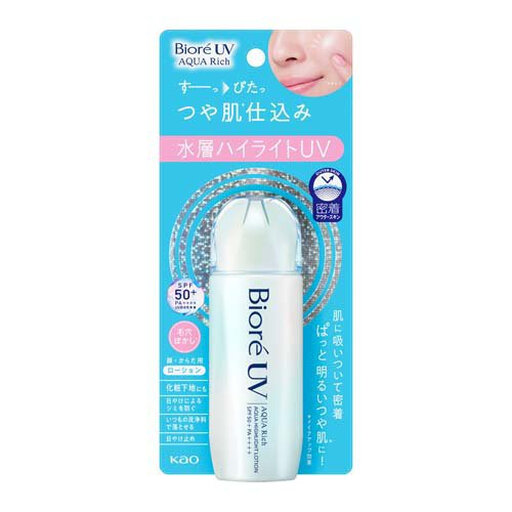
Why it suits this profile: This Japanese sunscreen is aimed at people who want to protect their face and body and value water resistance.
According to the product information, it has been tested for water resistance for 80 minutes. You’ll still need to reapply after swimming, sweating or towelling off.
70 ml size, SPF 50+ PA++++ and a water-resistant formula according to the supplier.
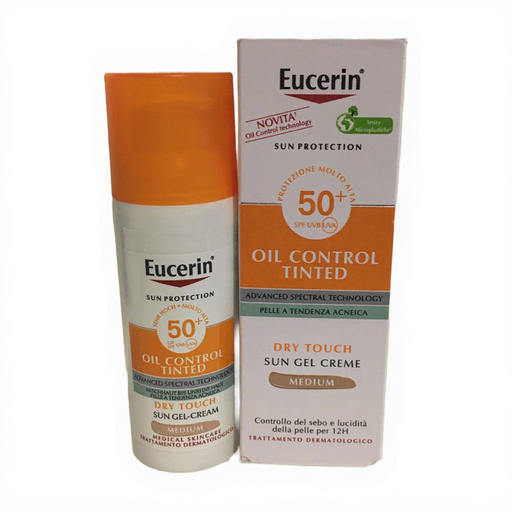
Why it suits this profile: This tinted gel cream may appeal if you prefer a matte finish and an oil-free, fragrance-free formula.
The product information describes a non-comedogenic, water-resistant texture that helps control shine. Check that the tint suits your skin tone before you buy.
50 ml size, tinted gel cream and an oil-free, fragrance-free formula according to the product description.
We’ve put together a complete, regularly updated list of products that meet these strict selection criteria and fully comply with the safety regulations in force in the EU.
Apply SPF 50+ face sunscreen as the last step in your morning skincare routine. If you’re trying a new product, it’s a good idea to test it on a small area first. Avoid the eye area and any broken or irritated skin unless the packaging says otherwise.
How well sunscreen works depends largely on how much you apply and how evenly you spread it. Reapply regularly when you’re outdoors, especially after swimming, exercising or towelling off. Store sunscreen products in a cool, dry place away from direct sunlight, as instructed by the manufacturer. Check the packaging for the expiry date and the period-after-opening symbol.
About two finger lengths is often used as a practical guide for the face and neck. The key is to apply an even, generous layer. Applying too little reduces the level of protection provided by the product.
Check the printed expiry date and the PAO symbol, such as “12M”, which means the product should be used within twelve months of opening. Heat, direct sunlight and frequent opening can affect its quality. If the smell, appearance or consistency changes, stop using it.
A non-comedogenic sunscreen with a lightweight gel or fluid texture may be more practical for oily and blemish-prone skin. Also consider fragrance, finish and how well your skin tolerates the product. A particular label doesn’t guarantee that everyone will react in the same way.