
Lieferung heute & morgen

Qualitätsgarantie

Willkommens-Angebote freischalten: KOSTENLOSE Lieferung | Bis zu 80 % RABATT | Kostenlose 30-Tage-JoyPlus-Testphase
App herunterladen
SPF 50+ face sunscreen should feel comfortable for everyday use, work well under make-up and offer clearly stated UVA and UVB protection. Yet product claims don’t always make it easy to choose the right one. People often use a body sun lotion on their face, even though its texture and packaging may not be designed for that purpose. A mattifying finish won’t necessarily suit dry skin, either.
That’s why the Joybuy Product Recommendation Officer highlights the product features that matter and explains what adults in Germany should look for when buying.
The SPF primarily indicates protection against UVB rays, which are associated with sunburn. For everyday sun protection, you should also look for clearly stated UVA protection or broad-spectrum protection. A high SPF doesn’t mean you can stay in direct sunlight indefinitely, either.
An SPF 50 sun fluid may feel light and absorb quickly. However, some ingredients, such as alcohol, fragrance or certain UV filters, may not suit sensitive skin. That’s why the current INCI list on the packaging is more useful than general claims such as ‘suitable for all skin types’.
Tinted sunscreen can help even out your skin tone. However, it often provides only light coverage. With a universal shade, the result can vary depending on your skin tone and undertone. If possible, try the shade along your jawline and neck before buying.
Look for SPF 50+ and a clear indication of UVA protection. Apply a sufficient amount to your face and neck. A useful guide is the two-finger rule for the face and neck, unless the product instructions say otherwise. Applying too little sunscreen significantly reduces the level of protection stated on the packaging.
Reapply after swimming, sweating, drying yourself or rubbing your skin. Even water-resistant sunscreen won’t stay on your skin in every condition.
A large bottle of sun lotion is handy for your arms, shoulders and legs. For your face, however, a specialist product with a smaller applicator, a suitable texture and make-up compatibility may be a better choice. If you’re looking for one product for both face and body, check the manufacturer’s instructions.
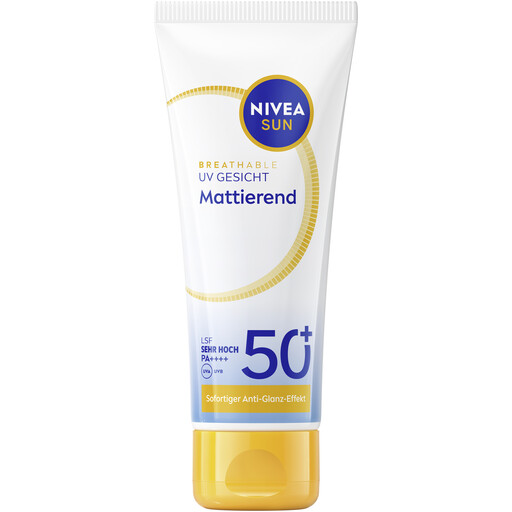
Why this product suits this profile: The 40 ml tube is designed for daily use on the face and offers a lightweight texture with a mattifying finish.
It’s specifically labelled for use on the face, and the claims that it absorbs quickly and is non-comedogenic set it apart from a standard body lotion.
SPF 50+, a mattifying finish and, according to the product description, suitable for use under make-up.
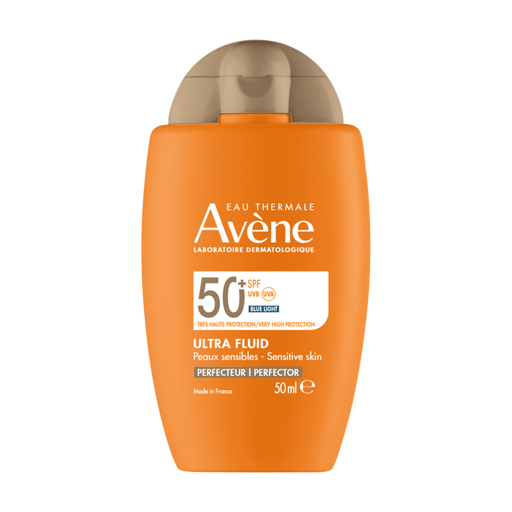
Why this product suits this profile: This ultra-light tinted face product is designed for sensitive skin and can be used as a base under make-up.
The description clearly states that it offers light coverage, so it shouldn’t be mistaken for foundation.
SPF 50+, UVA and UVB protection, a water-resistant formula and a universal shade with a natural finish.
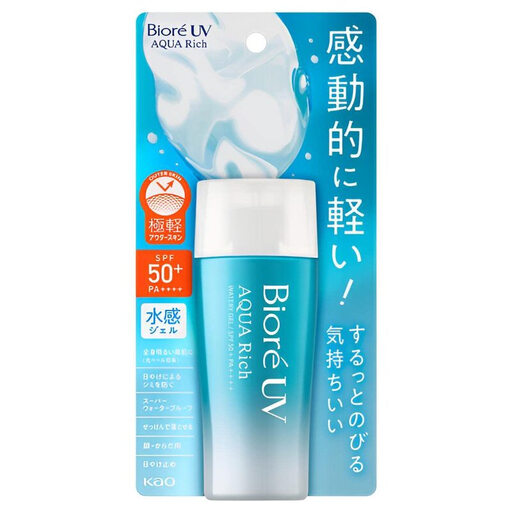
Why this product suits this profile: According to the product details, this 70 ml lotion is suitable for the face and body, making it a handy choice for travel or regular outdoor activities.
The product’s intended uses are clearly stated, reducing the risk of using a product designed only for the body on your face.
SPF 50+ PA++++, a watery gel texture and, according to the product description, no white residue.
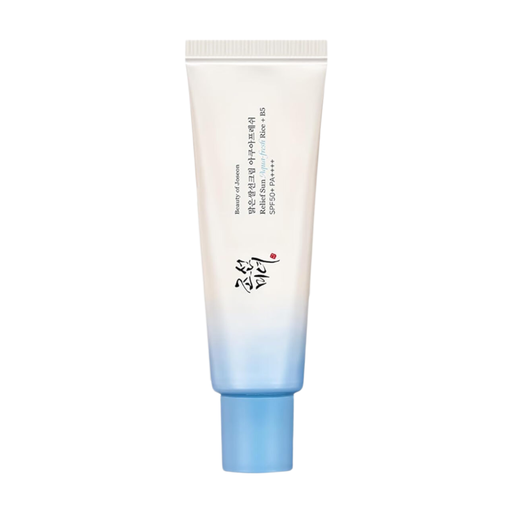
Why this product suits this profile: Its light, lotion-like texture combines everyday sun protection with a hydrating feel on the skin.
The product description highlights its layer-friendly, non-sticky finish, setting it apart from heavy, rich sunscreens.
SPF 50+ PA++++, rice and panthenol ingredients, plus a fast-absorbing texture that leaves no white cast, according to the product details.
We’ve put together a comprehensive, regularly updated list of products that meet these strict selection criteria and comply fully with the safety regulations in force in the EU.
Store the product in a cool place, away from direct sunlight. If you experience eye irritation, persistent redness or a burning sensation, wash the product off and stop using it.
The two-finger rule is a useful guide: a line of sunscreen along your index and middle fingers can be used for your face and neck. Always follow the instructions from the manufacturer of your product. Using less will reduce the actual level of protection.
Check the PAO symbol on the packaging, such as ‘12M’, as well as the stated best-before or expiry date. Heat, direct sunlight and frequent opening can affect the product’s quality. If the sunscreen changes colour, smell or consistency, stop using it.
Yes. Many face fluids and lightweight lotions are designed for this. Let the product absorb evenly first, and choose a non-sticky texture to wear under make-up. Tinted sunscreen can help even out your complexion, but it won’t necessarily provide the coverage of foundation.