
Lieferung heute & morgen

Qualitätsgarantie

Willkommens-Angebote freischalten: KOSTENLOSE Lieferung | Bis zu 80 % RABATT | Kostenlose 30-Tage-JoyPlus-Testphase
App herunterladen
An SPF 50 face sunscreen should feel comfortable in everyday use, allow you to apply enough product and suit your individual skin type. However, many product claims do not automatically lead to the right purchasing decision. For example, a mattifying sunscreen may contain alcohol or fragrance, while a rich SPF 50 face cream can leave oily skin looking shiny.
The following points can help you distinguish marketing claims from product properties that are practically relevant.
SPF mainly describes protection against UVB radiation. For daily facial sun protection, you should also look for clearly stated UVA protection. Signs such as the UVA symbol in a circle or a rating such as PA++++ can help you assess this.
Applying too little sunscreen significantly reduces the actual level of protection. For the face and neck, an amount roughly equivalent to two finger lengths is often recommended. The specific dosage guidance provided by the manufacturer on the packaging is the key reference. If you are spending a long time outdoors, reapply regularly, especially after sweating, swimming or drying yourself.
A mattifying sunscreen can feel comfortable on oily or blemish-prone skin because it reduces visible shine. However, this says nothing about whether the formula will suit your individual skin. Alcohol, fragrance and certain filters may be relevant for sensitive skin.
If your skin is prone to irritation, check the full INCI list and test a new product on a small area of skin first. The term non-comedogenic sun protection is a useful guide, but it does not replace checking your personal skin tolerance.
A tinted sunscreen can visually even out your skin tone. However, its coverage is usually lighter than that of a foundation. You should also not reduce the amount applied simply to avoid a visible colour effect. For darker or lighter skin tones, check the shade along the jawline.
For daily use, SPF 50 or SPF 50+ is a suitable guideline, particularly if you spend a long time outdoors or have highly sun-sensitive skin. The combination of UVB and UVA protection is important. Water resistance can be useful for sport and swimming, but it does not mean that the product does not need to be reapplied after contact with water.
The product description should provide specific information about volume, skin type, finish and application. Claims relating to anti-ageing, antioxidant ingredients or tone-up effects should be understood as cosmetic product features rather than medical claims. If you have known allergies, very sensitive skin or sensitive eyes, pay particularly close attention to fragrance, alcohol and preservatives.
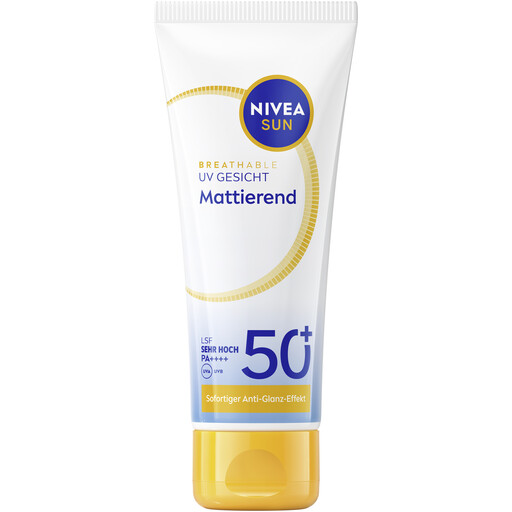
Why this product suits this profile: The lightweight texture and stated mattifying effect are aimed at people looking for an uncomplicated SPF 50+ face sunscreen for everyday use and under make-up.
The product details mention fast absorption, a non-greasy feel and a non-comedogenic formula. However, Alcohol Denat. is included and should be taken into account if you have sensitive skin.
SPF 50+, PA++++, 40 ml content and a mattifying finish according to the product description.
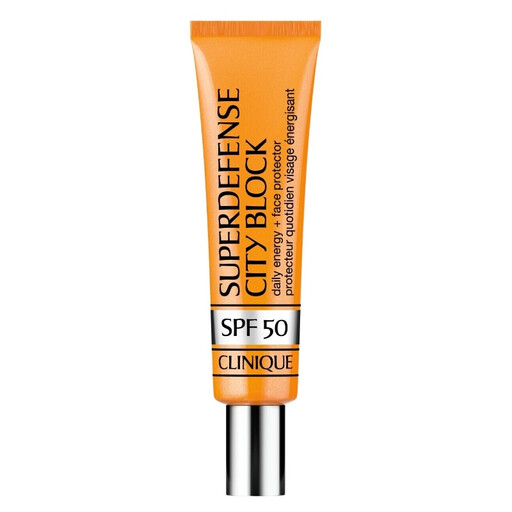
Why this product suits this profile: The lightly tinted formula is of interest to users who want to combine facial sun protection with a subtle visual enhancement.
The tint is described as light and should therefore not be treated as equivalent to a full-coverage foundation. Even, sufficient application is still required.
Light tint, stated SPF and UVA/UVB protection for your morning routine.

Why this product suits this profile: The creamy yet lightweight texture is intended for people who want to combine Korean SPF 50+ sunscreen with moisturising daily skincare.
The product description highlights a non-sticky feel and the possibility of layering. Nevertheless, if you spend a long time outdoors, reapplication should follow the manufacturer's instructions.
SPF 50+, PA++++, lightweight texture and 50 ml content with rice and fermented ingredients according to the INCI list.
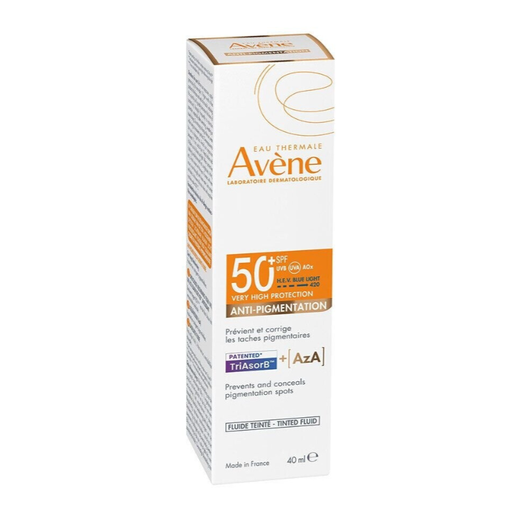
Why this product suits this profile: According to the product details, the tinted fluid is intended for sensitive skin and combines SPF 50+ with UVA/UVB protection and a light, natural tint.
The “fragrance-free” claim makes it easier to choose for people who avoid fragrance. Nevertheless, the current ingredients list should still be checked against the packaging before purchase.
Tinted fluid texture, SPF 50+ and stated suitability for sensitive skin.
We have put together a complete, regularly updated list of products that fully meet these strict selection criteria and the safety regulations applicable in the EU.
For the face and neck, an amount of around two finger lengths is often recommended. The important thing is to create a visible, even layer. If you are unsure, follow the dosage guidance on the relevant packaging.
Yes, many sun fluids and lightweight gel creams are specifically designed for daily use and as a base for make-up. Before buying, check the finish, absorption time and whether the product is tinted. If the product rubs off, it may help to apply skincare and sun protection shortly one after the other, rather than massaging them in at the same time.
The best-before date and the PAO symbol on the packaging are the key references, for example “12M”. Heat, direct sunlight and leaving the cap open can affect product quality. Sunscreen should be stored in a cool place and no longer used if its colour, smell or consistency changes.