
Lieferung heute & morgen

Qualitätsgarantie

Willkommens-Angebote freischalten: KOSTENLOSE Lieferung | Bis zu 80 % RABATT | Kostenlose 30-Tage-JoyPlus-Testphase
App herunterladen
For many people, SPF 50 facial sunscreen is part of their daily skincare routine. Yet choosing the right one can easily lead to a disappointing purchase: a formula may pill under make-up, a product that promises a matte finish may feel dry, or a high SPF may tell you nothing about its UVA protection.
The criteria below will help you distinguish marketing claims from product features that matter in practice.
The SPF rating mainly indicates protection against UVB rays, which are associated with sunburn. UVA protection is also important when choosing a product for everyday use. Look for markings such as ‘UVA’ in a circle or ‘UVA/UVB’, or, on Korean products, PA++++ sun protection.
An SPF 50 formula also doesn’t mean you can stay in the sun indefinitely. Seeking shade, covering up and avoiding the strongest midday sun are still sensible precautions.
A lightweight facial sunscreen may feel comfortable on oily skin, but dry skin may need extra care. On the other hand, rich or highly moisturising formulas can leave a shiny finish under make-up.
Your skin type, the finish and how you plan to use the product all matter:
Depending on the formula and your skin tone, mineral filters can leave visible residue. Chemical or hybrid filters are often more transparent, but their appearance can still vary depending on the product, how much you apply and the skincare underneath. Try a small amount along your jawline and wait a few minutes before judging the finish.
For everyday use, a combination of SPF 50+ and stated UVA protection is a sensible choice. Products with PA++++, including several Korean sunscreens, indicate a high level of UVA protection under the PA system. However, labelling isn’t completely consistent across regions, so always check the specific product information.
You only get the stated level of protection if you apply enough. As a practical guide, around two finger lengths is often recommended for the face; you’ll need extra for your neck and ears. Apply sunscreen as the final step in your morning skincare routine.
If you’re spending longer outdoors, reapply regularly, especially after sweating, swimming or drying yourself with a towel. Applying a smaller amount just once in the morning won’t necessarily give you the level of protection stated on the packaging.
Before buying, check:
If you have sensitive skin, try a new formula on a small area first. Stop using it if you experience redness, stinging or any other reaction.
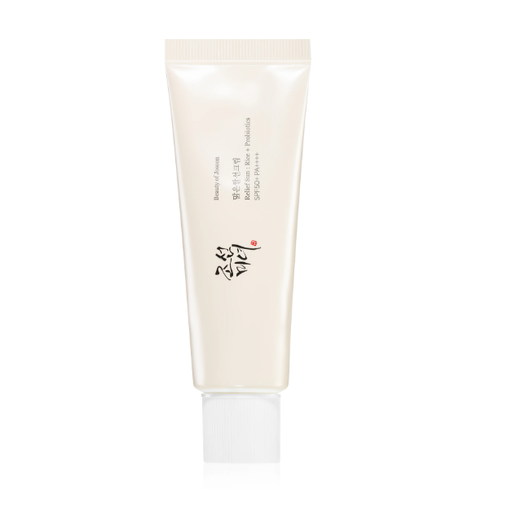
Why this product suits this profile: The formula is described as lightweight and creamy, and the product details list rice germ extract and fermented ingredients. It’s designed for daily use and to be worn under make-up.
Its non-sticky, cream-like texture, according to the product description, addresses the problem of heavy layers. If you have oily skin, it’s still worth checking how the finish works for you.
SPF50+ and PA++++, a 50 ml size, and a texture described as lightweight, with rice and fermented ingredients.
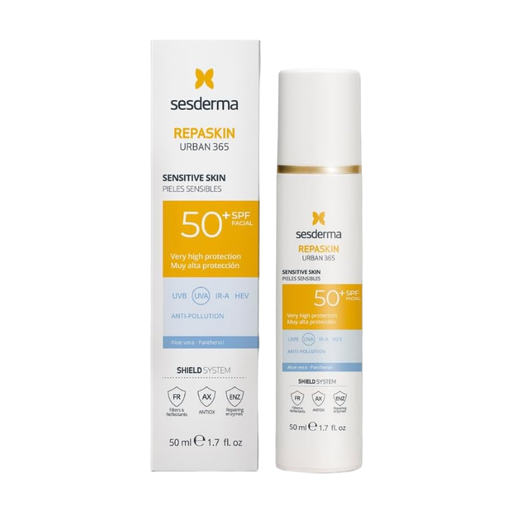
Why this product suits this profile: The product details state that it’s fragrance-free and intended for sensitive skin, water-resistant and supplied in a spray bottle. This could be practical for frequent everyday use or outdoor activities.
Being fragrance-free helps address a common concern when choosing a product for sensitive skin. If you’re spraying it on your face, spray it into your hands first if the packaging recommends this.
SPF50+, 50 ml, described as water-resistant and fragrance-free, with a lightweight, non-greasy texture according to the product description.
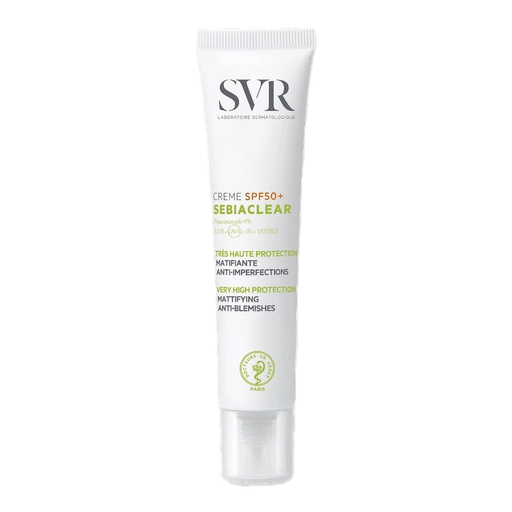
Why this product suits this profile: According to the product description, this cream is intended for oily and blemish-prone skin. It’s described as non-comedogenic, water-resistant and mattifying.
Its focus on shine control and a matte finish may help you avoid a daytime moisturiser that feels too rich. If you’re sensitive to fragrance, check the ingredients, as the formula contains fragrance.
SPF50+, a matte finish, described as non-comedogenic and water-resistant, with a 40 ml size.
We’ve put together a comprehensive, regularly updated list of products that meet these strict selection criteria and fully comply with the safety regulations in force in the EU.
After your skincare, wait a short while before applying foundation or concealer. Applying sunscreen evenly in several small sections can help reduce pilling. If you’ll be spending a long time outdoors, reapply your sunscreen. Depending on the product, a lightweight fluid, a stick or careful application with a make-up sponge can work for topping up over make-up; the important thing is to apply enough.
Also check the expiry date, and don’t store sunscreen in direct sunlight or high temperatures for long periods. Changes in smell, colour or texture may be a sign that you should stop using the product.
As a guide, use around two finger lengths for your face, plus more for your neck and ears if you’re including them. Spread the product evenly. Applying too little significantly reduces the level of protection you get in practice.
Reapply after prolonged sun exposure, sweating, swimming or drying yourself with a towel. On days when you’re not spending long outdoors, how often you need to reapply depends on your surroundings and how much you applied in the morning.
Yes, provided it’s still within the stated shelf life, has been stored correctly and shows no noticeable changes. You should also follow any instructions on the packaging about how long the product can be used after opening.