
Lieferung heute & morgen

Qualitätsgarantie

Willkommens-Angebote freischalten: KOSTENLOSE Lieferung | Bis zu 80 % RABATT | Kostenlose 30-Tage-JoyPlus-Testphase
App herunterladen
An SPF 50 facial sunscreen should do more than simply display a high sun protection factor on the packaging. For everyday use, it needs to apply evenly, work well with skincare products and make-up, and suit your skin type. At the same time, attention-grabbing claims such as ‘invisible’, ‘anti-ageing’ or ‘for all skin types’ do not automatically lead to the right buying decision.
This guide from the Joybuy Product Recommendation Officer helps you distinguish marketing claims from verifiable product features.
SPF describes protection primarily against UVB rays, which cause sunburn, among other effects. For comprehensive daily facial protection, UVA protection is also important. UVA rays penetrate deeper into the skin and play a role in light-induced skin changes.
Therefore, look for:
PA++++ is a rating found mainly on Korean sunscreens and Japanese products. It provides an indication of UVA protection, but does not replace checking the manufacturer’s full information and the product labelling.
A non-greasy sunscreen can feel comfortable on combination or oily skin. On dry or mature skin, however, a strongly mattifying texture may feel tight. Conversely, a rich SPF 50 face cream may look shiny under make-up or pill.
In addition to the sun protection factor, check:
A tinted sunscreen can visually even out redness or an uneven skin tone. However, it generally does not provide full foundation coverage. A universal shade may also look noticeably different on very fair or very dark skin. Testing it along the jawline or on the neck can help you avoid a disappointing purchase.
An SPF 50 face cream only provides the level of protection stated on the label when it is applied sufficiently and evenly. Using too little product significantly reduces the actual protection. As a practical guide, apply the product to your face and neck in two layers rather than spreading a large amount all at once.
Facial sunscreen should be applied as the final step in your morning skincare routine. If you are spending a long time outdoors, reapplying approximately every two hours, as well as after sweating, swimming or drying yourself, is advisable. The specific instructions on the packaging take precedence.
UVB protection is indicated by the SPF. UVA protection may be shown by a UVA symbol, PA ratings or additional manufacturer information. If you spend time outdoors every day or place a high priority on preventing light-induced skin changes, do not focus solely on the number ‘50’.
For dry skin, glycerine, hyaluronic acid, panthenol, ceramides or squalane may be worth considering. For oily or shine-prone skin, lightweight fluids, silica or starch-based mattifying ingredients may be suitable. Sensitive skin does not automatically benefit from every ‘soothing’ formula: fragrances, essential oils, alcohol or certain filters may cause individual sensitivities.
If you have known allergies, irritated skin or dermatological concerns, individual advice from a medical professional is recommended. Sunscreen is not a medicine and does not replace treatment.
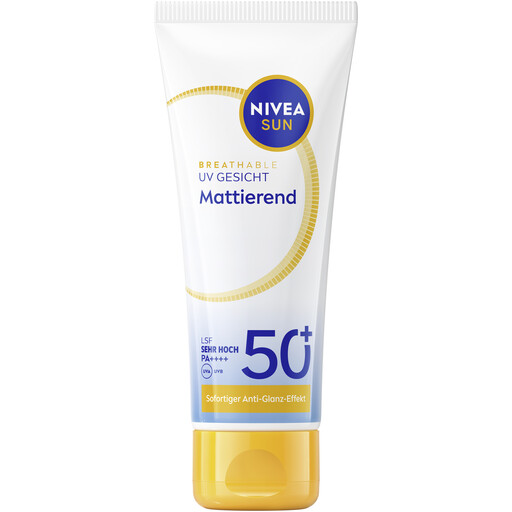
Why this product suits this profile: According to the product information, the lightweight formula is designed for daily use, a mattifying finish and wear under make-up.
The information states SPF 50+, UVA/UVB protection, quick absorption and a mattifying finish intended for combination to oily skin, rather than making a generic skincare claim.
SPF 50+, a mattifying finish and, according to the product information, a non-comedogenic formula.
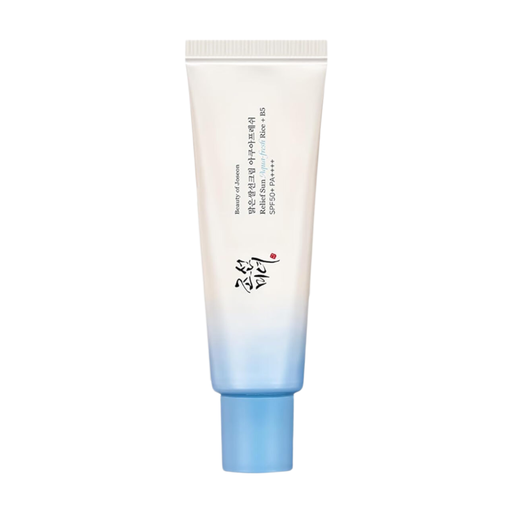
Why this product suits this profile: This lotion-like Korean sunscreen is aimed at people who prefer a lightweight, fast-absorbing texture with moisturising ingredients.
The product description explicitly states that it leaves no white cast and does not feel sticky on the skin. Even so, individual skin compatibility should be checked.
SPF 50+ PA++++, rice water and panthenol in a lightweight facial formula.
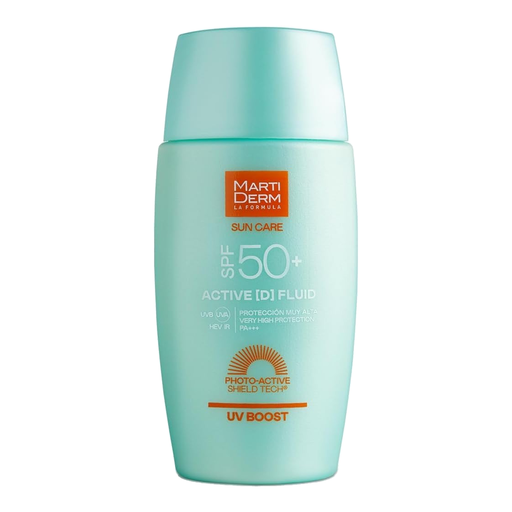
Why this product suits this profile: According to the product information, this fluid is intended for the face, neck and décolletage and is described as water-resistant and fragrance-free.
The clear ‘fragrance-free’ claim can make choosing easier for people who want to avoid fragrances. Nevertheless, reapplication after swimming is still necessary, even with a water-resistant formula.
SPF 50+, broad-spectrum protection, a lightweight texture and a 50-ml format for everyday use.
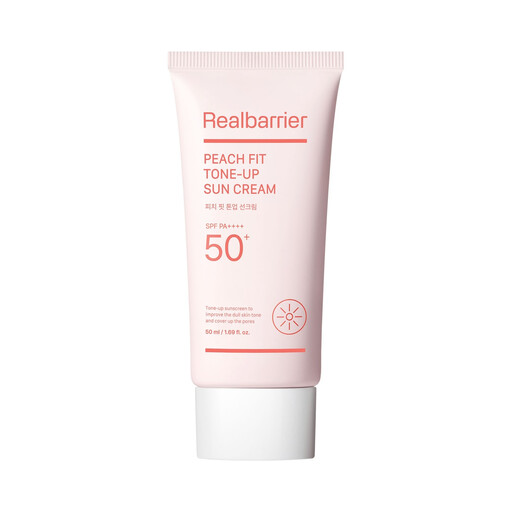
Why this product suits this profile: The delicate peach tint is intended for people who want to combine sun protection with a lightly more even-looking complexion in a single skincare step.
The product information explicitly describes the tint as light coverage, not as a replacement for foundation. Testing the shade along the jawline remains advisable.
SPF 50+ PA++++, a peach tint, plus ceramides and panthenol according to the published product description.
We have put together a complete, regularly updated list of products that fully meet these strict selection criteria and the safety regulations applicable in the EU.
Apply your facial sunscreen as the final step in your morning skincare routine. Make sure to cover the hairline, ears, neck and, where applicable, the décolletage. If you are using a tinted sunscreen, check the colour in daylight before buying.
When wearing make-up, allowing the sunscreen a short time to absorb is advisable. If the texture pills, using less of the skincare product underneath, waiting longer or applying thinner layers may help. Reapplication remains necessary during prolonged sun exposure. A product with SPF 50 does not provide complete protection against all the effects of intense UV exposure.
Use a sufficient, even amount for your face and neck. Applying too thin a layer reduces the actual level of protection. Follow the dosage recommendation on the product packaging.
Yes, many products are intended to be used as the final step before make-up. The texture, absorption time and finish are key. A mattifying sunscreen may suit combination skin, while dry skin may need additional moisturiser.
The best-before date and the PAO symbol on the packaging are decisive, for example ‘12M’. Heat, direct sunlight and frequent opening can affect product quality. Store your sunscreen in a cool, dry place and close it after every use.