
Lieferung heute & morgen

Qualitätsgarantie

Willkommens-Angebote freischalten: KOSTENLOSE Lieferung | Bis zu 80 % RABATT | Kostenlose 30-Tage-JoyPlus-Testphase
App herunterladen
An SPF 50 facial sunscreen should offer high UV protection, spread easily and fit comfortably into your daily skincare routine. In practice, however, three common purchasing misconceptions often lead to poor choices: a high sun protection factor is automatically associated with a pleasant skin feel, “invisible” textures are bought regardless of skin type, and additional skincare claims are valued more highly than correct application.
Even SPF 50+ sunscreen only provides the level of protection indicated on the packaging when enough product is applied. Sweat, water, drying yourself or friction can also reduce the protective layer. The right choice therefore starts not with the packaging, but with verifiable information about protection, texture and application.
The SPF rating primarily describes protection against UVB radiation, which can contribute to skin redness, among other effects. For daily facial sun protection, clearly stated UVA protection is also relevant. Look for the UVA marking and check the manufacturer's application instructions.
An SPF 30 product may be sufficient for many everyday situations, while SPF 50+ sunscreen is a sensible choice for longer periods outdoors, intense sunlight or when a particularly high level of protection is desired. However, the factor does not replace other measures such as wearing a sun hat, covering up and avoiding intense midday sun.
A facial sun fluid is usually lighter than a classic cream. This can be practical for combination or oily skin, or when applying it under make-up. Products containing silica or starch, or those explicitly described as mattifying, may leave a less shiny finish. Dry skin, on the other hand, often benefits from a moisturising formula with glycerine, hyaluronic acid or nourishing oils.
However, “non-greasy sunscreen” is not a universally applicable characteristic. Alcohol, fragrances, essential oils or certain filters may feel uncomfortable on sensitive skin, depending on the individual. For this reason, check the current INCI list on the packaging and test new products on a small area of skin first.
A tinted sunscreen can visually even out the complexion, but it does not replace a foundation with a defined level of coverage. How well the colour adapts depends on your skin tone, undertone and the amount applied. A universal shade may look noticeably different on some complexions.
For sunscreen under make-up, an even finish, short absorption time and minimal pilling are important. Let the product settle briefly after application before using foundation or powder. With tinted formulas, you should also take light-coloured clothing and the hairline into account.
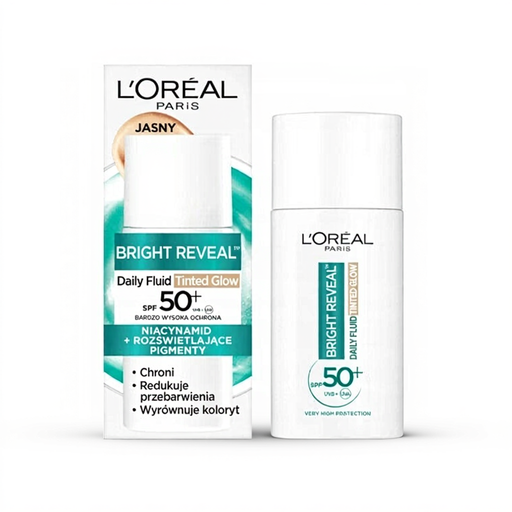
Why this product suits this profile: This tinted fluid combines SPF50+ with subtle optical colour correction and can be used on its own or as a make-up base.
The product information states the necessary sufficient amount and recommends regular reapplication. This helps prevent the tint from being mistaken for complete UV protection.
SPF50+, iron oxides for the tint, niacinamide in the INCI list, and can be used alone or under make-up.
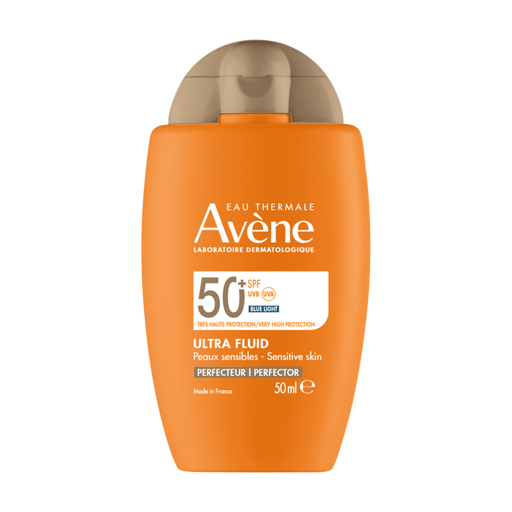
Why this product suits this profile: This ultra-light, tinted formula has been developed for sensitive skin and provides a naturally radiant finish as an everyday base.
The description points out that the universal shade does not look identical on every skin tone. Testing it along the jawline and neck is therefore still advisable.
SPF50+, UVA, UVB and HEV information, a fragrance-free formula and water-resistant properties according to the product description.
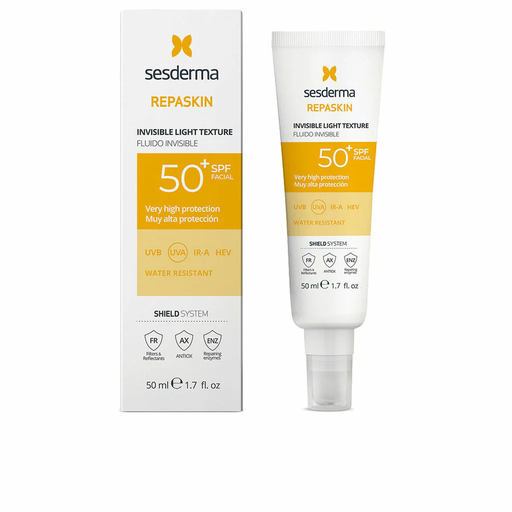
Why this product suits this profile: This fluid is designed for users who prefer a transparent, matte finish and an uncomplicated base under make-up.
The description highlights an invisible, non-comedogenic and water-resistant texture. Nevertheless, reapplication after sweating or swimming is still recommended.
SPF50, UVA/UVB protection, a matte finish, lightweight texture, and water-resistant and non-comedogenic claims.
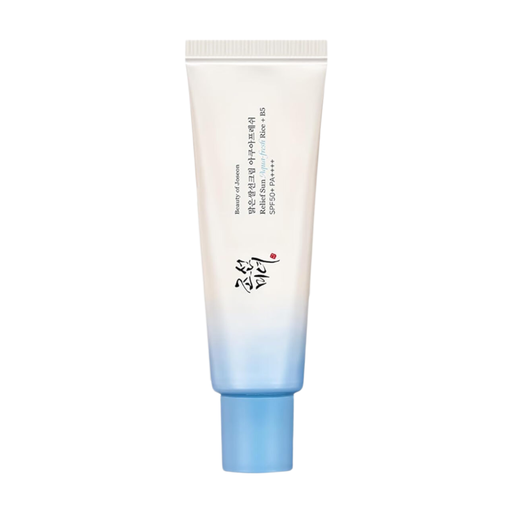
Why this product suits this profile: This lotion-like texture with rice water and panthenol is aimed at users looking for moisture without a very sticky feel or visible white cast.
The product information does not present the lightweight texture as a substitute for applying enough product. Regular reapplication is recommended for longer exposure to the sun.
SPF50+ and PA++++ according to the product information, quick absorption, no visible white cast, plus panthenol and rice water in the formula.
We have put together a complete, regularly updated list of products that fully meet these strict selection criteria and the safety regulations applicable in the EU.
A facial cream with SPF 50 or a sun fluid with SPF50+ makes sense if you prefer a high level of daily protection or regularly spend time outdoors. SPF30 may be an alternative for short journeys and less intense exposure. The selection includes products such as Neutrogena Bright Boost SPF30, Clinique Moisture Surge SPF25 and Avène Hydrance SPF30.
Consistent application is more important than choosing the highest possible rating: the face, ears, neck and hairline should be covered evenly. Regular reapplication is required during longer periods in the sun. Skincare benefits such as hydration, optical brightening or a glowing finish are additional features and should not replace the stated protection information.
As a practical guide, around one finger-length of product is often recommended for an adult's face and neck. The key point is to follow the manufacturer's instructions on the packaging. Applying too thin a layer reduces the level of protection actually achieved.
Yes, many fluids are specifically designed to be used as a make-up base. Apply the sunscreen as the final step in your skincare routine and allow it to absorb briefly. With tinted products, check whether the shade and finish work well with your foundation and skin undertone.
Check the best-before date or the symbol indicating how long the product remains usable after opening. Heat, direct sunlight and leaving the cap open can affect product quality. Store the product in a cool, dry place with the container closed. If the colour, smell or texture changes, stop using it.