
Lieferung heute & morgen

Qualitätsgarantie

Willkommens-Angebote freischalten: KOSTENLOSE Lieferung | Bis zu 80 % RABATT | Kostenlose 30-Tage-JoyPlus-Testphase
App herunterladen
SPF 50 facial sunscreen is part of many people’s daily morning routine. However, there is a huge choice available: Korean sunscreen, sun fluid, tinted sunscreen, sun stick and sun cushion all differ considerably in texture, filter technology, finish and application.
Marketing terms such as “invisible”, “for all skin types” or “moisturising” are not always enough to make an informed buying decision. What matters is whether the product suits your skin type, the amount applied and how you plan to use it.
SPF 50 or SPF 50+ primarily describes protection against UVB radiation. For daily facial sun protection, you should also look for clearly stated UVA protection. In Europe, the UVA symbol in a circle may appear on the packaging. Korean products often carry the PA++++ rating.
No sunscreen allows you to stay in the sun indefinitely. The level of protection also depends on whether enough product is applied and reapplied regularly.
Light sun fluids and a lightweight, non-whitening sunscreen feel comfortable on the skin. That is precisely what can tempt you to apply too little. For the face and neck, the so-called two-finger method is often used as a practical guide: two strips of product along the index and middle fingers. The specific dosage recommendation on the manufacturer’s packaging takes priority.
A small 40 or 50 ml product may run out sooner than expected when used daily and in sufficient quantities. The price per pack is therefore less informative than the combination of product volume, frequency of use and desired level of protection.
Even sunscreen for sensitive skin can contain ingredients that some people do not tolerate well. These may include perfume, alcohol or certain plant extracts, for example. It is worth checking the current INCI list. If you have a known sensitivity, test the product on a small area of skin first. Stop using it if persistent redness, burning or itching occurs.
For daily facial use, SPF 50 or SPF 50+ is a suitable product category if you want a high level of UVB protection. You should also look for:
Texture affects whether you use sunscreen regularly:
A dewy finish may suit dry skin, while a mattifying product may be more appealing for oilier skin. With tinted products, check the shade along the jawline and neck. “Universal” does not mean that the shade will look identical on every skin tone.
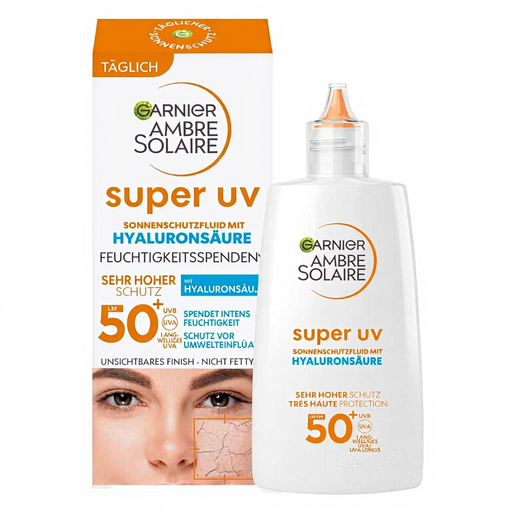
Why this product suits this profile: This fluid is an appealing option for shoppers looking for a compact SPF 50+ facial sunscreen with a finish that leaves no visible greasy residue. According to the product description, it is designed for use under make-up.
The fluid formula can make daily application easier. Even so, you should stick to the recommended amount rather than applying only a thin film.
SPF 50+, 40 ml content, lightweight fluid texture and, according to the product information, a mattifying, invisible finish.

Why this product suits this profile: This Korean sunscreen is aimed at people who want to combine SPF 50+, PA++++ and a lotion-like texture with nourishing ingredients.
The manufacturer describes a lightweight, non-sticky texture. However, an individual tolerance test is still advisable to assess the actual appearance and feel on your skin.
SPF 50+ and PA++++, 50 ml content, plus rice and fermented ingredients according to the product description.
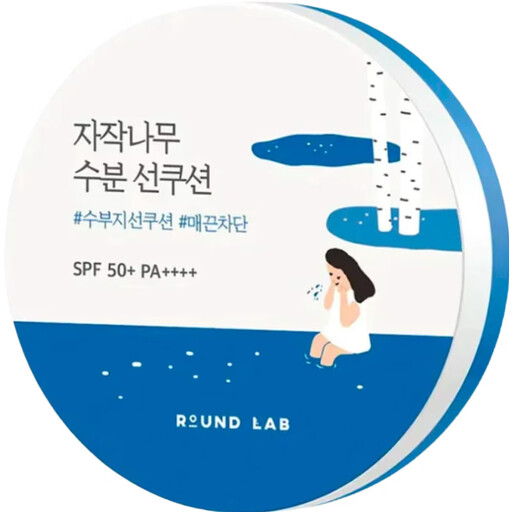
Why this product suits this profile: This sun cushion is designed for touch-ups in the office, while travelling or when you are out and about. Its compact format takes up very little space in a handbag or rucksack.
The cushion makes reapplication easier, but does not necessarily replace a generous first layer. For even coverage, apply it by patting systematically over the skin.
SPF 50+ and PA++++, 15 g content, integrated applicator and, according to the product description, a moisturising texture.
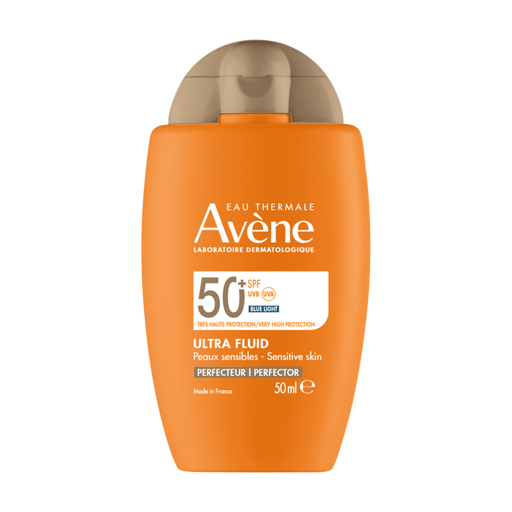
Why this product suits this profile: According to the product description, this tinted sunscreen was developed for sensitive skin and offers a light, universal tint with UVA, UVB and HEV blue-light protection.
The product description points out that a single universal shade may look different depending on your skin tone and undertone. Testing it along the jawline can help you assess the match.
SPF 50+, an ultra-light texture, a tint for visibly evening out the complexion and, according to the product information, a fragrance-free formula.
We have put together a complete, regularly updated list of products that fully meet these strict selection criteria and the safety regulations applicable in the EU.
This depends on the pack size, the amount applied and how often you reapply it. A 50 ml tube may run out considerably faster with daily use than with occasional use. The printed expiry date and the PAO symbol after opening are the key points to follow. If the smell, colour or consistency changes, stop using the product.
Yes, many facial sunscreens are designed for use under make-up. A lightweight texture and an even finish can make layering easier. Allow the sunscreen to absorb sufficiently before applying foundation. Adding make-up with SPF does not increase the level of protection.
A sun stick can make reapplication easier, especially when you are out and about. For the initial application, a fluid or cream sunscreen is often easier to spread generously and evenly. With a stick, you should swipe over each area of the face several times. The individual manufacturer’s instructions and applying a sufficient amount of product remain essential.