
Lieferung heute & morgen

Qualitätsgarantie

Willkommens-Angebote freischalten: KOSTENLOSE Lieferung | Bis zu 80 % RABATT | Kostenlose 30-Tage-JoyPlus-Testphase
App herunterladen
An SPF 50 facial sunscreen should offer reliable protection, feel comfortable to wear and fit easily into your daily skincare routine. But with face products, marketing claims can quickly lead to disappointing purchases. A cream may promise a high level of protection on paper, yet pill under make-up, leave a visible white cast or feel too rich for your skin type.
As a Joybuy Product Recommendation Officer, I filter through the key product details and assess them in terms of practical, everyday use. It’s not just the SPF that matters, but how the UV filters, texture, ingredients, skin compatibility and correct application all work together.
SPF mainly indicates protection against UVB rays, which are associated with sunburn. For everyday use, a stated level of UVA protection also matters. PA++++ or a UVA symbol on the packaging can help guide your choice. If you only look for “SPF 50”, you may miss important information about UVA and UVB protection.
A lightweight sunscreen may feel more comfortable on oily or blemish-prone skin. Dry skin, on the other hand, may benefit from a moisturising sunscreen containing glycerin, hyaluronic acid, panthenol or similar humectants. Richer textures can also look shiny on oily skin or shift under make-up.
“Non-greasy” isn’t a consistently defined product property, either. So check the texture description, the full INCI list and any details about the finish.
A mineral sunscreen containing zinc oxide or titanium dioxide may leave a pale residue, depending on the formula. Modern textures can help reduce this effect, but the only way to judge it properly is to apply the product evenly to your own skin tone. And don’t apply too little just to avoid a white cast.
If you’re spending longer outdoors, remember to reapply, especially after sweating, swimming or drying yourself with a towel. SPF 50 doesn’t replace shade or clothing, or the need to avoid the strongest midday sun.
Look for SPF 50 or SPF 50+, alongside clear information about UVA protection. Mineral filters such as zinc oxide reflect or scatter UV rays at the skin’s surface. Chemical, or organic, filters convert UV rays into other forms of energy. Hybrid formulas combine both types of filter.
If you have sensitive skin, a fragrance-free sunscreen for sensitive skin may be worth considering. However, this doesn’t guarantee that a product will suit you. Test any new product on a small area of skin first.
For your daily commute or a trip into town, a lightweight lotion, an essence-style finish or a gel cream can be practical choices. If you’re looking for a sunscreen to wear under make-up, look for claims such as “non-sticky”, “fast-absorbing” or “won’t pill”. These claims come from product descriptions, and how well a sunscreen performs can vary depending on the skincare underneath.
A stick is especially handy to carry around and reapply. Apply it evenly and generously; a few quick swipes may not provide full coverage.
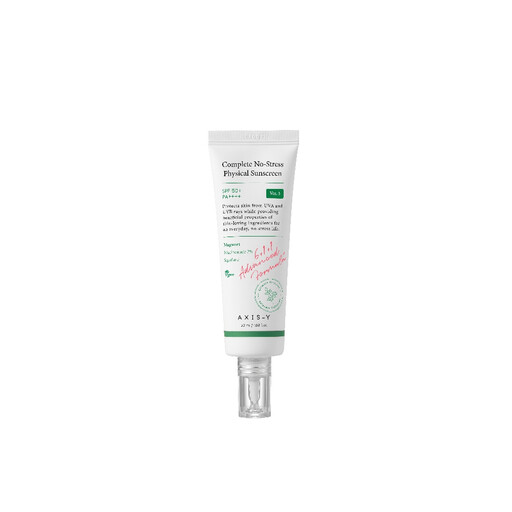
Why it suits this profile: According to the product description, this mineral formula with zinc oxide is aimed at people who prefer a physical filter and a fragrance-free formula.
The product details describe a non-chalky texture that can be used as a make-up base. Even so, it’s worth considering how it may look on your own skin tone before buying.
SPF 50 and PA++++ according to the product details; zinc oxide, niacinamide, squalane and sodium hyaluronate are listed in the ingredients.
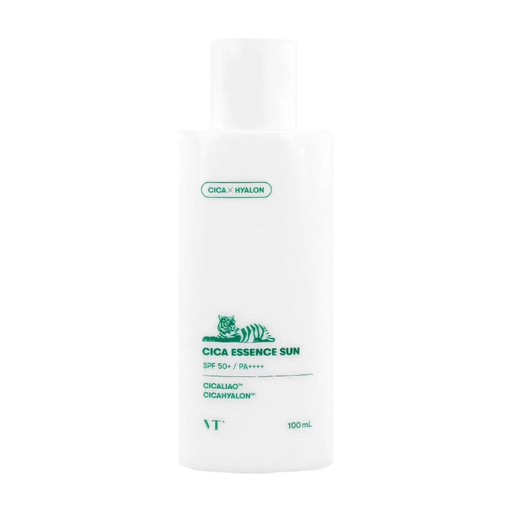
Why it suits this profile: The 100 ml size is a good option for frequent users who want to apply sunscreen regularly to their face, neck and other exposed areas.
The product description highlights a milky, fast-absorbing texture that doesn’t feel sticky, and says it can be worn under make-up.
SPF 50+ and PA++++ according to the product details; centella, several forms of hyaluronic acid and ceramides are listed.
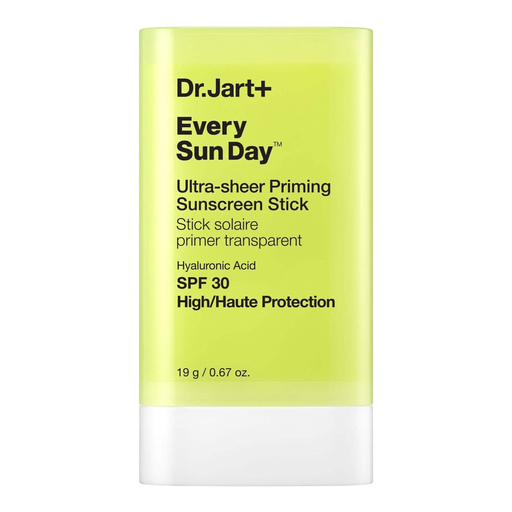
Why it suits this profile: The stick takes up very little space, making it handy for reapplication at work, when travelling or during outdoor activities.
According to the product description, its ultra-sheer, non-greasy formula helps minimise any visible finish when reapplying.
SPF 50 with UVA/UVB protection according to the product details; stick format with approximately 19 g of product and a priming effect.
Apply sunscreen to your face, neck and any other exposed areas as the final step in your morning skincare routine. The amount matters: applying too thin a layer reduces the level of protection you actually get. Follow the product instructions on how long to wait before going out in the sun, and reapply regularly.
If you have sensitive skin, follow the advice on the packaging. Don’t apply to broken or severely irritated skin, and avoid contact with your eyes. If redness, itching or a burning sensation persists, stop using the product and seek dermatological advice if needed.
If you’re spending longer in the sun, reapplying about every two hours is a common guideline. Reapply sooner after sweating, swimming or drying yourself with a towel. If you’re in the office and not spending long periods outdoors, how often you need to reapply will depend on your circumstances.
Yes. Many facial sunscreens are described as suitable for wearing under make-up. First, apply the sunscreen evenly and give it a moment to absorb. If it pills, your skincare underneath, the amount applied or the combination of formulas may be the cause.
Check the best-before date, the period-after-opening symbol and the information on the packaging. Store the product somewhere cool and dry, away from direct sunlight. If its colour, smell or consistency changes, don’t continue using it.