
Lieferung heute & morgen

Qualitätsgarantie

Willkommens-Angebote freischalten: KOSTENLOSE Lieferung | Bis zu 80 % RABATT | Kostenlose 30-Tage-JoyPlus-Testphase
App herunterladen
SPF 50 facial sunscreen should be comfortable and reliable enough to wear every day: without a greasy film or visible white cast, and ideally compatible with the rest of your skincare routine or make-up. This is where unsuitable purchases often happen. A high SPF rating alone tells you little about how comfortable the formula will feel at work, during exercise or under foundation.
The SPF rating mainly describes protection against UVB rays, which are one of the causes of sunburn. For everyday protection for your face, you should also look for a UVA protection label. Korean and Japanese sunscreens often carry a PA++++ rating, which indicates UVA protection under the assessment system commonly used in those countries.
No sunscreen allows you to spend unlimited time in strong sunshine without risk. A hat, shade and avoiding the strongest midday sun are still sensible precautions.
A lightweight sunscreen may feel comfortable on oily or blemish-prone skin, while dry skin may need additional moisturiser. Conversely, richer formulas can look shiny under make-up or feel heavy in warm weather.
So pay attention to the actual texture description:
Water-resistant sun protection can be more practical when swimming or sweating heavily. Even so, you should reapply it after swimming, towelling yourself dry or rubbing your skin. A stated level of water resistance does not mean the protection will remain unchanged indefinitely.
When choosing SPF 50+ facial sunscreen, check at least the following:
If you have sensitive skin, it’s worth checking the full INCI list. Fragrance, alcohol and certain filters may suit some people better than others. A product description such as “for sensitive skin” is no substitute for testing how it works for you personally.
For dry skin, ingredients such as glycerin, panthenol, aloe or hyaluronic acid may be worth looking for. If your skin tends to look shiny, lightweight, non-greasy textures with a natural or mattifying finish are often more comfortable. However, skincare ingredients are no substitute for a routine tailored to your skin.
Facial sunscreen should have enough time to settle before you apply make-up. Apply skincare and sunscreen in thin, even layers, allowing each layer a little time to set. Tone-up, glow and brightening formulas can work as a make-up base, but may change how your foundation or concealer looks.
If you’re concerned about a visible white cast, pay particular attention to mineral filters, pigments and your own skin tone. A sunscreen with no white cast will not necessarily be completely invisible on every skin tone; how it looks also depends on the amount you use, how evenly you apply it and the finish.

Why this product suits this profile: Its creamy yet lightweight texture is ideal for people who want to combine UV protection with a skin-nourishing feel.
The description highlights a non-sticky finish that is said to feel like a lightweight moisturiser, even when applied in several layers.
SPF 50+ PA++++; contains 30% rice extract and fermented grain extracts, according to the product details.
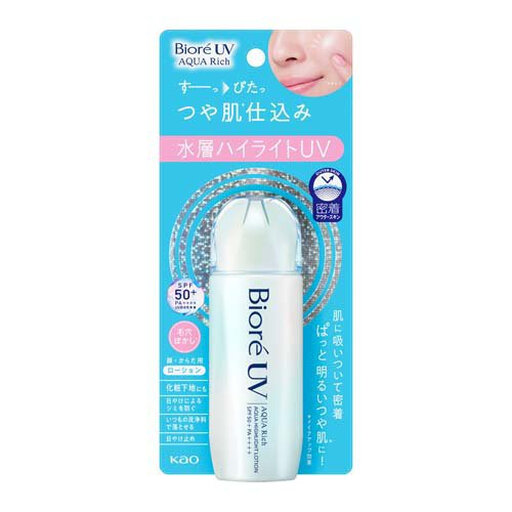
Why this product suits this profile: For use on the face and body, as well as during activities involving water or sweat, its stated water resistance is an important factor to consider.
The product details state that it has been tested for 80 minutes of water resistance. Reapplication is still necessary after swimming or towelling yourself dry.
SPF 50+ PA++++; a glow effect from light-reflecting ingredients, according to the product description.
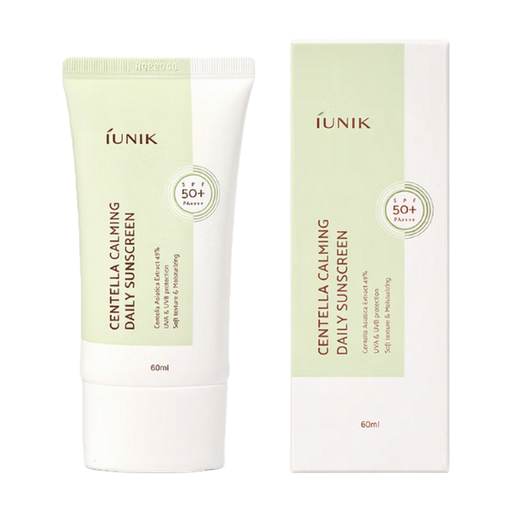
Why this product suits this profile: Its lightweight, non-greasy texture and centella-focused formula may appeal to people who prefer a subtle feel on their skin for everyday use.
The product description says it absorbs quickly, leaving no white film or greasy finish.
SPF 50+; contains Centella asiatica, niacinamide, beta-glucan and glycerin, according to the product details.
Apply the sunscreen evenly to your face and neck as the final step in your morning skincare routine. If you’re trying a new product, it’s a good idea to test it on a small area of skin first. Avoid the eye area and broken skin. Stop using the product if you experience burning, itching, redness or any other reaction.
Keep sunscreen products closed, dry and away from direct heat and sunlight. Also check the expiry date, batch number and the current ingredients list on the packaging.
We’ve put together a complete, regularly updated list of products that meet these strict selection criteria and fully comply with the safety regulations in force in the EU.
The two-finger rule is often used as a guide for the face and neck. What matters is applying a sufficient, even layer. If you use significantly less, the level of protection you get in everyday use may be lower than the one stated on the packaging.
Yes, many lightweight fluids, essences and gel textures work well under make-up. Let the sunscreen absorb for a little while, then apply foundation without rubbing too hard. If you’re using a glow or tone-up product, check its effect on your skin tone first.
In everyday use, this depends on how long you’re outside, how much you sweat, whether you get wet and whether you towel yourself dry. If you’re in the sun for a long time, regular reapplication is a good idea, particularly after swimming or rubbing your skin. Sunscreen does not replace additional precautions such as seeking shade or wearing a hat.