
Lieferung heute & morgen

Qualitätsgarantie

Willkommens-Angebote freischalten: KOSTENLOSE Lieferung | Bis zu 80 % RABATT | Kostenlose 30-Tage-JoyPlus-Testphase
App herunterladen
An SPF 50 facial sunscreen should provide reliable everyday protection, feel comfortable on the skin and work well with the rest of your skincare routine or make-up. However, eye-catching marketing claims do not automatically lead to the right purchase decision. Labelling, texture, ingredients and correct application are what really matter.
The sun protection factor mainly describes protection against UVB radiation, which is associated with sunburn. For everyday use, clearly stated UVA protection is also important. Look for indications such as “UVA” in a circle, “broad-spectrum” or comparable labelling. Claims such as SPF 50+ do not mean you can spend unlimited time in the sun.
A facial sun fluid may spread easily but still contain alcohol, fragrance or certain filters that not every skin type tolerates equally well. If you are prone to redness, dryness or reactive skin, check the complete INCI list and test the product on a small area of skin first. If you have an existing skin condition, dermatological advice may be helpful.
A thin layer may feel more comfortable, but it may not provide the level of protection determined for the SPF under standardised conditions. The face, ears and neck should be covered evenly. Reapplication is required after sweating, swimming, drying yourself or spending longer periods outdoors.
For your daily commute, a facial sunscreen with SPF 30 may be sufficient depending on your skin type and the UV index. If you prefer a higher level of protection, spend a lot of time outdoors or are prone to pigmentation, you can specifically choose SPF 50+ facial sun protection. Also check the following:
Sunscreen for pigmentation does not prevent every change in skin colour. Consistent UV protection can, however, help reduce additional UV exposure. Contact a medical practice if you notice unusual or newly appearing changes to your skin.
A facial sun fluid is often suitable for people who prefer a lightweight, quick-absorbing finish. A richer, moisturising sunscreen may feel more comfortable on dry skin. For oily or blemish-prone skin, non-greasy sunscreens or gel creams may be suitable.
Also look out for:
A Korean sunscreen may stand out with its lightweight textures and cosmetically pleasant formulations. However, its country of origin alone says nothing about how well it will suit your individual skin. The specific product details remain decisive.
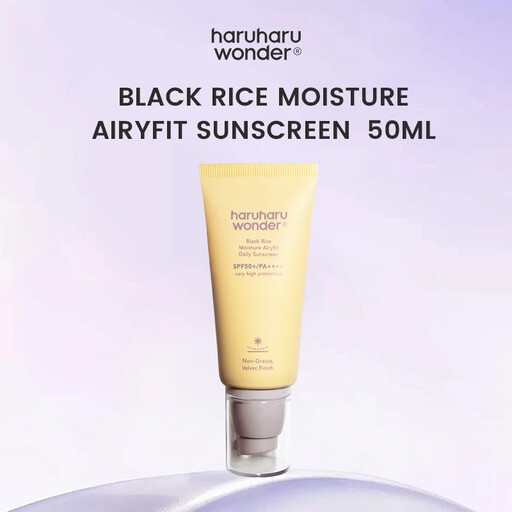
Why this product suits this profile: With SPF50+, PA++++ and a lightweight texture, this product is designed for the daily commute and your morning skincare routine. According to the product description, the formulation is suitable for all skin types.
The SPF50+ and PA++++ claims make the UVB and UVA protection clearer than purely glow- or skincare-focused marketing.
SPF50+, PA++++, 50 ml and a non-sticky finish according to the description.
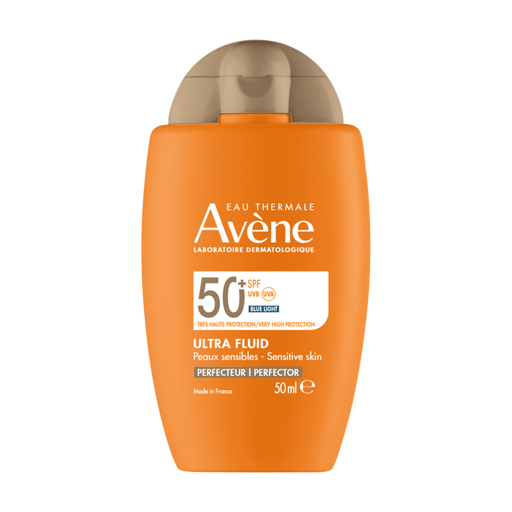
Why this product suits this profile: The tinted, ultra-fluid formulation was developed for sensitive skin and can be used as a make-up base. According to the product information, the tint provides subtle colour correction but does not offer foundation-level coverage.
The product description explicitly states that the universal tint may look different depending on your skin tone and undertone.
SPF50+, UVA, UVB and HEV claims, fragrance-free, octocrylene-free and water-resistant according to the product information.
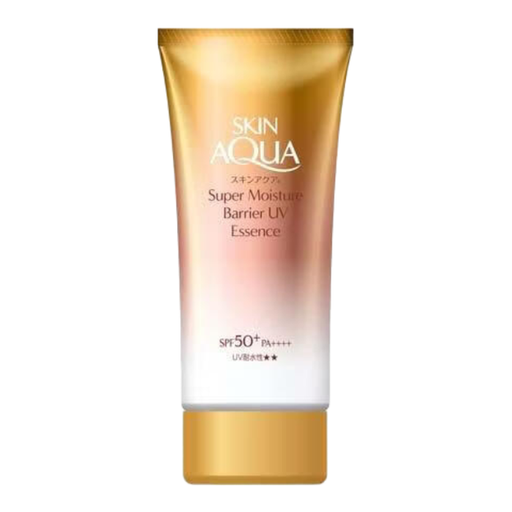
Why this product suits this profile: According to the product description, the essence texture is designed for the face and body, as well as for sporting activities or situations involving heavy sweating. SPF50+ and PA++++ are clearly stated.
The application instructions recommend applying several layers and reapplying regularly, rather than presenting a single application as sufficient.
SPF50+/PA++++, moisturising ingredients and UV film formation described as suitable for outdoor use.
We have put together a complete, regularly updated list of products that fully meet these strict selection criteria and the safety regulations applicable in the EU.
Apply your SPF 50 facial sunscreen as the final step in your morning skincare routine. A serum such as the Artichoke Intensive Skin Barrier Ampoule can be used beforehand, but it is not a substitute for sun protection. Allow your skincare products to absorb briefly, then apply the sunscreen evenly to your face and neck.
Additional measures are recommended when spending longer periods outdoors:
An SPF30 product such as RoC Multi Correction Hydrate & Plump Daily Moisturiser or Eucerin Anti-Pigment Day Cream SPF30 may be worth considering for certain everyday situations. For prolonged sun exposure, the specific protection level, the amount applied and reapplication are all decisive.
This depends on your skin type, the season, the UV index and how long you spend outdoors. SPF 50+ offers a high stated level of UVB protection and may be a suitable choice, particularly for photosensitive skin or skin prone to pigmentation. Even with SPF 50, regular reapplication is still necessary.
Use the amount recommended on the packaging. As a practical guide, the two-finger rule is often used for the face and neck. It is important not to miss the hairline, ears or jawline.
Many fluids and tinted sunscreens are designed to be used as a make-up base. Allow the product to absorb evenly first, then apply foundation without rubbing vigorously. If the sunscreen is tinted, check the colour along your jawline and neck, as a “universal” shade will not look the same on every skin tone.