
Lieferung heute & morgen

Qualitätsgarantie

Willkommens-Angebote freischalten: KOSTENLOSE Lieferung | Bis zu 80 % RABATT | Kostenlose 30-Tage-JoyPlus-Testphase
App herunterladen
An SPF 50 facial sunscreen should provide reliable protection from UV radiation while fitting seamlessly into your skincare routine. In practice, choosing the right product often comes down not to the sun protection factor, but to the texture, application and availability of clear product information. If you are looking for an SPF 50+ facial sunscreen for everyday use, you should therefore look beyond marketing claims such as “invisible”, “brightening” or “anti-ageing”.
The Sun Protection Factor (SPF) primarily describes protection against UVB radiation, which is associated with sunburn. For everyday use, UVA protection is also important. UVA radiation can penetrate deeper into the skin and is often associated with light-induced skin changes.
Look out for:
A high SPF does not replace applying enough product or reapplying regularly.
Facial sun fluid, sun serum and lightweight lotions often feel pleasant on the skin. However, using too little product reduces the actual level of protection. As a practical guide, for the face and neck use approximately two finger lengths of a fluid product. With sticks, the amount is harder to judge. An SPF 50 sun stick is therefore particularly useful when you are out and about and for topping up protection, but it should not automatically be your only morning application.
Claims such as “non-comedogenic”, “low-irritation” or “for sensitive skin” are no substitute for checking the INCI list. Fragrances, essential oils, alcohol or certain UV filters may be relevant for some people. If you have sensitive or blemish-prone skin, a patch test on a small area is recommended. If you have a known skin condition or persistent irritation, seek medical advice.
For daily facial sun protection, SPF 50 is a sensible choice, particularly if you will be spending longer periods outdoors. For the beach, sport or activities that make you sweat, additional information about water resistance is important. Even water-resistant products must be reapplied after swimming, heavy sweating or drying yourself.
Skincare benefits such as niacinamide, centella, hyaluronic acid or vitamin C derivatives can complement your routine. However, they are not a substitute for stated UV protection. Claims about reducing wrinkles or brightening the skin should be understood as cosmetic product features, not medical promises.
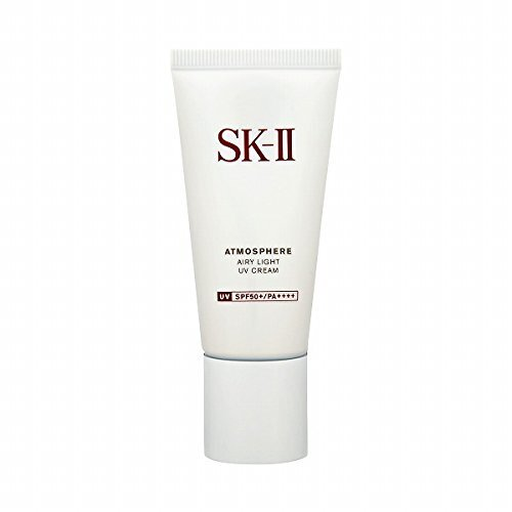
Why this product suits this profile: According to the product description, this cream is intended for the face and daily use, and can be worn under make-up or on its own.
The stated lightweight texture addresses the common challenge of wearing sun protection comfortably under make-up.
SPF50 and PA+++; fast-absorbing and without a heavy feel on the skin, according to the description.
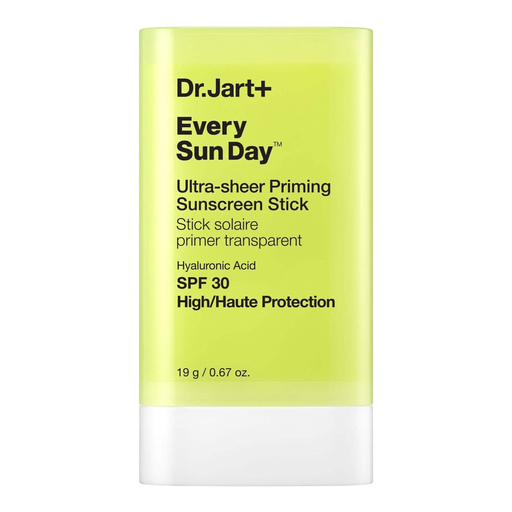
Why this product suits this profile: The stick format is designed for targeted reapplication to the face and exposed areas of skin, while also serving as a make-up base.
The compact format makes it easier to top up your protection on the go, without opening a tube or spreading the product with your hands.
SPF50 with stated UVA/UVB protection; handy stick format with a non-greasy finish according to the product details.
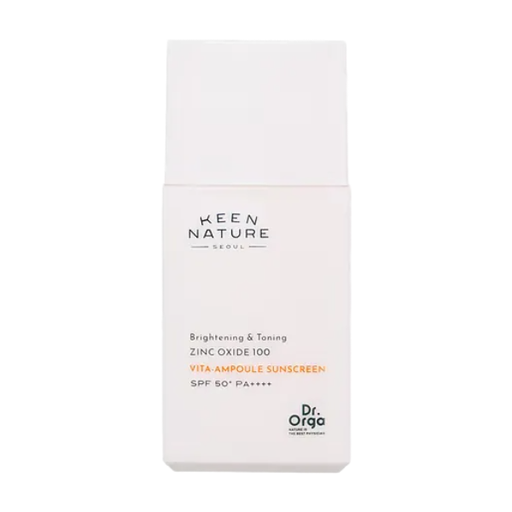
Why this product suits this profile: The product description identifies it as mineral sun protection with zinc oxide, SPF50+ and PA++++, as well as a sun serum that blends easily.
The product category and UV filter zinc oxide are clearly stated. This makes it easier to compare the formulation with your own preferences.
Mineral formulation according to the description; SPF50+ and PA++++ for UVA and UVB protection.
We have put together a complete, regularly updated list of products that fully meet these strict selection criteria and the safety regulations applicable in the EU.
Apply the sunscreen as the final step in your morning skincare routine. When using new products, a small patch test is advisable. Wait briefly before applying make-up to allow the protective film to set. Do not rub too vigorously when blending, as this can cause pilling.
When outdoors, sun protection should be reapplied regularly, particularly after:
The best-before date, batch number and period-after-opening stated on the packaging are the key points to follow. Store the product in a dry place, tightly closed and protected from direct heat. Sunscreen with a changed smell, appearance or texture should not be used further.
For the face and neck, two finger lengths of a fluid product are often given as a guide. Applying an even, generous layer is what matters. With a sun stick, the amount is harder to assess, so it is mainly suitable for reapplication.
Yes, provided the texture and formulation work well with your skincare and foundation. According to the respective product details, lightweight sun fluids, sun serums and priming sticks are intended for this use. Leave a short interval between applying sun protection and make-up. If you notice pilling or streaks, using a different combination or less skincare underneath may help.
Follow the PAO labelling on the packaging, the best-before date and the manufacturer’s instructions. Heat, direct sunlight and leaving the product open frequently can affect its quality. Check the exact expiry date on the relevant packaging.