
Lieferung heute & morgen

Qualitätsgarantie

Willkommens-Angebote freischalten: KOSTENLOSE Lieferung | Bis zu 80 % RABATT | Kostenlose 30-Tage-JoyPlus-Testphase
App herunterladen
For many people, SPF 50 sun cream is part of their daily skincare routine. But product claims don’t always make it easy to choose the right one. A lightweight formula, for example, may contain alcohol or fragrance, while a richer cream can look shiny under make-up. And even a high SPF only provides the stated level of protection if you apply enough and top it up regularly.
This buying guide explains which details really matter when choosing SPF 50 sun cream for your face, and which products may suit your skin type, routine and intended use.
The SPF rating mainly describes protection against UVB rays, which can cause sunburn. For UVA protection, look for additional details such as PA++++, the UVA symbol in a circle or a similar indication on the packaging. For everyday use on your face, SPF 50+ sun cream with high UVA protection is usually a better choice than a product that only promotes its SPF rating.
Water-resistant sun cream can become less effective after swimming, sweating or drying yourself. Claims such as “80 minutes water-resistant” refer to specific test conditions; they don’t mean you can skip reapplying. For the beach, sports and longer periods outdoors, reapply after contact with water and at regular intervals.
A shiny formula may not suit oily or blemish-prone skin. Conversely, a highly mattifying sun cream can leave dry skin feeling tight. “Non-comedogenic” isn’t a personal guarantee either: it describes a product property under specific test conditions, but won’t prevent blemishes for everyone.
For everyday use in Germany, SPF 50 or SPF 50+ and clearly stated UVA protection are important things to look for. Korean sun cream often carries the PA++++ rating, which indicates the level of UVA protection under an Asian rating system. It’s also worth checking the label and directions on the specific packaging, as formulas and labels can change.
A lightweight face sun cream is usually easier to work into your morning routine. Moisturising ingredients such as glycerin, hyaluronic acid or panthenol may be worth looking for if you have dry skin. If your skin is sensitive, check carefully for fragrance, alcohol and essential oils. It may be helpful to test the product on a small area of skin first.
If you’re prone to shine or blemishes, look for non-comedogenic sun cream, an oil-free formula or a sebum-control texture. The full INCI list on the packaging is the definitive guide.
Apply sun cream as the final step in your morning skincare routine. It’s important to use enough on your face and neck; applying too thin a layer reduces the protection you actually get. Most product instructions recommend applying it before going out in the sun and reapplying after sweating, swimming or drying yourself.
A tinted sun cream or BB or CC cream can help even out the appearance of your skin tone. However, it doesn’t automatically replace the need to apply enough of a conventional sun cream. If you’re using a product that also works as make-up, take particular care to apply it evenly.
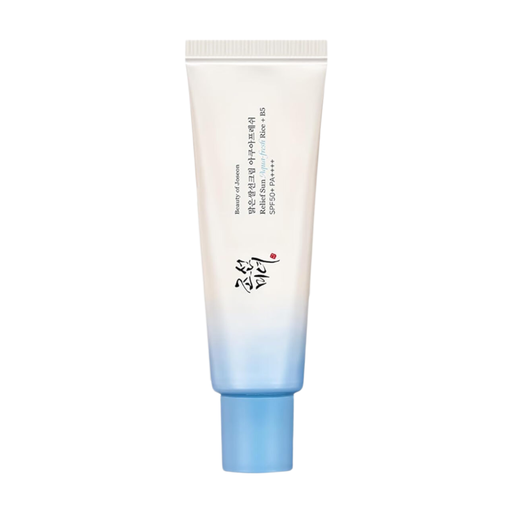
Why this product suits this profile: This lotion-like formula with rice germ water and panthenol is designed to feel light on the skin. SPF50+ and PA++++ make it an appealing choice for everyday use on the face.
The product details highlight a lightweight texture that leaves no whitish residue. If you have sensitive skin, it’s still a good idea to test how your skin responds.
SPF50+, PA++++, rice germ water and panthenol, according to the product description.
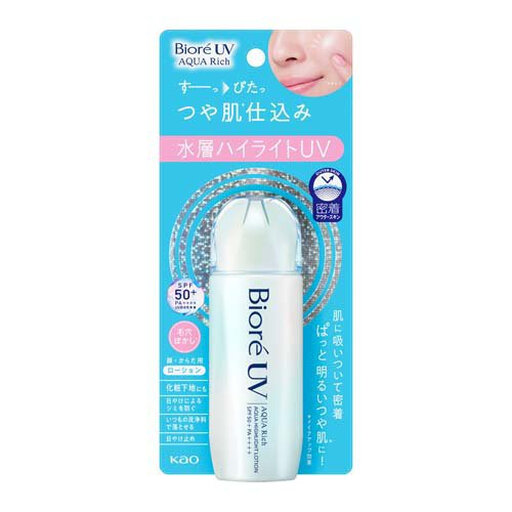
Why this product suits this profile: This lotion is designed for the face and body, and product details say it has been tested for water resistance for up to 80 minutes. Its subtle glow effect may appeal if you want to combine sun protection with a brighter-looking finish.
The water-resistance claim is time-limited and doesn’t replace reapplication. If your skin is particularly sensitive, check the warnings.
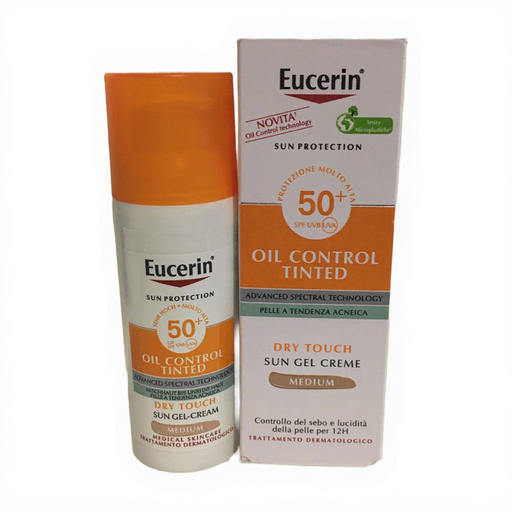
Why this product suits this profile: According to the product details, this tinted gel-cream is oil-free, fragrance-free and non-comedogenic. Its matte finish and tint may suit combination or oily skin, and make it an option to wear under make-up.
The product details specifically describe a matte, water-resistant formula. Check that the universal tint suits your skin tone before buying.
SPF50+, tint, and an oil-free, fragrance-free gel-cream, according to the product description.
We’ve put together a comprehensive, regularly updated list of products that meet these strict selection criteria and fully comply with the safety regulations in force in the EU.
Sun cream cannot guarantee that sun-related pigmentation changes won’t occur, and it doesn’t treat existing skin changes. Seeking shade, wearing clothing and avoiding strong midday sun are still important additional ways to protect yourself.
SPF 50 or SPF 50+ offers a high level of UVB protection, provided you apply enough. For everyday facial skincare, also look for stated UVA protection, a formula your skin tolerates well and a texture you’ll use regularly.
Check the printed best-before date and the symbol showing how long the product can be used after opening. Don’t continue using it if its colour, smell or consistency has changed. The exact period of use is shown on the packaging.
The country of origin alone doesn’t tell you how well your skin will tolerate a product. Check for fragrance, alcohol, UV filters and other ingredients. If you have sensitive skin, it’s best to try the product on a small area first. If you already have skin concerns, consider seeking medical advice.