
Lieferung heute & morgen

Qualitätsgarantie

Willkommens-Angebote freischalten: KOSTENLOSE Lieferung | Bis zu 80 % RABATT | Kostenlose 30-Tage-JoyPlus-Testphase
App herunterladen
SPF 50+ sun cream should be easy to use every day without feeling sticky, leaving a white cast or rubbing off under make-up. Yet product descriptions can often lead to the wrong purchase: high protection levels are paired with unsuitable textures, “water-resistant” is mistaken for lasting protection, and extra benefits such as anti-ageing or brightening are sometimes promoted more heavily than how to use the product.
This buying guide helps you compare SPF 50 facial sun cream, sun lotion, sun fluid and handy formats such as sun sticks and sun protection cushions using clear, practical criteria.
SPF 50 or SPF 50+ primarily describes the tested protection against UVB rays. For everyday use, clearly stated UVA protection is important too. In the EU, look for the UVA symbol in a circle or a clear statement that the product protects against UVA and UVB rays. Japanese and Korean products often carry the PA++++ rating. This is a separate rating system and should not automatically be treated as identical to a European label.
A thin layer may feel more comfortable, but it won’t provide the level of protection stated on the packaging. The so-called two-finger method is often used for the face: squeeze two long strips of sun cream onto your index and middle fingers, then apply them to your face and neck. When using sun protection for your face and body, it’s essential to apply a generous, even layer.
You’ll need to reapply water-resistant sun protection after swimming, sweating or drying yourself. Rubbing, towels and clothing can reduce the film on your skin. Shade, clothing, a sun hat and limiting time in direct sun are also important ways to protect yourself.
For longer periods outdoors, SPF 50 or SPF 50+ is a sensible choice. If you have sensitive skin, check the full INCI list too. Fragrance, alcohol or certain filters may be relevant depending on how your skin reacts. “For sensitive skin” is a product claim, but it’s no guarantee that a product will suit everyone.
Sun protection for sensitive skin should spread as evenly as possible and should not be applied to irritated or broken skin. Stop using the product if redness, stinging or itching persists.
Moisturising ingredients such as glycerine, hyaluronic acid or panthenol can affect a formula’s cosmetic properties. However, they’re no substitute for a suitable skincare routine. Terms such as anti-ageing sun cream, “glow” or “for pigmentation spots” usually describe the product’s positioning or additional cosmetic properties. They are not proof of medical efficacy.
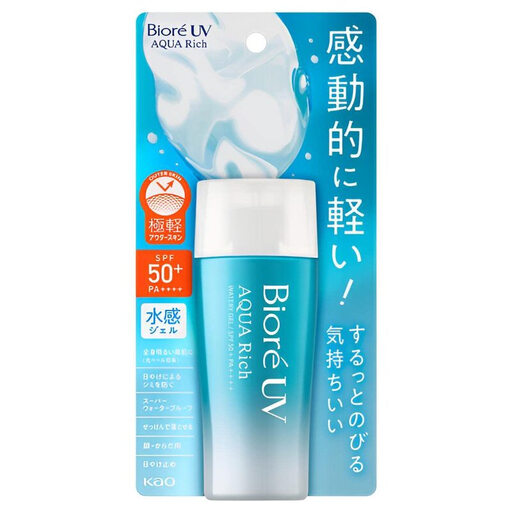
Why it suits this profile: This Japanese sun cream is described as a watery gel for the face and body, making it a good option if you’re looking for a versatile product that feels lightweight on the skin.
The product description highlights a quick-absorbing, non-greasy and fragrance-free gel texture. This may make you less likely to skimp on sun protection because of an unpleasant finish.
SPF 50+, PA++++, 70 ml, stated to be fragrance-free, and suitable for the face and body.
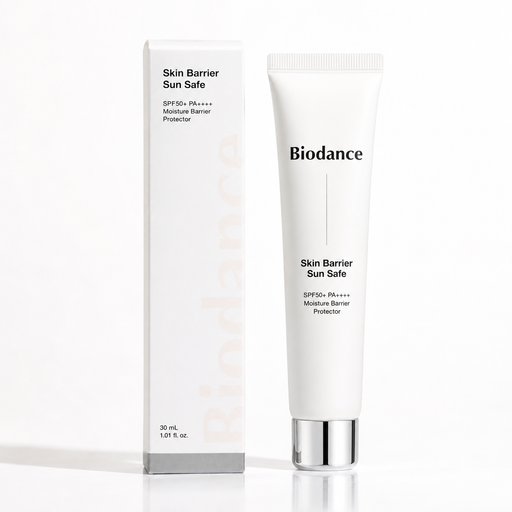
Why it suits this profile: According to the product information, this Korean sun cream combines SPF 50+ and PA++++ with a lightweight face cream texture for everyday use.
The application guidance stresses using enough product and topping up regularly. This puts practical use first, rather than focusing solely on a high protection rating on the label.
SPF 50+, PA++++, plus glycerine, panthenol, ceramide NP and hyaluronic acid in the stated INCI list.
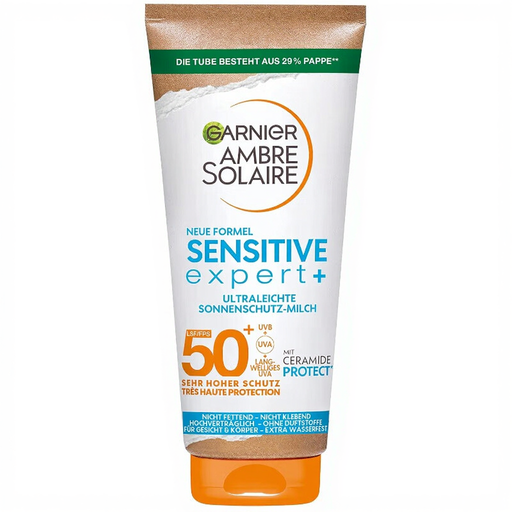
Why it suits this profile: This larger 175 ml sun lotion is designed for use on your arms, legs and torso, making it suitable for regular use outdoors.
The description calls it a lightweight, quick-absorbing sun lotion for fair and sensitive skin. The larger format makes it easier to apply enough to your body.
SPF 50+, 175 ml, a sun lotion texture and, according to the product information, a non-sticky finish.
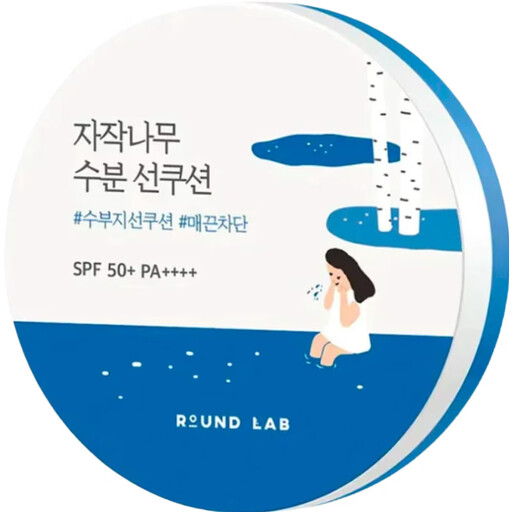
Why it suits this profile: The compact cushion format is designed for topping up throughout the day, such as on your commute or after spending a long time outdoors.
The format makes it easier to top up regularly. For a generous first application, a traditional cream or fluid is easier to control.
SPF 50+, PA++++, 15 g, a cushion applicator, plus hyaluronic acid and glycerine in the stated formula.
We’ve put together a complete, regularly updated list of products that meet these strict selection criteria and fully comply with the safety regulations in force in the EU.
Apply SPF 50 facial sun cream as the last step in your morning skincare routine. If you’re using a tinted product, check how the shade looks along your jawline and on your neck. Tinted sun cream can help even out your complexion, but you still need to apply enough.
Also remember to:
SPF 50 offers a high level of UVB protection when you apply enough product. For a complete picture, also check that UVA protection is clearly stated. Clothing, shade and avoiding the strongest midday sun are still sensible precautions.
It depends on your exposure. Reapply after swimming, sweating or drying yourself. If you’re spending a long time outdoors, top up regularly, even if the product is described as water-resistant.
Check the printed expiry date and the PAO symbol, for example “12M”. Heat, direct sunlight and frequent opening can affect product quality. If the smell, colour or consistency has changed, stop using the product.