
Lieferung heute & morgen

Qualitätsgarantie

Willkommens-Angebote freischalten: KOSTENLOSE Lieferung | Bis zu 80 % RABATT | Kostenlose 30-Tage-JoyPlus-Testphase
App herunterladen
SPF 50 sun cream is often associated with very high protection. But the sun protection factor alone isn’t enough to help you choose the right product. Texture, UVA labelling, how much you apply, water resistance and skin compatibility all affect whether you’ll use it regularly in everyday life.
Here in Germany, three common marketing traps can lead to the wrong purchase:
SPF 50 or SPF 50+ mainly refers to protection against UVB rays, which are one of the causes of sunburn. UVA rays penetrate deeper into the skin and are also a concern in everyday life and on cloudy days. For daily sun protection, you should therefore consider both types of rays.
In the European Union, look for the UVA symbol in a circle or comparable manufacturer information when UVA protection is stated. Korean or Japanese products may also carry a PA rating. PA++++ is a non-European rating and shouldn’t be directly equated with European labelling without checking the additional product information.
A lightweight SPF 50 facial sun cream may feel more comfortable on oily or blemish-prone skin than a rich cream. For dry or mature skin, moisturising ingredients and a creamier texture may be a better choice.
If you have sensitive skin, check the full INCI list and look out for potential fragrance ingredients. Terms such as “hypoallergenic” or “for sensitive skin” don’t guarantee that a product will suit you personally. If your skin is reactive, try the product on a small area first. If irritation persists, stop using it and seek medical advice if necessary.
“Water-resistant” doesn’t mean a product will stay unchanged on your skin after prolonged contact with water. For your face and body, apply generously — ideally around 2 mg per cm² of skin — and reapply regularly. For your face, this is roughly two finger lengths of product, depending on the formulation and dispenser.
Apply sun protection before going outdoors. Reapply after swimming, heavy sweating or drying off. Shade, clothing, a sun hat and avoiding intense midday sun are also important ways to protect yourself.
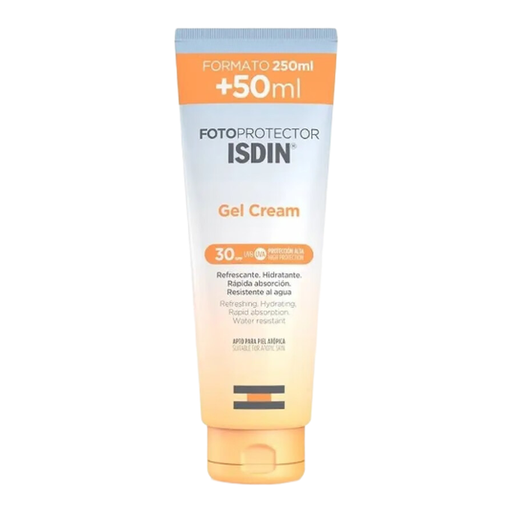
Why it suits this profile: This gel cream is labelled for SPF 50+ body protection and is designed to absorb quickly without leaving a greasy feel.
The product information specifically highlights quick absorption and a non-greasy feel. Check the packaging for instructions on using it on your face and body.
SPF 50+, 100 ml and a gel cream texture, with stated UVA and UVB protection.
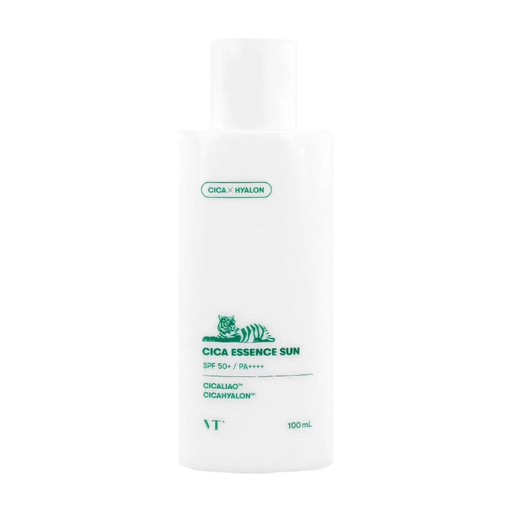
Why it suits this profile: Its lightweight essence texture is designed for daily use and as a base for make-up. The product information states SPF 50+ and PA++++.
The product description highlights a lightweight, non-sticky texture and its suitability for use under make-up, rather than relying on a high SPF figure alone.
100 ml, SPF 50+, PA++++, ceramides and ingredients related to hyaluronic acid, according to the product information.
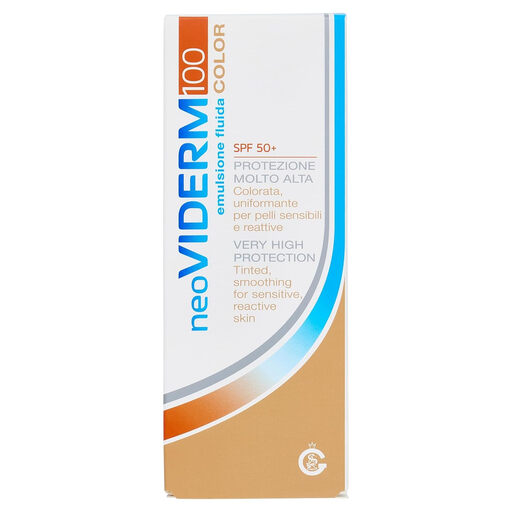
Why it suits this profile: This tinted fluid is labelled as suitable for sensitive and reactive skin, and can also be used as a make-up base.
The product information states SPF 50+, UVA and UVB protection, as well as water resistance. You’ll still need to reapply after contact with water or a towel.
Tinted emulsion, SPF 50+, water-resistant formula and stated testing for selected traces of metals.
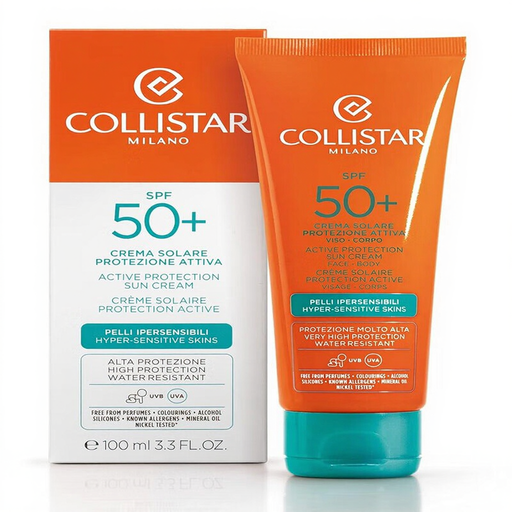
Why it suits this profile: According to the product information, this SPF 50+ sun cream is suitable for your face and body, making it a good fit for a shared family routine.
The instructions advise applying before sun exposure and reapplying every two hours, as well as after swimming, sweating or drying off.
100 ml, SPF 50+, suitable for the face and body, with guidance on reapplication.
We’ve put together a complete, regularly updated list of products that meet these strict selection criteria and fully comply with the safety regulations in force in the EU.
For your face, the two-finger rule is a useful guide. You’ll need considerably more for your body; make sure your arms, legs, torso and back are fully covered. If you don’t apply enough product, the protection you get will be lower than the SPF stated on the packaging.
Reapply sun protection regularly, especially after swimming, sweating or drying off. You’ll need to reapply even if your sun protection is water-resistant. If you’re spending a long time outdoors, back it up with clothing, shade and a hat.
Foundation with SPF can provide extra protection, but in everyday use it’s usually applied in a smaller amount than sun cream. For longer periods outdoors, a separate SPF 50 facial sun cream applied generously is the more reliable base. You can apply make-up once the sun protection has been fully absorbed.