
Lieferung heute & morgen

Qualitätsgarantie

Willkommens-Angebote freischalten: KOSTENLOSE Lieferung | Bis zu 80 % RABATT | Kostenlose 30-Tage-JoyPlus-Testphase
App herunterladen
SPF 50 sun cream is a popular choice for protecting your face and body from UV rays on a regular basis. However, a high SPF alone doesn’t guarantee you’re making the right choice. Texture, UVA labelling, skin compatibility and how easy the product is to use day to day all matter too.
The SPF rating mainly indicates protection against UVB rays, which are associated with sunburn. For everyday sun protection, you should also look for a clear UVA label, such as PA++++ or the UVA symbol on the packaging. Products labelled “SPF 50+” can still differ in their UVA protection and formulation.
Water-resistant sun protection can lose some of its effectiveness when you swim, sweat or towel yourself dry. So the label doesn’t mean you can skip reapplying. Depending on the product instructions, you should reapply after contact with water, heavy sweating or drying yourself off.
Lightweight sun fluids and fast-absorbing SPF 50 sun lotions often feel comfortable on the skin. But if you don’t apply enough, the protection you actually get won’t match the level stated on the packaging. Apply sun care generously and evenly to your face, ears and neck. If you’re spending a long time outdoors, covering up with clothing, wearing a hat or finding shade is also a good idea.
Look out for the following:
A product with UVA and UVB protection should be applied generously and regularly. The SPF rating isn’t a licence to spend unlimited time in the sun.
Lightweight sun fluids, gel-creams and sun creams that work under make-up are often a good choice for the face. Dry or mature skin may benefit from a richer formula. If you have oily or blemish-prone skin, non-greasy textures and claims such as “non-comedogenic” may be worth looking for, if they’re listed on the packaging or product page.
For your body, larger pack sizes and easy-to-spread sun lotions are practical. A product designed for sun protection for face and body can simplify your routine, but it should still suit the areas you’re applying it to.
If you have sensitive skin, it’s worth checking for fragrance, alcohol, essential oils and any known allergens. “Natural” or “Korean sun care” aren’t enough on their own to guarantee a product will suit your skin. When trying a new product, test it on a small area of skin first. Stop using it if you notice redness, stinging or itching.
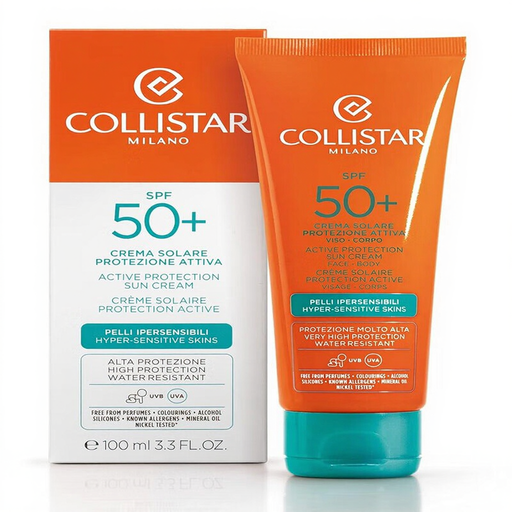
Why this product suits this profile: According to the product details, this 100 ml cream is designed for the face and body, making it easy to work into a simple daily sun care routine.
The product description specifies SPF50+, use on the face and body, and reapplication after swimming, sweating or drying yourself off.
SPF50+, 100 ml and a formula with stated UV filters and glycerin.
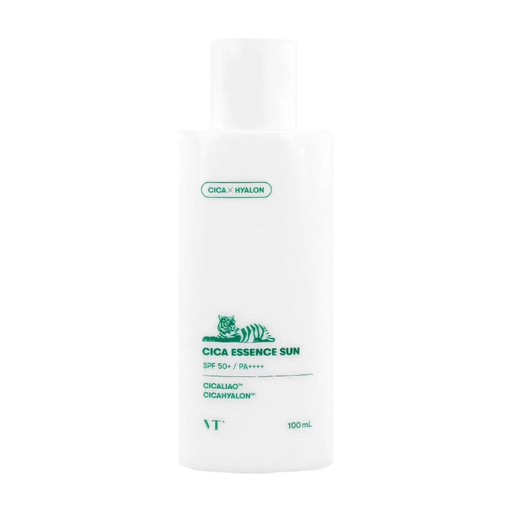
Why this product suits this profile: Its lightweight essence texture may appeal if you prefer to wear sun cream under make-up and are looking for Korean sun care with UVA and UVB labelling.
The product details describe a fast-absorbing, milky texture that leaves no white cast, as well as SPF50+ and PA++++.
100 ml, several forms of hyaluronic acid, ceramides and niacinamide according to the INCI list; the formula contains fragrance.
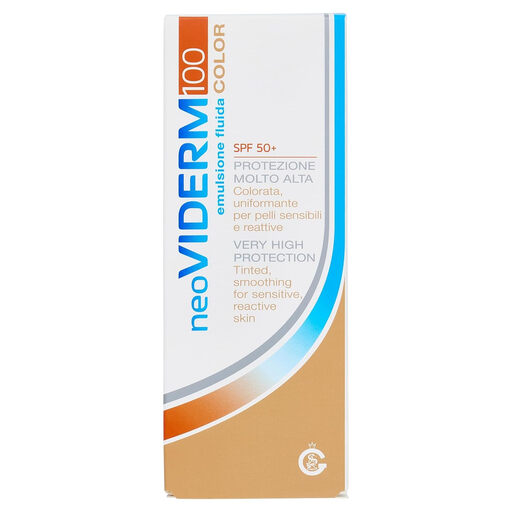
Why this product suits this profile: This tinted fluid is for anyone looking to combine stated SPF50+ sun protection with a more even-looking complexion.
The product details mention water resistance, tinted shades and the recommended application amount of 2 mg/cm².
Tinted emulsion, UVA/UVB protection according to the product details and a water-resistant formula; fragrance is listed in the INCI list.
We’ve put together a comprehensive, regularly updated list of products that meet these strict selection criteria and the safety regulations in force across the EU.
Apply sun cream evenly before going outdoors. If you’re spending a long time in the sun, reapply regularly, especially after swimming, sweating or drying yourself off. Water-resistant sun protection also needs to be reapplied.
In the evening, remove your sun care thoroughly. For water-resistant or tinted products, a cleansing balm such as BANILA CO Clean it Zero Original Cleansing Balm may work well as the first step in a double cleanse. The product details say it removes make-up and sun cream; if you have sensitive skin, check the INCI list for fragrance and essential oils.
You can apply after-sun care after showering, but it doesn’t replace adequate sun protection. According to the product description, the NUXE Sun Oil SPF 30 + After-Sun Milk Set contains a sun protection oil with SPF 30 and an after-sun lotion. If you’re specifically looking for SPF 50, bear in mind that this set has a lower SPF.
It depends on the texture, ingredients and how well your skin tolerates it. Sun fluids and lightweight essences are often suitable for everyday use. If you have sensitive skin, check for fragrance, alcohol and known allergens. Even with a lightweight texture, applying enough remains essential.
Check the printed best-before date and the symbol showing how long the product lasts after opening. Heat, direct sunlight and frequently opening the container can affect the product’s quality. Follow the instructions on the packaging and store your sun care in a cool, dry place.
Yes. Even water-resistant sun protection can be partly removed by water, sweat and towels. Reapply the product afterwards, making sure to use enough. If you’re spending a long time in the sun, also seek shade, cover up and wear a hat.