
Lieferung heute & morgen

Qualitätsgarantie

Willkommens-Angebote freischalten: KOSTENLOSE Lieferung | Bis zu 80 % RABATT | Kostenlose 30-Tage-JoyPlus-Testphase
App herunterladen
SPF 50 sun cream is a popular choice for adults and families looking for a high level of UV protection day to day, on holiday or during longer periods outdoors. But choosing the right product involves more than just checking the number on the label. Texture, UVA protection, water resistance and how well it suits your skin all affect whether you’ll use it regularly and apply enough.
As Joybuy Product Recommendation Officer, I assess product information against clear criteria and explain which features matter for different skin types and uses.
The sun protection factor mainly indicates protection against UVB rays, which contribute to sunburn. For more comprehensive protection, look for a clearly stated level of UVA protection too. Korean and Japanese sun creams often carry the PA++++ rating, which indicates a high UVA protection category under the rating system used in those countries.
Whatever the SPF, apply sun cream generously and evenly, and reapply regularly. In strong sunshine, shade, clothing and a hat are still important ways to add to your protection.
Water-resistant sun cream may hold up better when swimming than a formula that isn’t labelled as water-resistant. Even so, water, sweat, rubbing and towelling dry can reduce the protective layer. Reapply after swimming, heavy sweating or drying yourself with a towel.
Also check that water resistance is actually stated in the product description or on the packaging. A pleasant, fast-absorbing texture doesn’t mean a product is water-resistant.
Sun care products may also contain moisturising ingredients, oils, ceramides or plant extracts. But that doesn’t automatically make them suitable for every skin type. Fragrance, alcohol, certain UV filters or essential oils may be a concern for reactive skin. If you have known sensitivities, it’s worth doing a patch test on a small area of skin.
For sun protection on your face and body, look for a clear UVA claim alongside SPF 50. European products often display the UVA symbol in a circle. Products from Korea or Japan may also show a rating such as PA++++. Check the label on the packaging, as product information can change between batches.
For everyday sun care, choose a texture that spreads evenly and works well with make-up or clothing. A non-greasy sun cream or gel-cream can feel comfortable for daily use. Richer lotions may be better suited to dry skin or larger areas of the body.
A product for both face and body can simplify your routine. For facial use, also consider tint, fragrance, eye compatibility and how it might interact with the rest of your skincare.
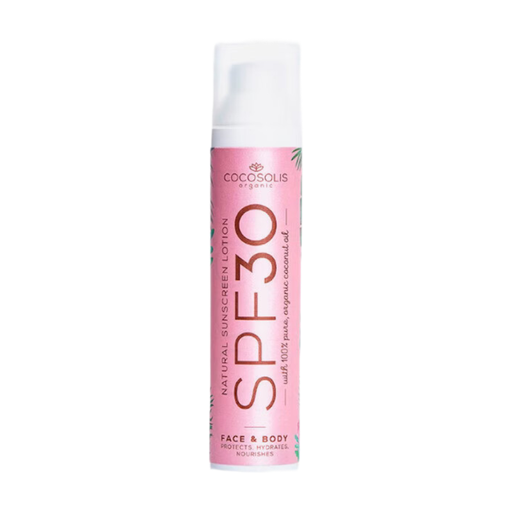
Why it suits this profile: This lotion is designed for the face and body, making it an alternative for anyone who deliberately chooses SPF 30 for everyday use.
The stated SPF 30 makes it clear that this isn’t an SPF 50 product. The product description specifies UVA and UVB protection.
100 ml, designed for the face and body, with non-nano zinc oxide and raspberry seed oil, according to the product information.
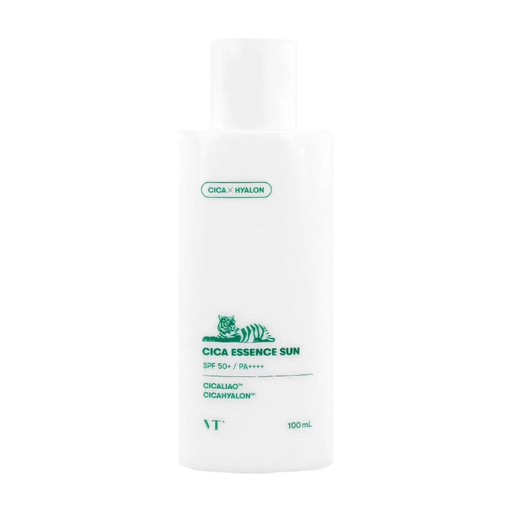
Why it suits this profile: This fluid sun essence is designed for everyday use and as a base under make-up.
SPF 50+ and PA++++ are clearly stated. The product description says it has a lightweight texture that doesn’t leave skin feeling sticky or greasy.
100 ml, SPF 50+, PA++++, ceramide NP and several forms of hyaluronic acid according to the INCI list; described as non-comedogenic.
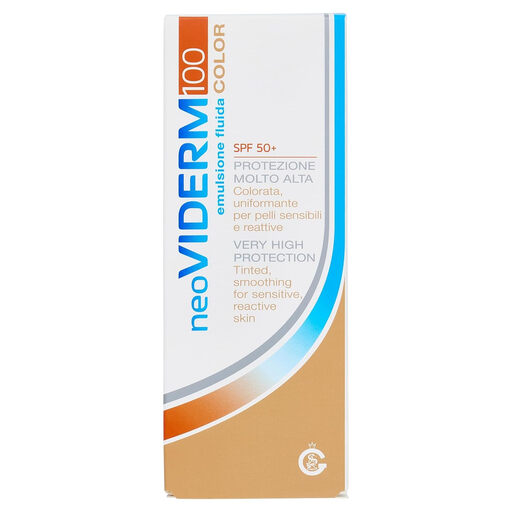
Why it suits this profile: This tinted emulsion combines high UV protection with a more even-looking complexion, and can be used as a make-up base.
The product information states SPF 50+, UVA and UVB protection, as well as water resistance. So these key details aren’t being inferred from the texture alone.
50 ml, tinted formula, described as hypoallergenic and tested for certain traces of metals below 5 ppm, according to the manufacturer.
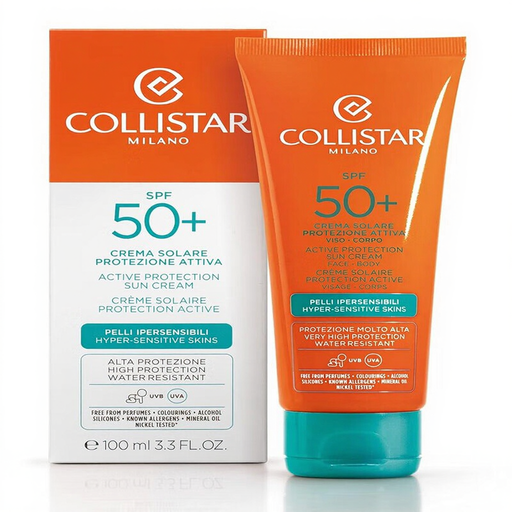
Why it suits this profile: This 100 ml cream is designed for the face and body, making it easy to include in a shared family routine.
The directions recommend applying a generous amount before going outdoors, then reapplying after contact with water, sweating or drying off.
SPF 50+, UVA and UVB filters, and suitable for the face and body; the ingredients also include vitamin E derivatives and plant extracts.
We’ve put together a complete, regularly updated list of products that meet these strict selection criteria and fully comply with the safety regulations in force in the EU.
Apply sun cream generously to all exposed areas of skin. The face, ears, neck, nape, hands and tops of the feet are often missed. Reapply during longer periods outdoors, even if the product is water-resistant.
After opening, use sun cream within the period shown by the best-before date or the period-after-opening symbol. Heat and direct sunlight can affect the formula, so store the pack somewhere cool and out of direct sunlight if possible. After sun exposure, a separate after-sun product can moisturise your skin, but it isn’t a substitute for sun protection.
SPF 50 may be a good choice for fair, sensitive or reactive skin, and when UV levels are high. For everyday use, it’s also important to apply enough product, spread it evenly and reapply regularly. The right SPF depends on your skin type, how long you’ll be outdoors and how strong the sun is.
As a general guide, apply a generous, even layer to all exposed areas of skin. For your face, the two-finger rule can be a rough guide for everyday use; you’ll need considerably more for your body. The recommended amount may vary depending on the product and its packaging instructions.
Check the best-before date on the packaging and the symbol showing how long the product can be used after opening. If the colour has changed, it smells unusual or the texture has separated, it’s best not to use it. Keep sun cream away from heat and direct sunlight.