
Lieferung heute & morgen

Qualitätsgarantie

Willkommens-Angebote freischalten: KOSTENLOSE Lieferung | Bis zu 80 % RABATT | Kostenlose 30-Tage-JoyPlus-Testphase
App herunterladen
SPF 50 sun cream won’t necessarily give you optimal protection if you apply too little or choose a product that isn’t suited to your skin type or how you plan to use it. Many people base their choices on claims such as ‘ultra-light’, ‘water-resistant’ or ‘no white cast’, while overlooking important details in the product description.
Three common pitfalls:
SPF 50 or SPF 50+ primarily refers to protection against UVB rays. For everyday use, a stated level of UVA protection is also important. Ratings such as PA++++ come from a different assessment system and indicate a high UVA protection category according to the product’s testing.
Specially formulated products with a light texture are often a good choice for your face. Face sun cream should spread evenly and work well with make-up and other skincare products. Larger tubes, sprays and sun lotions are often more practical for your arms, legs and décolletage.
If you have dry skin, moisturising ingredients such as glycerin, panthenol, aloe or hyaluronic acid may feel comfortable. However, they are no substitute for personalised skincare and are not a promise of therapeutic benefits.
If you have oily or blemish-prone skin, look for claims such as lightweight sun cream, ‘non-greasy’ or ‘mattifying’. These describe the formulation, but don’t guarantee a particular reaction from your skin.
Choose sun cream for sensitive skin after checking the full ingredients list. If you have known sensitivities, it’s a good idea to test the product carefully on a small area of skin first. Stop using it if irritation occurs.
Your face and body need an adequate amount of sun cream. Two finger lengths is often suggested as a practical guide for the face; the key is to apply a generous, even layer. Apply the product before going outdoors, following the instructions on the packaging.
Even water-resistant sun cream will lose some of its protection through swimming, sweating and drying yourself. You’ll therefore need to reapply it. An SPF 50 sun stick is also better for topping up your protection than as your only layer, as it’s easy to apply too little with a stick.
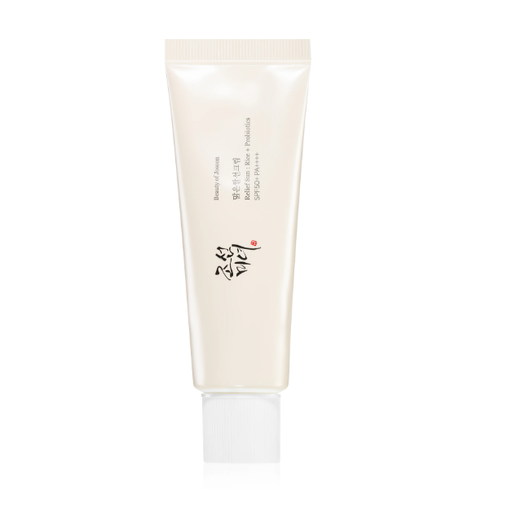
Why this product suits this profile: According to the product information, this Korean sun cream combines SPF 50+ PA++++ with rice extract, fermented ingredients and a light, creamy texture.
The product information describes a non-sticky texture. For an informed choice, always check the latest ingredients and usage instructions on the packaging.
PA++++, SPF 50+ and 50 ml; according to the description, the formula is designed for repeated application.
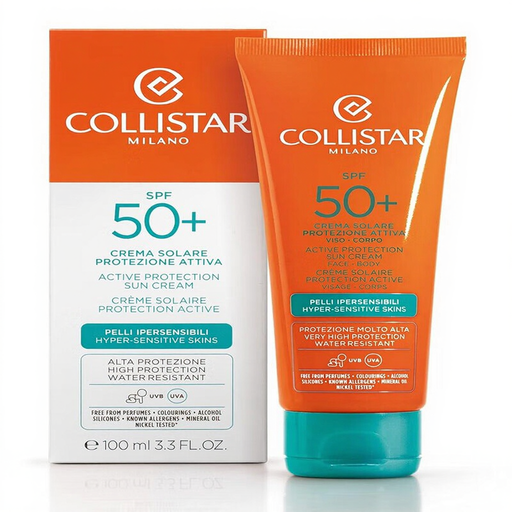
Why this product suits this profile: With 100 ml of product, this cream is designed for the face and body according to the product information, making it suitable for regular use on larger areas of skin.
The face and body label means you may not need to carry several products. Reapply after swimming, sweating or drying yourself.
SPF 50+, 100 ml and suitable for the face and body; the INCI list is included in the product description.
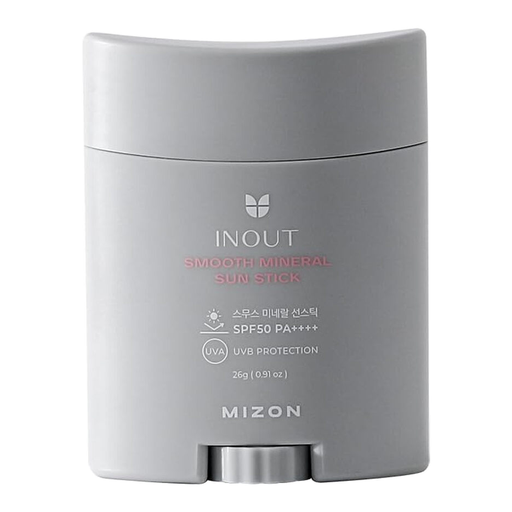
Why this product suits this profile: The 26 g stick can be applied without touching it directly with your hands. According to the product information, it contains zinc oxide, shea butter and hyaluronic acid.
Its compact format makes it easy to top up your protection when you’re out and about. For your first application, use several strokes to apply a generous, even layer.
SPF 50, PA++++, stick format and, according to the product information, a vegan, fragrance-free formula.
Reapply regularly. It’s particularly important to do so after swimming, heavy sweating or drying yourself. Always follow the specific instructions on the packaging. Reapplying won’t fully restore the original level of protection if you’ve already spent too long in direct sunlight.
Two finger lengths is often used as a practical guide for the face, ears and neck. The important thing is to apply a generous, even layer. It’s harder to judge how much you’re using with a sun stick, so apply it carefully, passing it over your skin several times.
The open-jar symbol on the packaging shows how long the product is recommended for use after opening. You should also check its smell, colour and consistency. Don’t use the product if these have changed or if it’s past its expiry date.