
Lieferung heute & morgen

Qualitätsgarantie

Willkommens-Angebote freischalten: KOSTENLOSE Lieferung | Bis zu 80 % RABATT | Kostenlose 30-Tage-JoyPlus-Testphase
App herunterladen
SPF 50 sun cream is part of many people’s daily skincare routine. But claims such as ‘ultra-light’, ‘no white cast’ or ‘water-resistant’ don’t automatically guarantee the right purchase. Three common pitfalls can often lead to buying the wrong product:
SPF 50 and SPF 50+ mainly refer to protection against UVB rays, which can cause sunburn. Also look for a symbol such as UVA in a circle, ‘UVA/UVB’ or, on Korean products, a label such as PA++++. These terms come from different labelling systems and aren’t directly equivalent.
For spending longer outdoors, fair skin and strong sunshine, SPF 50+ sun protection is an obvious choice. However, sun cream is no substitute for shade or clothing. Extra coverage can be helpful, particularly around midday and in the afternoon.
An SPF 50 face sun cream should fit easily into your daily skincare routine. Use these pointers to help you choose:
Claims such as ‘no white cast’ depend on factors including the filter technology, your skin type and how much you apply. Mineral filters can leave visible residue, while transparent or tinted formulas may help reduce this effect.
Apply sun cream generously and evenly. The so-called two-finger rule is often used as a practical guide for the face; you’ll need considerably more product for the body. Always follow the specific instructions on the packaging.
It’s also important to:
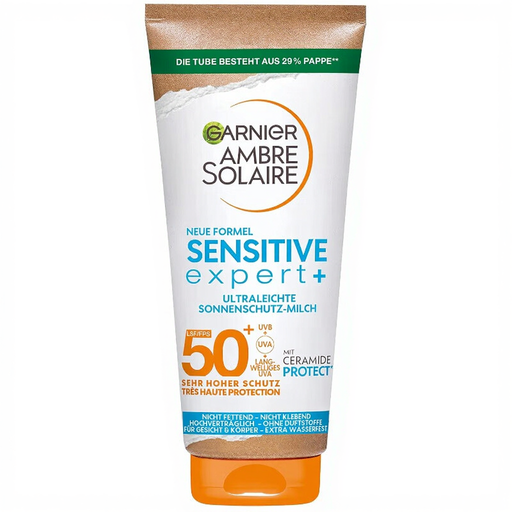
Why it suits this profile: This 175 ml sun lotion is designed for the body, and its spray format is handy for applying to your arms, legs and torso.
According to the product description, the lightweight lotion absorbs quickly and shouldn’t leave a sticky feel. You’ll still need to apply enough product.
SPF 50+, 175 ml, spray format and, according to the supplier, 48% less plastic in the packaging.
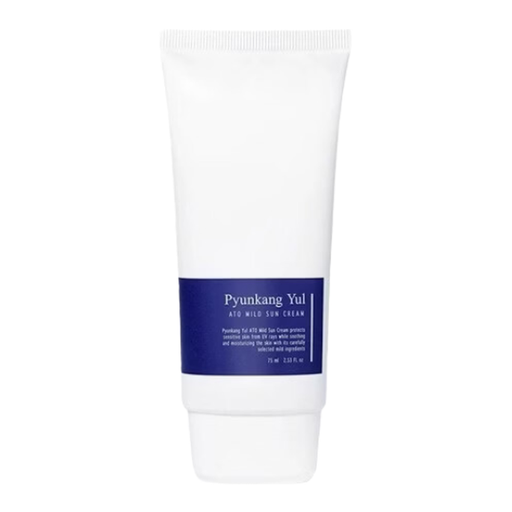
Why it suits this profile: According to the product description, the ATO range is designed for sensitive, dry or atopy-prone skin.
The product description highlights a lightweight, non-greasy texture and minimal visible residue. Even so, check the INCI list before use.
SPF 50, PA++++, suitable for the face and part of a product range designed for sensitive skin.
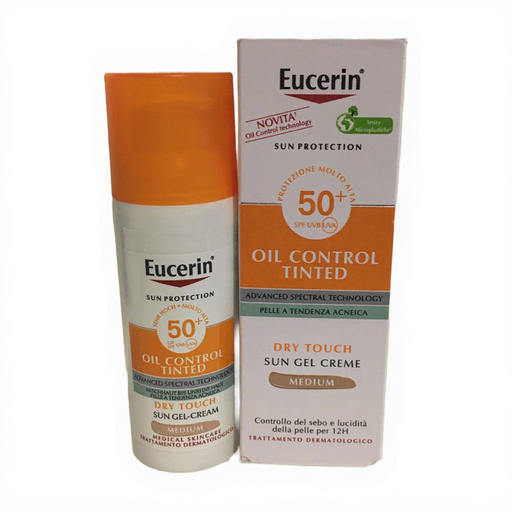
Why it suits this profile: According to the supplier, this tinted gel cream is designed for combination and oily skin and can be used as sun protection for the face.
The gel cream is labelled oil-free, fragrance-free and non-comedogenic. Its universal tint can help reduce visible residue.
SPF 50+, tinted texture, matte finish and a fragrance-free, non-comedogenic formula according to the product information.
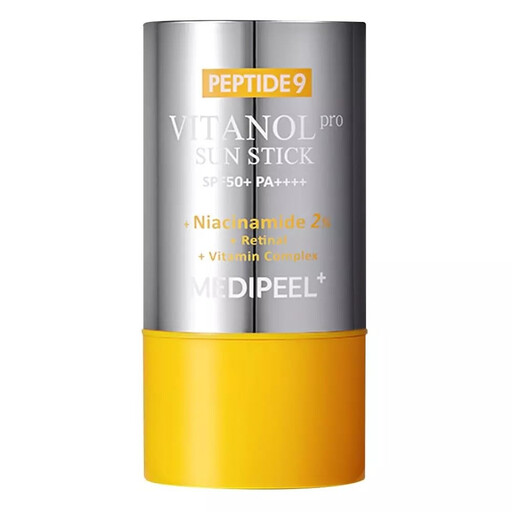
Why it suits this profile: The stick format is handy for topping up on the go, whether you’re travelling, commuting or reapplying after exercise.
You can apply the stick without touching the product directly with your hands. To create an even layer of protection, glide it carefully over your skin several times and reapply regularly.
SPF 50+, UVA/UVB protection according to the product information, a compact format and a lightweight, non-greasy texture according to the manufacturer’s description.
We’ve put together a complete, regularly updated list of products that meet these strict selection criteria and fully comply with the safety regulations in force in the EU.
Reapply sun protection after swimming, sweating or drying yourself. Regular reapplication is a good idea if you’re exposed to UV rays for an extended period. However, this doesn’t automatically mean you can spend longer in the sun.
Check the symbol showing how long the product lasts after opening, the best-before date and the information on the packaging. Heat and direct sunlight can affect the formula, so store the product in a cool place with the lid closed wherever possible. If its smell, appearance or feel on your skin changes, don’t use it again.
SPF 50 alone doesn’t tell you whether a product will suit your skin. Check the full ingredients list, choose a fragrance-free formula if needed and test the product on a small area of skin first. If irritation persists, stop using it and seek advice from a dermatologist if necessary.