
Lieferung heute & morgen

Qualitätsgarantie

Willkommens-Angebote freischalten: KOSTENLOSE Lieferung | Bis zu 80 % RABATT | Kostenlose 30-Tage-JoyPlus-Testphase
App herunterladen
SPF 50 sun cream is part of many people’s daily skincare routine. But eye-catching claims don’t automatically mean a product is right for you. Terms such as “invisible”, “water-resistant” and “for all skin types” often describe only some of a product’s properties.
Three common buying misconceptions are particularly important:
The SPF rating mainly indicates protection against UVB rays, which are associated with sunburn. When choosing SPF 50 sun cream, you should also look for a stated level of UVA protection. The UVA symbol in a circle is an important guide in the EU.
Korean sun cream often carries a PA++++ rating. This indicates a high level of UVA protection under the rating system used there. That makes SPF 50 PA++++ sun protection particularly appealing if you’re looking for SPF 50 facial sun cream for everyday use.
Important: no sun protection product lets you stay in direct sunlight indefinitely. It’s still sensible to seek shade, wear clothing and a hat, and avoid the strongest midday sun.
If you have dry skin, a moisturising sun cream containing glycerin, hyaluronic acid or similar humectants may feel comfortable. If you have sensitive skin, check the full INCI ingredient list and try new products on a small area of skin first.
A lightweight sun cream that doesn’t leave a white cast can be practical for medium to darker skin tones and under make-up. Mineral filters can leave visible residue, while modern organic filters are often formulated to be more transparent. However, this depends on the product, how you apply it and your skin type.
Light, non-greasy formulas are often more comfortable for blemish-prone skin. Claims such as “non-comedogenic” are made by the individual supplier, though, and aren’t a guarantee that a product will suit everyone.
Water-resistant sun cream is suitable for the beach, outdoor pool or sport if the supplier states that the product has undergone the relevant testing. The product should specify how long it remains water-resistant. According to its product description, Biore UV Light Up Essence is water-resistant for 80 minutes.
A handy guide for your face is to use roughly two finger-lengths of product. Apply an even layer to your face, ears, neck, chest and any other uncovered areas. Reapply after swimming, heavy sweating or towel-drying.
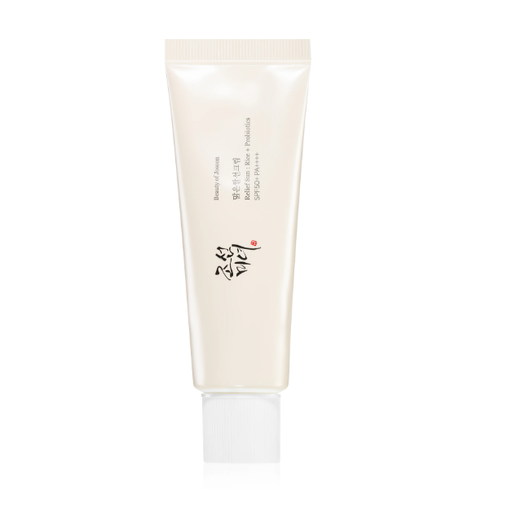
Why it suits this profile: This creamy facial sunscreen can be applied in layers. It’s aimed at people who want to combine UV protection with a well-cared-for feel in their everyday routine.
The product description says it has a lightweight, non-sticky texture. This makes it a suitable option to wear under make-up or over your daytime skincare, without guaranteeing a particular effect on your skin.
SPF50+ PA++++, plus rice extract and fermented ingredients according to the product details; 50 ml for facial use.
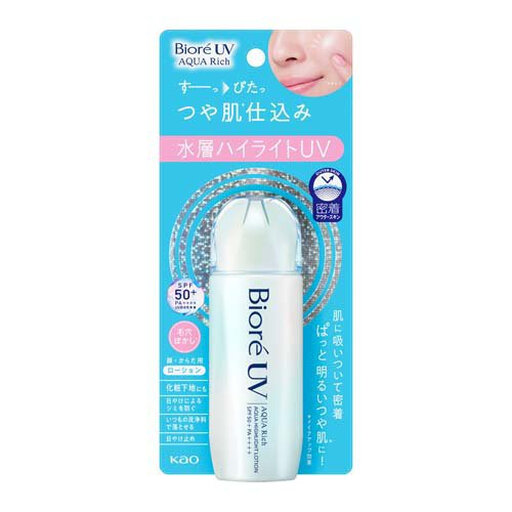
Why it suits this profile: This formula for face and body is designed for outdoor activities and may appeal if you prefer water-resistant sun protection.
The product description states that it has been tested for water resistance for 80 minutes. You’ll still need to reapply after towel-drying and make sure you apply it evenly.
SPF50+ PA++++, 70 ml, suitable for face and body, and water-resistant for 80 minutes according to the supplier.
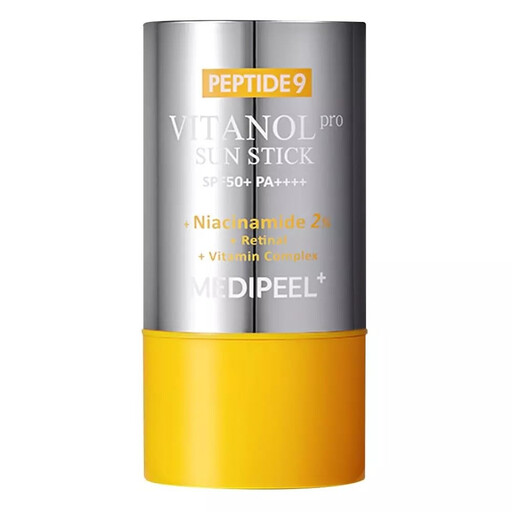
Why it suits this profile: An SPF 50 sun stick can be applied without touching the product directly with your hands. It’s handy for top-ups on the go, such as when travelling or spending time in town.
Its compact format makes it easier to top up your sun protection. For your first application, make sure you apply enough product, as it’s easy to use too little when applying a stick.
Stick format, SPF50+ and a lightweight, non-greasy formula according to the product description.
We’ve put together a complete, regularly updated list of products that meet these strict selection criteria and fully comply with the safety regulations in force in the EU.
Shelf life depends on the best-before date, packaging instructions and, where applicable, the PAO symbol indicating how long the product lasts after opening. Heat and direct sunlight can affect product quality. Use an opened pack according to the manufacturer’s instructions.
SPF 50 can be a good choice for sensitive skin, but the rating alone doesn’t tell you whether you’ll tolerate a particular product. The full ingredient list, fragrance, alcohol, filter type and your individual reaction are all important. If you have known skin concerns, it may be worth seeking advice from a dermatologist.
Yes, as long as the texture works well with your skincare and make-up. Allow a lightweight SPF 50 facial sun cream to absorb fully before applying other products. Don’t reduce the amount needed for the stated level of protection.